アート相談を無料で

x
プリントを購入 プリントを購入画像を 購入する 画像を 購入する シェアするシェアする
詳細を見る詳細を見る お気に入りに追加 お気に入りに追加 ダウンロードダウンロード 似ている作品似ている作品 X線X線 スライドショースライドショー

Madonna

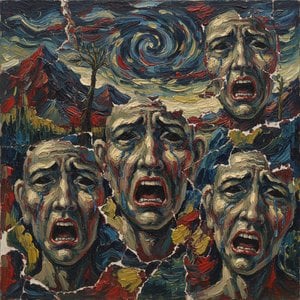
エドヴァルド・ムンク(1863-1944):不安や死をテーマにした表現主義の先駆者。代表作「叫び」は、現代人の心の葛藤を象徴する不朽の名画です。愛、喪失、精神的な苦悩を描いた作品を通して、20世紀美術に大きな影響を与えました。

手描き油彩複製画

当社のアーティストが、お客様のご希望のサイズと額縁に合わせて、キャンバスに手描きで制作する油彩画です。

P118B $10
P118H $10
P118W $10
P438Z $10
P508JH $12
P508YH $12
P805H $10
P805Z $10
P919BZ $10
P919G $10
P919XJ $10
P959ZH $10
P968JZ $12
W106C $8
W218G $10
W218JH $8
W218Y $10
W307PJ $10
W316G $10
W316PJ $8
W316Y $10
W398PJ $8
W4111J $10
W500HY $15
W500JH $15
W692G $12
W849H $8
W940BG $15
W953PJ $8

Standard
custom
CM
INCH

作品のオリジナル比率に合わせた、当店の規定サイズからお選びください。

高さ

特定のフレームやスペースに合わせて、ご希望のサイズをご入力いただけます。選択されたサイズが元の画像の比率と異なる場合、アートワークをトリミングするか、手描きで要素を追加して絵画を拡張いたします。デジタルモックアップ を制作し、制作開始前にご確認(承認)をいただきます。
画面上のプレビューは、実際のトリミングや拡張を正確に反映しているものではありません。最終的な構図は、モックアップによってのみ正確にご確認いただけます。
カスタムサイズもご利用いただけますが、元の比率を維持するためには、あらかじめ用意されたリストからサイズを選択することをお勧めいたします。

カスタマイズの例:顔をお客様の写真に置き換える、ペットを追加する(例:猫を犬に変更)、背景に隠れたメッセージを入れる、背景の風景や要素を変更するなど。
ご注文後、WahooArt.com チームより詳細な指示をお送りするとともに、仕上がりイメージ(モックアップ)をご提供いたします。

世界中への配送()は、通常の5週間ではなく、3〜4週間でお届けいたします。(2 7月)。品質には一切妥協いたしません。

why_choose_icon
世界中へ無料エクスプレス配送
why_choose_icon
高品質なリネンキャンバス
why_choose_icon
配送時完全保険付
why_choose_icon
関税・輸入税の払い戻し保証
why_choose_icon
忠実な色彩再現保証
why_choose_icon
60日間返品保証(製造上の欠陥のみ)
why_choose_icon
100% 全額返金保証
why_choose_icon
まとめ買い割引のご案内

合計金額

-

reproduction

Madonna

複製技法

複製画のサイズ

-

合計金額

-

作品詳細

  • Title: Madonna
  • Subject or theme: Love, sexuality, mortality
  • Medium: Oil paint on canvas
  • Dimensions: 75 x 60 cm
  • Artist: Edvard Munch
  • Notable elements or techniques: Bold colors, distorted forms
  • Location: Munch Museum (Oslo)

アート・クイズ

各質問の正解は1つだけです。

問題 1:
What artistic movement is Edvard Munch primarily associated with?
問題 2:
The painting depicts a woman lying down with her eyes closed. What emotion does this pose convey according to art critics?
問題 3:
What is the dominant color scheme used in Edvard Munch's Madonna?
問題 4:
Where can visitors see more works by Edvard Munch, including 'The Scream'?
問題 5:
What technique is Munch known for employing to convey raw emotions through his art?

作品解説

Madonna (Munch) – A Symphony of Anxiety and Divine Grace

Edvard Munch’s “Madonna” isn't merely a depiction of the Virgin Mary; it’s a profound meditation on femininity, mortality, and the unsettling beauty found within existential dread. Created in 1895 during Munch’s formative years as an Expressionist artist—a movement characterized by prioritizing subjective emotion over objective representation—the painting embodies the core tenets of this artistic philosophy. It stands apart from traditional religious iconography, rejecting idealized serenity for a visceral portrayal of vulnerability and psychological turmoil.
  • Style: Munch’s Madonna exemplifies Expressionism's distinctive aesthetic. Bold colors clash jarringly – crimson dominates against muted blues and yellows—creating an atmosphere of tension and unease. Distortion is paramount; figures are rendered with elongated limbs and flattened planes, mirroring the artist’s internal struggles.
  • Technique: Munch employed tempera on canvas, a medium known for its luminosity and permanence. However, he applied it in a manner that prioritized textural richness and expressive brushstrokes. Thick impasto—heavy layering of paint—emphasizes the physicality of the image and contributes to its unsettling quality.
  • Historical Context: Munch’s artistic output coincided with a period of intense intellectual ferment in Europe. Nietzsche's proclamation of “God is dead” challenged established moral frameworks, fueling anxieties about meaninglessness and fragmentation. Munch wrestled with personal demons—including unresolved trauma from his childhood—and channeled these experiences into his art.

Symbolism – Layers of Meaning Beyond the Surface

The painting’s symbolism operates on multiple levels, inviting viewers to contemplate profound questions about life, death, and spirituality. The central figure is positioned in repose, her eyes closed, suggesting a state of meditative contemplation—yet this serenity is undermined by the pervasive sense of dread conveyed through Munch's masterful use of color and form.
  • The Halo: Unlike conventional depictions of Mary, Munch abandons the golden halo symbolizing divine grace for a crimson hue—a deliberate choice that underscores the painting’s preoccupation with pain and suffering. This jarring contrast highlights the duality inherent in human experience.
  • The Embryo: Positioned at the bottom left corner, the embryonic figure represents both life and death—the promise of regeneration juxtaposed against the inevitability of decay. Munch uses this motif to explore themes of vulnerability and transcendence.
  • Color Palette: The dominant crimson hue is countered by muted blues and yellows, creating a visual dissonance that mirrors the psychological complexity of the scene. Munch’s color choices are not merely decorative; they serve as conduits for emotional expression.
  • Emotional Resonance – A Portrait of Inner Turmoil

    “Madonna” transcends mere representation to become an embodiment of Munch's own anxieties and obsessions. The artist sought to capture not just what he saw but how he *felt*, conveying a sense of profound unease and vulnerability. As Werner Hofmann aptly describes it, “The painting glorifies decadent love,” reflecting Munch’s preoccupation with the darker aspects of human desire.
  • Gestural Language: Munch's expressive brushstrokes—characterized by swirling lines and dynamic textures—communicate a palpable emotional intensity. The artist deliberately eschews conventional artistic conventions to prioritize authenticity and immediacy.
  • Spatial Composition: The flattened perspective contributes to the painting’s claustrophobic atmosphere, emphasizing the figure’s isolation and vulnerability. Munch utilizes spatial relationships to heighten the dramatic impact of his imagery.
  • The Munch Museum – Experiencing Madonna's Genius

    If you wish to delve deeper into Edvard Munch’s artistic vision—and witness “Madonna” alongside other masterpieces—a visit to The Munch Museum in Oslo is indispensable. Located on Bjørvika waterfront, this museum houses a comprehensive collection of Munch’s paintings, prints, and drawings, offering visitors an unparalleled opportunity to engage with his groundbreaking oeuvre. Explore the museum's immersive exhibitions and discover how Munch’s Madonna continues to resonate with audiences worldwide. The Munch Museum (Oslo, Norway) provides a captivating glimpse into Munch’s artistic legacy—a testament to his ability to transform personal trauma into enduring works of art. Consider purchasing a high-quality reproduction to bring the haunting beauty of “Madonna” into your home and appreciate its profound symbolic depth. The Munch Museum (Oslo, Norway), Edvard Munch:Taking Tea (Expressionism), and other works by this renowned artist are also available at WahooArt. Browse our collection today to discover the beauty of Expressionist art!

    アーティストの略歴

    影に包まれた生涯:エドヴァルド・ムンクの世界

    1863年、ノルウェーの厳しい自然の中で生まれたエドヴァルド・ムンクは、その作品を通して近代社会の不安と感情的な苦悩を象徴する芸術家となりました。彼の人生は喪失と憂鬱に深く影を落とされ、それが彼の心に響く表現力豊かな芸術を生み出す源泉となったのです。幼少期から母親と姉を肺結核で亡くした経験は、彼の中に死や病気、そして人間の存在の儚さに対する深い関心を植え付けました。これらの体験は単なる伝記的な事実ではなく、彼の芸術的ビジョンの核心となり、恐怖、悲しみ、憧れといった内面の風景を探求する飽くなき探求を促しました。厳格な宗教観を持つ父親や自身の精神的な苦悩もまた、ムンクの世界に蔓延る不安感を増幅させ、彼の個人的な人生だけでなく、絵画の象徴的な言語にも影響を与えました。彼は単なる情景を描写するのではなく、内面の状態を外部化し、心理的な苦痛を目に見える形で表現したのです。

    表現への胎動:影響と芸術的発展

    ムンクの芸術的旅はクリスティアーニア(オスロ)の王立美術設計学校での正式な訓練から始まりましたが、ニヒリストのハンス・ヤーガーとの出会いが彼の創造的な情熱を真に燃え上がらせました。ヤーガーはムンクに対し、従来の学術的なスタイルを捨て去り、自身の主観的な経験の深淵へと飛び込むことを奨励しました。彼はそれを「魂の絵画」と呼びました。この転換点こそが、ムンク独特のスタイル—生の感情、歪んだ形態、そして自然主義的表現の拒絶によって特徴づけられる—の始まりを告げたのです。1890年代にパリを訪れた彼は、勃興する後期印象派運動の影響を受け、ポール・ゴーギャン、フィンセント・ファン・ゴッホ、アンリ・ド・トゥールーズ=ロートレックといった芸術家たちの影響を吸収しました。彼らの大胆な色彩の使用法、表現力豊かな筆致は、ムンク自身の芸術的傾向と深く共鳴し、最も深遠で不安を煽る人間の感情を伝えることができる視覚言語へと統合されていったのです。ベルリンでの活動もまた重要であり、劇作家のアルベルト・シュヴァイツァーとの出会いは、心理的なテーマを探求するムンクの芸術的探求をさらに加速させました。

    象徴的なビジョン:主要作品とその象徴的な重み

    ムンクの作品群には、集団意識に深く刻み込まれたイメージが数多く存在します。おそらく彼の最も象徴的な作品である『叫び』は、絵画を超えて、現代人の実存的な不安を象徴する普遍的なシンボルとなっています。渦巻くような炎のような風景と、歪んだ表情の人物は、宇宙の無関心に対する原始的な叫びを体現しています。マドンナは、性、母性、そして死といったテーマを探求する、物議を醸し、深く個人的な作品です。彼の姉ソフィーの死に捧げられた『病気の子供』のようなモチーフは、ムンクの幼少期のトラウマと、常に存在する死の影に対する痛ましいリマインダーとして機能します。『憂鬱I & II』は、深い悲しみと孤立を描いた力強い作品であり、私たち自身の最も奥底にある部分に語りかける普遍的な共感を呼び起こします。これらの作品は単なる外部現実の描写ではなく、芸術家の魂への窓であり、人間の精神世界の暗い隅々を垣間見せてくれるのです。ムンクは美しいイメージを作り出すことを目指したのではなく、真実を伝えようとした—たとえそれが痛みを伴い、不安を煽るものであっても。

    永続的な遺産:歴史的意義と持続的な影響

    エドヴァルド・ムンクの芸術への貢献は計り知れません。彼は表現主義の発展における重要な人物であり、客観的な描写よりも主観的な感情を優先するアーティストたちの道を切り開きました。愛、喪失、不安、死といった普遍的な人間の経験を探求し続ける彼の作品は、今日でも聴衆に共鳴し続け、彼を芸術史上の最も影響力のある持続的な人物の一人として確固たる地位を確立しています。彼の仕事はドイツ表現主義をはじめとする後世の多くの芸術運動に深く影響を与えました。彼は慣習的な美の概念や芸術的表現に挑戦しながら、人間の状態のより暗い側面と向き合う勇気を持っていました。名声と評価—オスロのムンク美術館の設立という形で頂点に達した—を獲得した後も、彼の個人的な人生は不安定であり、精神的な不安定さと孤立の時期を経験しました。しかしそれにもかかわらず、彼は制作を続け、今なお私たちを挑発し、挑戦し、そして鼓舞する作品群を残しました。ムンクの遺産は単に絵画そのものにあるのではなく、人間の存在の複雑さを直視し、それを私たちの存在の最も深い部分に語りかける芸術へと翻訳する勇気にあるのです。

    ムンク

    ムンク

    1863 - 1944 , スウェーデン

    基本情報

    • フルネーム: エドヴァルド・ムンク
    • 主な作品:
      • 叫び
      • マドンナ
      • 病気の子供
      • 憂鬱I & II
    • 出生地: アドゥルズブルク、スウェーデン
    • 国籍: ノルウェー
    • 影響を与えた芸術家または運動: ['ドイツ表現主義']
    • 影響を受けたアーティスト:
      • ポール・ゴーギャン
      • フィンセント・ファン・ゴッホ
      • トゥールーズ=ロートレック
    • 死亡年月日: 1944年1月23日
    • 生年月日: 1863年12月12日
    • 芸術運動またはスタイル: 表現主義
    テーマ、スタイル、特徴別に分類された作品を探索しましょう。