
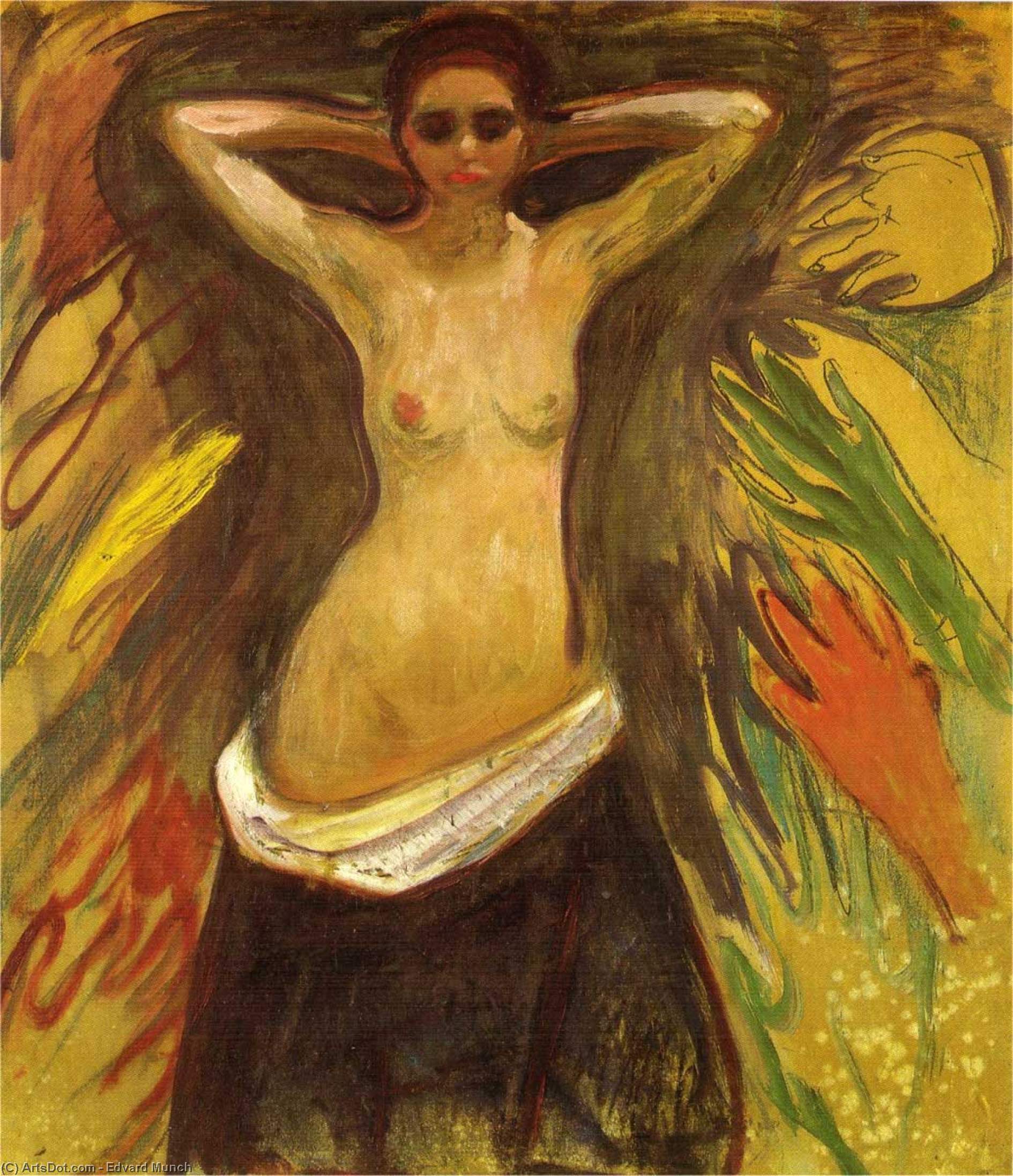
Hands by Edvard Munch: A Portrait of Anxiety
Edvard Munch, a titan of modern art, remains eternally etched in the collective consciousness as the creator of “The Scream,” an image synonymous with existential dread and psychological torment. Yet, beyond this iconic masterpiece lies another compelling work – “Hands,” painted in 1893, which offers a nuanced glimpse into Munch’s artistic vision and delves deeper into themes of vulnerability and emotional turmoil.
This haunting depiction portrays a woman clutching her head with both hands, an arresting composition that immediately draws the viewer into a realm of palpable anxiety. Painted during Munch's formative years as an Expressionist artist, “Hands” exemplifies the movement’s core tenets: prioritizing subjective experience and conveying inner emotional states above objective representation.
Expressionism and Its Manifestation
- Style: Expressionism rejects academic conventions, favoring bold brushstrokes and vibrant colors to amplify emotion rather than accurately depict reality. Munch's technique is characterized by loose, swirling lines that capture the dynamism of feeling—a deliberate departure from traditional artistic approaches.
- Color Palette: The painting utilizes a dominant palette of reds and yellows, creating an atmosphere of warmth juxtaposed with underlying tension. These colors aren’t merely decorative; they serve as conduits for conveying psychological intensity, mirroring Munch's preoccupation with fear and despair.
- Composition: The woman’s figure occupies the majority of the canvas, emphasizing her isolation and vulnerability. The tree in the background provides a visual anchor but also symbolizes resilience amidst suffering—a subtle interplay of contrasting elements that contributes to the artwork’s overall impact.
Symbolism Beyond Appearance
“Hands” transcends its surface depiction; it operates on multiple symbolic levels. The woman's gesture – clutching her head – is interpreted as representing profound distress, mirroring Munch’s own battles with mental illness and his personal experiences of trauma. It speaks to the universal human condition—the struggle against overwhelming emotion and the yearning for solace.
Furthermore, the painting resonates with broader artistic traditions concerned with capturing light and shadow to heighten dramatic effect – a technique known as chiaroscuro – which Munch skillfully employs to intensify the emotional resonance of the scene. The artwork’s enduring power lies in its ability to provoke contemplation on themes of anxiety, vulnerability, and the complexities of human emotion.
Legacy and Relevance Today
"Hands" stands as a testament to Munch's pioneering role in shaping Expressionism and influencing subsequent generations of artists. Its unflinching portrayal of psychological anguish continues to captivate audiences today, reminding us of the enduring relevance of art’s capacity to explore the darkest recesses of human experience.
Q&A
「Hands」のPortrait形式は、どのような場所に飾るのがおすすめですか?
ムンク作「Hands」の作品に関する設置情報は、フォーマット(Portrait)と推奨される設置場所(Living Room)の2点です。
ムンク作「Hands」が醸し出す感情的なトーンはどのようなものでしょうか?
「Hands」は、Melancholicな情緒を湛えています。この情緒的なトーンは、作品が与える印象を表しています。
「Hands」全体の明るさはどの程度ですか?
全体として、「Hands」の明るさはbalancedと記録されています。知覚的な明るさとは、作品がどの程度明るく、あるいは暗く感じられるかを表すものです。




































