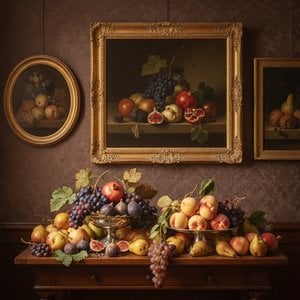
エドゥアール・マネ作、Peaches ( (1882))、熟練の絵師による手描きの油彩画複製画
設置イメージを表示 ARで試着 プリント版に切り替え デジタル画像販売へ切り替え シェアする
詳細を見る ガイドを表示 お気に入りに追加 ダウンロード 似ている作品 X線調査 スライドショーを表示 Q&A PowerPointをダウンロード 統計情報

Peaches 手描きの油彩画複製画

Edouard Manet's 'Peaches' is a stunning Impressionist still life capturing everyday beauty with loose brushstrokes and a vibrant blue sky backdrop. Explore its influence & Manet’s legacy!

マネは『オランピア』を通じて写実主義と印象派を繋ぎました。パリの巨匠が放つ革命的な傑作をご覧ください。

手描き油彩複製画

当社のアーティストが、ご希望のサイズと額縁に合わせてキャンバスに手描きで制作する、オーダーメイドの油彩画です。 ( プリント版に切り替え デジタル画像販売へ切り替え)

Corner sample of the P118B picture frame: 成型ポリスチレン, 5 cm wide and 3 cm thick
P118B ¥10
Corner sample of the P118H picture frame: 成型ポリスチレン, 5 cm wide and 3 cm thick
P118H ¥10
Corner sample of the P118W picture frame: 成型ポリスチレン, 5 cm wide and 3 cm thick
P118W ¥10
Corner sample of the P438Z picture frame: 成型ポリスチレン, 5.5 cm wide and 3.5 cm thick
P438Z ¥10
Corner sample of the P508JH picture frame: 成型ポリスチレン, 7 cm wide and 3.5 cm thick
P508JH ¥12
Corner sample of the P508YH picture frame: 成型ポリスチレン, 7 cm wide and 3.5 cm thick
P508YH ¥12
Corner sample of the P805H picture frame: 成型ポリスチレン, 5 cm wide and 3.5 cm thick
P805H ¥10
Corner sample of the P805Z picture frame: 成型ポリスチレン, 5 cm wide and 3.5 cm thick
P805Z ¥10
Corner sample of the P919BZ picture frame: 成型ポリスチレン, 7 cm wide and 3.5 cm thick
P919BZ ¥10
Corner sample of the P919G picture frame: 成型ポリスチレン, 7 cm wide and 3.5 cm thick
P919G ¥10
Corner sample of the P919XJ picture frame: 成型ポリスチレン, 7 cm wide and 3.5 cm thick
P919XJ ¥10
Corner sample of the P959ZH picture frame: 成型ポリスチレン, 5 cm wide and 3 cm thick
P959ZH ¥10
Corner sample of the P968JZ picture frame: 成型ポリスチレン, 6 cm wide and 4 cm thick
P968JZ ¥12
Corner sample of the W106C picture frame: 無垢材, 5 cm wide and 3 cm thick
W106C ¥8
Corner sample of the W218G picture frame: 無垢材, 5 cm wide and 3 cm thick
W218G ¥10
Corner sample of the W218JH picture frame: 無垢材, 5 cm wide and 3 cm thick
W218JH ¥8
Corner sample of the W218Y picture frame: 無垢材, 5 cm wide and 3 cm thick
W218Y ¥10
Corner sample of the W307PJ picture frame: 無垢材, 6 cm wide and 3 cm thick
W307PJ ¥10
Corner sample of the W316G picture frame: 無垢材, 6 cm wide and 3 cm thick
W316G ¥10
Corner sample of the W316PJ picture frame: 無垢材, 6 cm wide and 3 cm thick
W316PJ ¥8
Corner sample of the W316Y picture frame: 無垢材, 6 cm wide and 3 cm thick
W316Y ¥10
Corner sample of the W398PJ picture frame: 無垢材, 5 cm wide and 3 cm thick
W398PJ ¥8
Corner sample of the W4111J picture frame: 無垢材, 6.5 cm wide and 3.5 cm thick
W4111J ¥10
Corner sample of the W500HY picture frame: 無垢材, 7 cm wide and 5 cm thick
W500HY ¥15
Corner sample of the W500JH picture frame: 無垢材, 7 cm wide and 5 cm thick
W500JH ¥15
Corner sample of the W692G picture frame: 無垢材, 8 cm wide and 4 cm thick
W692G ¥12
Corner sample of the W849H picture frame: 無垢材, 5 cm wide and 3 cm thick
W849H ¥8
Corner sample of the W940BG picture frame: 無垢材, 7.5 cm wide and 4.5 cm thick
W940BG ¥15
Corner sample of the W953PJ picture frame: 無垢材, 6 cm wide and 3.5 cm thick
W953PJ ¥8

標準サイズ
オーダーメイド
CM
INCH

作品のオリジナル比率に合わせた、当店の規定サイズからお選びください。

横幅
高さ

フレームや壁のスペースに合わせて、ご希望の幅と高さを入力してください。本作品は手描きのため、異なる比率のサイズをご希望の場合、絵画の周囲を少し広げて描くか、あるいは端を少しカットして調整することが可能です。お客様のご要望に合わせます。制作を開始する前に、仕上がりを確認するためのデジタルモックアップをお送りいたします。このページに表示されている画像は完成品の実物ではなく、あくまでモックアップによるイメージです。

カスタマイズの例:顔をお客様の写真に置き換える、ペットを追加する(例:猫を犬に変更)、背景に隠れたメッセージを入れる、背景の風景や要素を変更するなど。
ご注文後、WahooArt.com チームより詳細な指示をお送りするとともに、仕上がりイメージ(モックアップ)をご提供いたします。

世界中への配送()は、通常の5週間ではなく、3〜4週間でお届けいたします。(10 11月)。品質には一切妥協いたしません。

世界中へ無料エクスプレス配送
高品質なリネンキャンバス
配送時完全保険付
関税・輸入税の払い戻し保証
真の色彩再現に関する保証
100日間返品保証(製造上の欠陥がある場合のみ)
100% 全額返金保証
まとめ買い割引のご案内

合計金額

¥ 43039

Peaches

再現技法

複製画サイズ一覧

-

合計金額

¥ 43039

作品詳細

  • Influences:
    • Velázquez
    • Monet
  • Title: Peaches
  • Year: 1882
  • Location: Private Collection
  • Artist: Edouard Manet

Peaches by Édouard Manet: A Study in Light, Simplicity, and Modern Life

Édouard Manet’s “Peaches,” painted in 1882, is more than just a still life; it's a carefully constructed meditation on light, color, and the burgeoning modern world. This deceptively simple work, housed within the National Gallery of Art in Washington D.C., reveals the artist’s innovative approach to painting – one that deliberately moved away from the rigid conventions of academic art and toward a more direct, observational style. The scene is remarkably straightforward: three ripe peaches rest on a dark wooden table, bathed in the soft glow of an unseen light source, against a backdrop of a serene blue sky. Yet, within this apparent simplicity lies a wealth of artistic intention and a subtle commentary on beauty, perception, and the fleeting nature of existence. Manet’s style at this period is characterized by a deliberate rejection of traditional techniques. He eschewed the meticulous blending of tones favored by his predecessors, opting instead for loose, visible brushstrokes that capture the essence of light and color rather than attempting to perfectly replicate reality. Notice how he doesn't attempt to render the peaches with photographic precision; instead, he uses short, broken strokes to suggest their form and texture, creating a sense of vibrancy and immediacy. The background sky is similarly treated – not as a detailed representation but as an atmospheric element that subtly enhances the overall composition. This approach aligns perfectly with the core tenets of Impressionism, a movement Manet significantly influenced, alongside artists like Claude Monet and Frédéric Bazille. His work was deeply rooted in the influence of Old Masters, particularly Diego Velázquez, whose mastery of light and shadow, and ability to capture the essence of his subjects, served as a crucial inspiration for Manet’s own artistic development. The painting's composition is remarkably balanced, drawing the eye directly to the peaches themselves. The arrangement – one peach slightly to the left, another in the center, and the final one to the right – creates a sense of visual rhythm and harmony. The dark table provides a strong contrast to the bright colors of the fruit, further emphasizing their luminosity. Manet’s use of color is particularly noteworthy. He employs a palette of warm yellows, oranges, and reds to depict the peaches, capturing their lusciousness and ripeness with remarkable accuracy. The blue sky serves as a cool counterpoint, adding depth and dimension to the scene. It's important to note that Manet was experimenting with new ways of representing color, moving away from the traditional use of mixed pigments and toward a technique known as “optical mixing,” where colors are perceived by the eye rather than physically blended on the canvas. Manet’s still life paintings were often imbued with deeper meanings, frequently exploring themes of mortality and the passage of time. The peaches themselves can be interpreted as symbols of beauty, abundance, and ultimately, decay. Their vibrant color and luscious form represent a fleeting moment of perfection, destined to fade and wither. This awareness of transience is a recurring motif in Manet’s work, reflecting his own contemplation on the ephemeral nature of life. Furthermore, the painting's placement within the broader context of Manet’s artistic career reveals its significance as a pivotal step toward modern art. His bold experimentation with form, color, and subject matter paved the way for future generations of artists to challenge traditional conventions and explore new ways of representing the world around them.

Key Characteristics & Influences

  • Impressionist Style: Manet’s technique embodies the core principles of Impressionism – a focus on capturing fleeting moments, emphasizing light and color, and using visible brushstrokes to create an impressionistic effect.
  • Velázquez's Legacy: Like Velázquez, Manet was deeply influenced by the Spanish master’s ability to capture the essence of his subjects through careful observation and masterful use of light.
  • Modern Subject Matter: Unlike many artists of his time who focused on historical or mythological scenes, Manet chose to depict everyday objects – in this case, simple fruit – elevating them to the level of fine art.

Further Exploration & Related Works

Manet’s “Peaches” is part of a larger body of still life paintings that he created during this period, alongside works such as "Still Life with Melon and Peaches" (National Gallery of Art) and "Almonds, currants and peaches." These paintings demonstrate Manet's consistent interest in exploring the beauty of ordinary objects and his innovative approach to capturing their essence on canvas. For a deeper understanding of Manet’s life and work, we recommend visiting WahooArt.com for detailed information and reproductions, as well as Wikipedia for biographical details and critical analyses. You can also explore Paul Cézanne's still lifes featuring fruit, such as "Peaches, Pears and Grapes," available on WahooArt.com, to gain further insight into the evolution of this genre.

Bringing Manet’s “Peaches” Home

WahooArt offers meticulously crafted, hand-painted reproductions of Édouard Manet's "Peaches," allowing you to experience the beauty and artistry of this iconic painting in your own home. Our skilled artists faithfully recreate Manet’s unique style and technique, ensuring that your reproduction captures the essence of the original while retaining a sense of contemporary appeal. Choose from a range of sizes and framing options to perfectly complement your décor. Explore our collection today and bring a touch of Impressionist brilliance into your space.

Q&A

エドゥアール・マネ作「Peaches」において、感情と贈り物のシーンはどのように結びついているのでしょうか?

Reflectiveな情緒を湛えた「エドゥアール・マネ作「Peaches」」は、Birthdayへの贈り物としておすすめです。

エドゥアール・マネ作「Peaches」 の全体を貫く基調となる色は何ですか?

エドゥアール・マネ作「Peaches」の主要な色調はGreen to Violet Spectrumです。この色調が、パレット全体の基調となるトーンを形作っています。

エドゥアール・マネ作「Peaches」は、明るい印象の作品ですか、それとも暗い印象の作品ですか?

エドゥアール・マネ作「Peaches」の視覚的な明るさはbalancedです。設置する空間の光の加減に合わせて調整することが可能です。


作家プロフィール

生い立ち、家族、そして修行時代

エドゥアール・マネは、1832年1月23日にパリに生を受けました。フランス司法省で要職に就いていた父を持つ、裕福な家庭の長男として育った彼の人生は、当初、海軍か法曹界という、社会的に安定した道が約束されているかのように見えました。少年時代、彼は父の期待に応えようと、海軍士官学校の入試に二度も挑みますが、その結果は不合格。しかし、この挫折こそが、彼の情熱をアトリエへと向かわせる決定的な転換点となりました。彼は自らの芸術への決意を証明するために、描き上げた作品を父の前に差し出し、ようやく正式に美術の道を歩むための許しを勝ち取ったのです。

1850年から1856年にかけて、彼はトマ・クルールの画塾で研鑽を積みました。そこでアカデミックな絵画の技術的基礎を学ぶ一方で、彼の視線は常にルーブル美術館へと向けられていました。彼は多くの時間を美術館のギャラリーで過ごし、巨匠たちのキャンバスの前に立ち、その技法を模写しては吸収していきました。光と形がどのように描かれているのかを深く探求し、過去の教えを血肉としながら、同時に自分自身の表現を見出すための準備を進めていたのです。この濃密な学習期間こそが、後に彼が伝統を打ち破り、独自の芸術へと飛躍するための強固な技術的土台となりました。

技法と芸術的スタイル

キャンバスの表面には、当時のサロンが求めた、筆跡を一切感じさせない滑らかで完璧な仕上げに対する、意図的な拒絶が刻まれています。筆の跡を塗りつぶして消し去るのではなく、そこには「ファクチュール」と呼ばれる、力強くエネルギッシュな絵具の塗布が鮮明に残されています。このアプローチは、絵具そのものが持つ物質的なリアリティを最優先させるものです。また、アッラ・プリマ(ウェット・オン・ウェット)と呼ばれる、絵具が乾かないうちに次々と色を重ねていく技法を用いることで、伝統的なアカデミックな手法のような、時間をかけて層を積み重ねる重厚なプロセスを避け、その瞬間の生々しい質感を捉えることに成功しています。この手法によって、光や大気の移ろいが、ある種の即興性を伴って描き出されるのです。

また、形態の構築において、独特の平面性が感じられる点も大きな特徴です。筆使いは非常に軽やかで、深い立体感を生み出すための重厚なモデリング(陰影による造形)をあえて避けています。その結果、画面内の空間はしばしば圧縮されたような感覚を鑑賞者に与えます。この効果をさらに強調するのが、強烈なコントラストを持つ色調の使用です。形を定義するために緩やかなグラデーションに頼るのではなく、明暗の劇的な変化を用いることで、都市の断片化された現代的な光を表現しています。数学的な遠近法や継ぎ目のない調和を拒絶したこのスタイルは、まるでイメージが目の前で直接組み立てられていくかのような、圧倒的な臨場感を生み出しているのです。

現代的な主題が巻き起こしたスキャンダル

1860年代半ば、エドゥアール・マネは世間の注目を浴び、相次ぐ論争の渦中に身を置くことになります。1863年に開催された「落選展(Salon des Refusés)」は、公式の審査員によって拒絶された作品たちに、表現の舞台を与えました。その中でも、瞬く間に大きな騒動を巻き起こしたのが草上の昼食でした。この作品は、裸婦を描く際に用いられる伝統的な神話や聖書の物語といった「言い訳」を一切排除していました。代わりに、ピクニックを楽しむ場に、着衣した二人の男性と一人の裸婦を並べて配置したのです。歴史的、あるいは神聖な文脈を拒絶したその大胆さは、鑑賞者を、加工されていない「現代の生」という剥き出しの現実へと突き放しました。

この緊張感は、1865年のオランピアの展示によって、さらに激しいものとなります。この作品は、当時のサロンにおいて最も衝撃的な一作と見なされました。マネはティツィアーノのウルビーノのヴィーナスの構図を借りながらも、そこから神話という保護膜を剥ぎ取り、女神の代わりに現代の娼婦を据え置いたのです。彼女は視線を逸らすことも、賞賛を誘うような仕草を見せることもありません。むしろ、多くの人々を不安にさせるほどの、真っ直ぐで挑戦的な眼差しで鑑賞者を見つめ返しました。批評家たちは、この理想化を排した表現と、主題のあまりにも露骨なリアリズムに対して、激しい怒りを向けたのです。

主題の選択だけでなく、絵具の扱われ方そのものも、激しい批判の対象となりました。多くの観衆は、荒々しく、エネルギーに満ちた筆致や、滑らかで継ぎ目のない仕上げの欠如を攻撃しました。彼らはそこに遠近法の誤りを見出し、伝統的な礼節のルールに背いていると断じました。しかし、ある者が「未熟さ」と呼んだものは、別の者にとっては、夢の世界への窓ではなく、キャンバスの上にある絵具の現実をありのままに見せようとする、意図的な選択として受け入れられていたのです。

主要な作品と傑作の数々

1861年、エドゥアール・マネは『スペインの歌手』を世に送り出し、サロンにおいて栄誉ある賞を受賞しました。この作品にはアンダルシアの衣装を纏ったモデルが描かれていますが、興味深いことに、ギターの弦は右利き用に張られているにもかかわらず、左利きがコードを押さえているかのような仕草で描かれています。この小さくも意図的な違和感は、モデルの足元に置かれた、ステレオタイプなスペイン風の静物画とともに、画面に独特の緊張感を与えています。

彼の筆致は、しばしば「今、この瞬間」の生々しさや、政治的な主題へと向かいました。1867年には、『メキシコ皇帝マクシミリアンの処刑』という重厚な作品を遺しています。その後、1870年代後半に自身の健康が衰え始めると、その関心はより小規模で、親密な主題へと移り変わっていきました。1882年には、現代的なカフェの喧騒と、そこに漂う心理的な曖昧さを見事に捉えた傑作『フォリー・ベルジェールのバー』を完成させています。そして人生の終焉が近づいた1883年頃には、『テーブルクロスに置かれた二輪の薔薇』のような、静謐な静物画へとその眼差しを向けていました。


『スペインの歌手』 (1861年)
『メキシコ皇帝マクシミリアンの処刑』 (1867年)
『フォリー・ベルジェールのバー』 (1882年)
『テーブルクロスに置かれた二輪の薔薇』 (1883年頃)

交流、ライバル、そして影響

エドゥアール・マネの筆致には、彼がルーブル美術館で深く研究した巨匠たちの重みが宿っています。彼は、自らの表現を切り拓く道筋を求めて、カラヴァッジョの劇的な光や、ベラスケスの流麗で深みのある色調に目を向けました。また、ゴヤからは、アカデミックな洗練された仕上げをあえて排した、ある種の直截的な表現を受け継いでいます。これらは単なる習作の域を超え、サロンが抱く既成概念を打ち砕くための武器となりました。彼は、色彩を緩やかに調和させることよりも、単一の力強い色彩が放つ存在感を重んじたのです。

パリのカフェや知的な社交界において、彼は後に時代を再定義することになる先駆者たちと共に歩んでいました。クロード・モネやエドガー・ドガといった、絵画の境界線を押し広げようとしていた画家たちと、空間や思想を共有していたのです。彼の私生活もまた、アヴァンギャルドの潮流と深く結びついていました。彼の義理の妹は、芸術家であるベルト・モリゾでした。彼はしばしば公的な美術機関の承認を求めながらも、その真の同志たちは、確立されたアカデミーの影で活動する革新者たちの中にいたのです。

また、彼の物議を醸すキャンバスの中に未来を見出したある作家は、彼にとって初期の、そして熱烈な擁護者となりました。この支持者が彼の作品を称賛する論考を発表したことで、変容しゆく芸術界における彼の地位が形作られていくことになります。たとえ大衆が彼の描く現代的な主題に対して敵意を向けたとしても、この支持は、彼のスタイルを「未完成」とし、主題を「不適切」と断じた批評家たちに対する、不可欠な対抗軸となりました。エドゥアール・マネは、アカデミーという旧世界の秩序と、街角に溢れる新しくも落ち着きのないエネルギーとの狭間に立ち続ける、稀有な存在だったのです。

エドゥアール・マネ

エドゥアール・マネ

1832 - 1883 , フランス

プロフィール概要

  • Artistic Movement Or Style: 写実主義、印象派、アヴァンギャルド
  • Artists Or Movements Influenced By This Artist:
    • 印象派
    • アヴァンギャルド
    • クロード・モネ
    • ベルト・モリゾ
    • エドガー・ドガ
    • ゴーギャン
  • Artists Who Influenced This Artist:
    • カラヴァッジョ
    • ディエゴ・ベラスケス
    • フランシスコ・ゴヤ
    • ティツィアーノ
    • ラファエロ
    • フランス・ハルス
    • ピーテル・パウル・ルーベンス
  • Date Of Birth: 1832年
  • Date Of Death: 1883年
  • Full Name: エドゥアール・マネ
  • Nationality: フランス
  • Notable Artworks:
    • 草上の昼食
    • オランピア
    • フォリー・ベルジェールのバー
  • Place Of Birth: フランス、パリ
テーマ、スタイル、特徴別に分類された作品を探索しましょう。