
迅速な制作と多彩な仕上げオプションを備えた、ミュージアムクオリティのジークレーまたはキャンバスプリント。 ( 手描きの絵画を購入 デジタル画像販売へ切り替え)





























作品のオリジナル比率に合わせた、当店の規定サイズからお選びください。

特定のフレームやスペースに合わせて、ご自身でサイズを指定することも可能です。選択されたサイズが元の画像の比率と一致しない場合、作品をトリミングするか、鏡面反射または単色での塗りつぶしによって画像を拡張いたします。制作を開始する前に、ご確認用のデジタルモックアップをお送りいたします。
画面上のプレビューには、実際のトリミングや拡張は反映されませんのでご注意ください。最終的な構図を正確に確認できるのは、モックアップのみとなります。
カスタムサイズも承っておりますが、元の比率を維持するためには、あらかじめ用意されたリストからサイズを選択することをお勧めいたします。

Bull-fighting scene
複製画のサイズ
To step into Édouard Manet’s “Bullfighting Scene” is to be thrust immediately into the heart of a sun-drenched, dust-filled arena where the air vibrates with tension and adrenaline. Completed in 1866, this masterpiece does not merely observe a tradition; it immerses the viewer in the very breath of the spectacle. The canvas captures a moment of profound intensity, focusing on the visceral struggle between man and beast. As a man attempts to tame the powerful bull using a lasso, the scene unfolds with a cinematic quality that feels both spontaneous and eternal. There is a palpable sense of movement—the frantic pace of horses, the scattered figures navigating the periphery, and the concentrated focus of the participants—all working in harmony to recreate the sensory overload of the bullring.
For the discerning collector or interior designer, this painting offers more than just a subject; it offers an atmosphere. It is a work that commands attention through its ability to evoke the heat of the Spanish sun and the grit of the earth. The composition is masterfully balanced, guiding the eye from the central conflict toward the surrounding onlookers, creating a sense of depth that makes the arena feel vast yet intimate. It is a piece designed for spaces that crave a focal point of high drama and historical weight.
Manet was a pioneer who famously rejected the polished, almost photographic perfection demanded by the academic elite of his time. In “Bullfighting Scene,” we see the early tremors of Impressionism manifesting through his revolutionary technique. Rather than relying on meticulous, invisible brushstrokes, Manet employs a more liberated approach, utilizing loose, energetic strokes that prioritize the sensation of light and motion over rigid anatomical precision. This method allows the sunlight filtering through the arena roof to dance across the canvas, creating highlights that feel as fleeting as a real moment in time.
The artist’s palette is a sophisticated study in contrast. He utilizes a grounded, earthy foundation of browns, ochres, and deep reds—colors that evoke the dust and blood of the arena—but punctuates this muted base with sudden, brilliant flashes of yellow. These highlights, particularly on the bull's horns, act as visual sparks that ignite the composition. Furthermore, his use of impasto—the thick, sculptural application of paint—adds a physical dimension to the work. When viewed in person or through a high-quality reproduction, this texture provides a tactile richness, catching the light and adding a layer of physical presence that flat, academic paintings simply cannot achieve.
Beyond its visual splendor, “Bullfighting Scene” serves as a profound historical document of an era in transition. Emerging during a period of significant artistic upheaval in France, the painting stands as a challenge to the established École des Beaux-Arts. Manet was not interested in the idealized, mythological fantasies favored by his contemporaries; he sought the truth of modern life, even when that truth was violent or unvarnished. By choosing a subject rooted in the raw reality of the bullfight, he bridged the gap between the gritty Realism of Courbet and the light-drenched Impressionism that would soon follow.
The symbolism within the work delves into deeper themes of masculinity, the struggle for dominance, and the complex nature of being a spectator to violence. It invites the viewer to contemplate their own role in the spectacle—are we merely observers, or are we part of the energy itself? For those looking to adorn a home or gallery with art that possesses both intellectual depth and aesthetic power, this Manet reproduction offers an unparalleled opportunity. It is a piece that speaks of courage, the beauty of the ephemeral, and the enduring power of the rebellious spirit.


1832 - 1883 , フランス

Journey through the light and color of the Impressionist landscape movement. Explore 10 iconic masterpieces by legends like Monet, uncovering the stories behind these timeless works. Find museum-quality art reproductions for your decor at WahooArt.com. Discover all masterpieces online.

Journey through the light and color of the Impressionist movement. Explore 10 legendary landscapes by masters like Monet that redefined art history. Find inspiration for your space with museum-quality reproductions. Discover all masterpieces on WahooArt.com.

Immerse yourself in the luminous world of Pierre-Auguste Renoir. Explore 25 iconic Impressionist masterpieces, from vibrant landscapes to soulful portraits. Find inspiration and museum-quality art reproductions for your home. Discover all masterpieces on WahooArt.com.
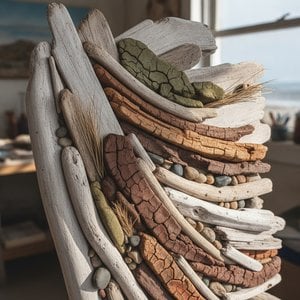
Immerse yourself in the serene beauty of earthy driftwood tones. Explore 10 iconic masterpieces, from classical landscapes to muted modernism, and find inspiration for your decor with museum-quality reproductions. Discover all masterpieces on WahooArt.com.


 プレビュー
プレビュー
 シェアする
シェアする シェアする
シェアする
 詳細を見る
詳細を見る

 ダウンロード
 似ている作品
 X線調査
X線調査 スライドショー
 統計情報
統計情報

 詳細を見る
詳細を見る









 ガラスオプションは、110cm未満のサイズでのみご利用いただけます。


