
迅速な制作と多彩な仕上げオプションを備えた、ミュージアムクオリティのジークレーまたはキャンバスプリント。 ( 手描きの絵画を購入 デジタル画像販売へ切り替え)
作品のオリジナル比率に合わせた、当店の規定サイズからお選びください。

特定のフレームやスペースに合わせて、ご自身でサイズを指定することも可能です。選択されたサイズが元の画像の比率と一致しない場合、作品をトリミングするか、鏡面反射または単色での塗りつぶしによって画像を拡張いたします。制作を開始する前に、ご確認用のデジタルモックアップをお送りいたします。
画面上のプレビューには、実際のトリミングや拡張は反映されませんのでご注意ください。最終的な構図を正確に確認できるのは、モックアップのみとなります。
カスタムサイズも承っておりますが、元の比率を維持するためには、あらかじめ用意されたリストからサイズを選択することをお勧めいたします。

Hiawatha
複製画のサイズ
Edmonia Lewis’s “Hiawatha and Minnehaha,” sculpted in exquisite marble around 1868, is more than just a depiction of two figures from Henry Wadsworth Longfellow's celebrated poem; it’s a poignant meditation on identity, cultural heritage, and the enduring power of love amidst profound loss. The sculpture captures a fleeting, almost unbearably tender moment – a silent exchange between the Ojibwe warrior Hiawatha and his Dakota bride, Minnehaha – frozen in time within the cool embrace of a Roman studio. It’s a work that speaks volumes about Lewis's pioneering role as an African American and Native American artist navigating a world largely resistant to her presence and vision.
Lewis, working primarily in Rome during the latter half of the 19th century, honed a neoclassical style deeply influenced by ancient Greek and Roman sculpture. Yet, she wasn’t simply replicating classical forms; instead, she imbued them with her own unique sensibility and a profound understanding of her dual heritage. The bust's composition is remarkably balanced, showcasing a masterful command of form and proportion. Note the subtly curving lines of Hiawatha’s face – the slightly furrowed brow suggesting contemplation, the gentle curve of his lips hinting at a restrained emotion. Minnehaha’s profile, serene and dignified, mirrors this elegance, her gaze directed towards him with an unspoken longing. The sculpture's scale is intimate, inviting close examination and fostering a sense of connection with these figures.
Lewis’s decision to depict Hiawatha and Minnehaha was deeply personal, fueled by her admiration for Longfellow’s poem. However, the sculpture transcends mere illustration; it draws upon a rich tapestry of Native American oral traditions surrounding the figure of Manabozho (Hiawatha). The story itself – a tale of peacemaking, betrayal, and ultimately, enduring love – resonates with themes of reconciliation and cultural exchange. The inclusion of details like the feather adorning Hiawatha’s head isn't merely decorative; it’s a symbolic reference to leadership and spiritual connection within Ojibwe culture. The drapery, rendered with meticulous detail, suggests both formality and vulnerability, reflecting the complexities of their relationship.
The sculpture’s emotional core lies in its portrayal of grief and remembrance. Minnehaha's posture—a quiet stillness, a subtle downward turn of her head—evokes a profound sadness, hinting at the tragic circumstances surrounding her death. The setting – a simple pedestal beneath a Roman sky – underscores the distance between these figures and their homeland, highlighting the displacement experienced by many Native Americans during this period. Yet, despite the palpable sorrow, there’s also an undercurrent of hope. Hiawatha's gaze is fixed on Minnehaha with unwavering devotion, suggesting that love can transcend even death. The sculpture becomes a testament to resilience—a celebration of cultural identity in the face of adversity.
“Hiawatha and Minnehaha” stands as a landmark achievement in American art history, marking a significant step forward for Edmonia Lewis. It’s a powerful example of her ability to blend classical technique with deeply personal themes, creating works that are both aesthetically beautiful and profoundly meaningful. Today, the sculpture continues to resonate with viewers, prompting reflection on issues of identity, cultural heritage, and the enduring power of human connection. Reproductions offer an accessible way to experience this remarkable work of art, bringing its poignant beauty into homes and galleries worldwide.


1844 - 1907 , アメリカ合衆国

Journey through art history with 10 legendary bronze sculptures – from Michelangelo's David to Rodin’s Thinker. Explore the stories, techniques & timeless beauty of these masterpieces. Find museum-quality reproductions & elevate your home decor on WahooArt.com.

Explore the rich history of sculpture from ancient masterpieces to contemporary innovations. Discover key techniques, influential artists & investment potential for discerning art collectors.

Explore the captivating portraits of James Otto Lewis, a pivotal figure bridging 19th-century realism & American Modernism. Discover his groundbreaking work documenting Native American culture and regional identity.
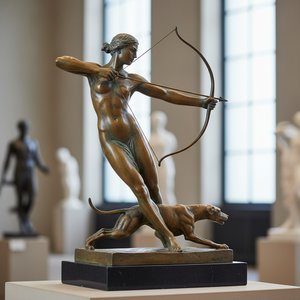
Explore the captivating world of Paul Manship, a leading figure in American Art Deco sculpture. Discover his iconic works like Prometheus, influence on modernism, and investment potential. Expert insights for collectors.

Journey through art history with our Top 10 bronze sculptures! Explore masterpieces by Rodin, Michelangelo & more. Discover stories behind iconic statues and find museum-quality reproductions for your home decor at WahooArt.com.


 シェアする
シェアする シェアする
シェアする
 詳細を見る
詳細を見る ガイド
ガイド

 ダウンロード
 似ている作品
 スライドショー
 統計情報
統計情報


 詳細を見る
詳細を見る






































 ガラスオプションは、110cm未満のサイズでのみご利用いただけます。


