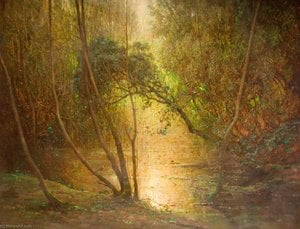
Impressionism
 1921
1921 50.0 x 31.0 cm
ウェブ上のプレビューを遥かに凌駕する、印刷に最適なファイルをご提供します。当サイトで販売しているすべてのデジタル画像は、弊社のデータベース内にある高解像度のマスターデータ(通常、幅5,000〜15,000ピクセル)から作成されています。そのため、大判印刷やタイトなクロップ、細部まで緻密な再現も、安心してお楽しみいただけます。
当スタジオから送り出される画像は、すべて丁寧に加工されています。デジタルエキスパートが原画と照らし合わせて色調を精査し、必要に応じて補正を行った上で、プロ仕様のリタッチツールを用いて鮮明さと細部を向上させます。その際、アーティストの筆致やスタイルに忠実であることを常に追求しています。その結果、単なるスキャン画像にフィルターをかけたようなものではなく、まるで本物の絵画を見ているかのような仕上がりを実現しています。
仕上がりをご確認いただいてから完了となります。専門スタッフが、ご確認用の画像を72時間以内にメールでお送りいたします。もしご満足いただけない場合は、修正や改善のご要望を承るほか、品質が基準に満たない場合には返金も可能です。
出版社、デザインスタジオ、ギャラリー、そして印刷所から信頼される品質です。
個人での鑑賞、印刷、クリエイティブなプロジェクトにご利用いただける高解像度ファイルをダウンロードできます。 ( プリント版に切り替え 手描きの複製画を注文する)
WahooArt.com を選ぶことは、単に画像を手に入れることではありません。プロの手によって精密に仕上げられ、満足保証が付いた高品質なデジタルアートワークを受け取ることを意味します。ご注文いただいた際に自動的に付随する内容は、以下の通りです:
ご注文から72時間以内に、高解像度のデジタル画像ファイルをメールでお送りいたします。お手元に届き次第、すぐにご利用いただけます。
お客様の作品は、高度なAI技術と専門家による手作業を組み合わせてプロフェッショナルに最適化されており、細部のディテール、鮮明さ、そして正確な色再現性を最大限に引き出しています。
ファイルを誤って削除したり、紛失してしまったりしましたか?ご安心ください。いつでも無料で再送いたします。
関税や手数料、配送料を気にすることなく、お気に入りのアートワークをすぐにお楽しみいただけます。デジタルダウンロードは常に免税です。
プロ仕様のツールとカラーマネジメント技術を用いることで、デジタル画像が元の色を最大限に忠実に再現することを保証いたします。
ご購入いただいたデジタル画像にご満足いただけない場合は、100日以内であれば、理由を問わず修正または100%の返金対応をさせていただきます。
ご満足いただけない場合は、デジタルファイルを受け取ってから100日以内であれば、理由を問わず全額返金いたします。
3枚購入で10%OFF、5枚購入で15%OFF、10枚以上のご購入で20%OFF。クリエイティブなプロジェクトやギャラリー、エージェンシーに最適です。

Edgar Herbert Thomas, born in Narberth, Pembrokeshire, Wales in 1862, emerged as a painter deeply attuned to the romantic spirit of his era. While initially embarking on a career as an illustrator for ‘The Western Mail’ in 1880, it was his inherent talent for capturing atmosphere and detail that ultimately steered him towards fine art. This early experience honed his observational skills and provided a foundation for the meticulous brushwork that would become a hallmark of his style. Though born in Wales, Thomas's artistic journey led him to Austria, where he found both inspiration and a burgeoning career depicting the majestic landscapes and refined society of 19th-century Europe.
Thomas quickly established himself as an artist capable of rendering both the grandeur of nature and the nuanced character of his subjects. His landscapes, often featuring the breathtaking vistas of the Alps, are not merely depictions of scenery but evocative portrayals of mood and emotion. He possessed a remarkable ability to capture the play of light and shadow, imbuing his scenes with a sense of serenity and timeless beauty. Simultaneously, Thomas excelled in portraiture, capturing the spirit and social standing of his sitters with an impressive degree of realism and sensitivity. His portraits weren’t simply likenesses; they were windows into the lives and personalities of those he painted.
The artistic currents of Thomas's time profoundly shaped his work. He absorbed elements from Romanticism, evident in his dramatic compositions and emotional intensity, and hints of Symbolism can be detected in the subtle narratives woven into some of his pieces. The influence of artists like Gustave Doré, renowned for his detailed engravings and atmospheric scenes, is also apparent in Thomas’s meticulous approach to detail and mastery of light and shadow. Over time, his style evolved from a more traditional realism towards an Impressionistic sensibility, particularly noticeable in his forest scenes where brushstrokes become looser and more expressive.
While a comprehensive catalogue raisonné remains elusive, several works stand as testaments to Thomas’s skill. ‘Landscape’ (1921), with its serene depiction of a forested scene, exemplifies his Impressionistic leanings and masterful use of color. His studies of the nude form, such as “Study of the Nude”, demonstrate his technical prowess and understanding of anatomy. Though less widely known today, paintings like "The Last Supper" and "The Death of Emperor Franz Joseph" suggest a broader range of subject matter and an engagement with historical themes. These works, alongside numerous portraits, cemented his reputation among collectors and art enthusiasts of the period.
Edgar Herbert Thomas occupies a unique position in the artistic landscape of the late 19th and early 20th centuries. He represents a bridge between traditional academic painting and the emerging modern styles. His detailed brushwork, atmospheric compositions, and evocative portrayals of European life offer a valuable glimpse into a bygone era. While not as celebrated as some of his contemporaries, Thomas’s work continues to resonate with those who appreciate the beauty of classical art and the enduring power of landscape and portraiture. Today, reproductions of his paintings allow a wider audience to experience the timeless elegance and emotional depth that define his artistic legacy.

1862 - 1936

 設置イメージを確認
 送る
送る シェア
シェア
 詳細情報
詳細情報 ガイドを表示

 画像をダウンロード
 似ている作品
 X線調査
X線調査 スライドショー
 統計情報
統計情報 続きを読む
続きを読む