

 Acrylic On CanvasWallArtConceptual Collage
 36.0 x 28.0 cm
 Vancouver Art Gallery
このページに掲載されている作品は著作権法によって保護されており、当社の許可なく同一の複製物を制作または販売することは法律で禁じられています。この保護は、以下のような国際条約に基づき執行されます。 ベルヌ条約 および、以下の条項に定められたものを含む各国の法律により、 米国著作権法 第17編。
この手法は、著作権で保護された作品の複製や複写を伴わないため、著作権法に完全に準拠しています。これは単なる模倣ではなく、創造的な再解釈です。元の作品からインスピレーションを受けつつも、それとは異なる、全く新しい絵画を生み出すものです。
スピーディーな制作と多彩な仕上げオプションが魅力の、ミュージアムクオリティなジークレー・キャンバスプリント。 ( 手描きの複製画を注文する デジタル画像販売へ切り替え)





























作品のオリジナル比率に合わせた、当店の規定サイズからお選びください。

額縁や壁のスペースに合わせて、ご希望の幅と高さを入力してください。プリントはカットすることは可能ですが、元の画像より大きくすることはできないため、異なる比率のサイズを選択された場合は、画像の一部が欠けることになります。印刷を開始する前に、内容を確認していただくためのデジタルモックアップをお送りいたします。このページに表示されている画像は、実際のカット後の状態を示すものではありません。実際の仕上がりはモックアップにてご確認ください。
Blasphemous Rumours
複製画サイズ一覧
Douglas Coupland’s “Blasphemous Rumours,” a deceptively simple collage, isn't merely a visual arrangement of printed matter; it’s a carefully constructed interrogation of faith, doubt, and the unsettling dissonance between ritualistic tradition and individual experience. Created in 2007, this piece emerged from Coupland’s ongoing exploration of contemporary culture—a realm he often dissects with a sharp, almost clinical eye, revealing the anxieties and contradictions simmering beneath the surface. The artwork's power lies not in grand pronouncements but in its quiet accumulation of fragmented phrases, sourced primarily from Penguin paperbacks – those ubiquitous symbols of accessible knowledge and childhood literacy. These aren’t just random words; they are carefully selected snippets of religious texts, whispered gossip, and unsettling pronouncements, layered upon the familiar orange and black of the Penguin brand.
Coupland masterfully employs a collage technique, juxtaposing elements that initially appear discordant yet ultimately coalesce into a compelling narrative. The stark white frames surrounding each textual fragment serve to isolate them, forcing the viewer to confront their individual weight and significance. The deliberate use of vinyl lettering adds a tactile quality, grounding the digital imagery in a tangible reality—a subtle rebellion against the ephemeral nature of modern media. Coupland’s choice to utilize book covers as his primary material is particularly potent; books represent both knowledge and authority, institutions that have historically shaped belief systems. By repurposing these symbols, he subtly undermines their power, suggesting that faith itself can be a fragile construct, susceptible to doubt and reinterpretation.
The specific phrases chosen by Coupland are deliberately provocative. “Blasphemous Rumours,” echoing Depeche Mode’s iconic song, immediately establishes a theme of transgression and questioning. Alongside it, snippets from “Love Will Tear Us Apart” – a lament on the disintegration of relationships – introduce an element of personal vulnerability and emotional turmoil. The inclusion of phrases like "speculation," "gossip," and "hearsay" further underscores the artwork’s exploration of rumor and its corrosive effect on truth. Coupland isn't simply presenting these words; he’s arranging them in a way that forces us to confront the uncomfortable realities beneath the veneer of pious pronouncements.
The layering of religious language – “prayer list,” references to impending death, and pronouncements of divine will – creates a palpable sense of unease. Coupland's own background, shaped by his mother’s involvement in the Salvation Army, informs this critical perspective. He doesn’t demonize religion outright; rather, he exposes its potential for manipulation and the inherent contradictions within established belief systems. The juxtaposition of sacred words with secular gossip highlights a fundamental tension: the gap between faith and lived experience.
“Blasphemous Rumours” is more than just a commentary on religion; it’s a broader meditation on contemporary culture—a world saturated with information, prone to speculation, and increasingly fragmented. Coupland's use of QR codes in other works – as seen in his “Everywhere Is Anywhere Is Anything Is Everything” series – reflects this digital landscape, suggesting that we are all navigating a complex web of interconnected narratives. The collage itself mirrors the chaotic nature of modern information overload, where truth is often obscured by rumor and speculation.
The artwork’s emotional impact is one of unsettling contemplation. It doesn't offer easy answers or comforting resolutions; instead, it invites viewers to grapple with their own beliefs and assumptions. “Blasphemous Rumours” serves as a potent reminder that faith, like culture itself, is constantly evolving—shaped by experience, doubt, and the relentless flow of information. Its enduring power lies in its ability to provoke thought and challenge our understanding of the world around us.
ダグラス・クプランド作「Blasphemous Rumours」の画像は、作品のダウンロードページからダウンロードいただけます:高解像度デジタル画像のダウンロード。
ダグラス・クプランド作「Blasphemous Rumours」は、彩度Mutedで記録されています。
ダグラス・クプランド作「Blasphemous Rumours」のプレビューは、作品のプレビューページでご確認いただけます。


1961 - , カナダ

Unveil the profound secrets of classical masterpieces. Explore our expert analysis of symbolism and iconography in art history, decoding the hidden narratives within every pigment and gesture to enrich your appreciation of fine art.

Elevate your digital artistry with our expert guide to mastering collage. Learn professional techniques for layering textures, blending imagery, and creating profound visual narratives through advanced digital composition and modern creative workflows.
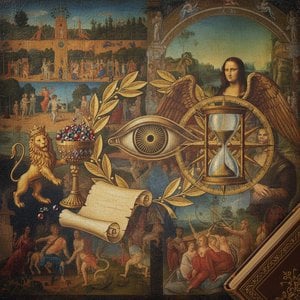
Embark on a scholarly journey through the hidden layers of art history. Discover how to decode celestial symbols, Art Nouveau allegories, and the profound visual metaphors embedded within the world's most celebrated masterpieces.

Unlock the profound secrets of fine art with our expert guide to symbolism. From Art Nouveau allegories to celestial iconography, discover how to decode the hidden meanings and visual metaphors within historical masterpieces.

 設置イメージを確認
 送る
送る シェア
シェア
 詳細情報
詳細情報 ガイドを表示

 画像をダウンロード
 似ている作品
 X線調査
X線調査 スライドショー
 統計情報
統計情報 続きを読む
続きを読む









 ガラスオプションは、110cm未満のサイズでのみご利用いただけます。


