Acrylic On CanvasWallArtEarly Renaissance
 1412
1412 168.0 x 173.0 cm
 サンタ・クロチェ美術館
ウェブ上のプレビューを遥かに凌駕する、印刷に最適なファイルをご提供します。当サイトで販売しているすべてのデジタル画像は、弊社のデータベース内にある高解像度のマスターデータ(通常、幅5,000〜15,000ピクセル)から作成されています。そのため、大判印刷やタイトなクロップ、細部まで緻密な再現も、安心してお楽しみいただけます。
当スタジオから送り出される画像は、すべて丁寧に加工されています。デジタルエキスパートが原画と照らし合わせて色調を精査し、必要に応じて補正を行った上で、プロ仕様のリタッチツールを用いて鮮明さと細部を向上させます。その際、アーティストの筆致やスタイルに忠実であることを常に追求しています。その結果、単なるスキャン画像にフィルターをかけたようなものではなく、まるで本物の絵画を見ているかのような仕上がりを実現しています。
仕上がりをご確認いただいてから完了となります。専門スタッフが、ご確認用の画像を72時間以内にメールでお送りいたします。もしご満足いただけない場合は、修正や改善のご要望を承るほか、品質が基準に満たない場合には返金も可能です。
出版社、デザインスタジオ、ギャラリー、そして印刷所から信頼される品質です。
個人での鑑賞、印刷、クリエイティブなプロジェクトにご利用いただける高解像度ファイルをダウンロードできます。 ( プリント版に切り替え 手描きの複製画を注文する)
WahooArt.com を選ぶことは、単に画像を手に入れることではありません。プロの手によって精密に仕上げられ、満足保証が付いた高品質なデジタルアートワークを受け取ることを意味します。ご注文いただいた際に自動的に付随する内容は、以下の通りです:
ご注文から72時間以内に、高解像度のデジタル画像ファイルをメールでお送りいたします。お手元に届き次第、すぐにご利用いただけます。
お客様の作品は、高度なAI技術と専門家による手作業を組み合わせてプロフェッショナルに最適化されており、細部のディテール、鮮明さ、そして正確な色再現性を最大限に引き出しています。
ファイルを誤って削除したり、紛失してしまったりしましたか?ご安心ください。いつでも無料で再送いたします。
関税や手数料、配送料を気にすることなく、お気に入りのアートワークをすぐにお楽しみいただけます。デジタルダウンロードは常に免税です。
プロ仕様のツールとカラーマネジメント技術を用いることで、デジタル画像が元の色を最大限に忠実に再現することを保証いたします。
ご購入いただいたデジタル画像にご満足いただけない場合は、100日以内であれば、理由を問わず修正または100%の返金対応をさせていただきます。
ご満足いただけない場合は、デジタルファイルを受け取ってから100日以内であれば、理由を問わず全額返金いたします。
3枚購入で10%OFF、5枚購入で15%OFF、10枚以上のご購入で20%OFF。クリエイティブなプロジェクトやギャラリー、エージェンシーに最適です。
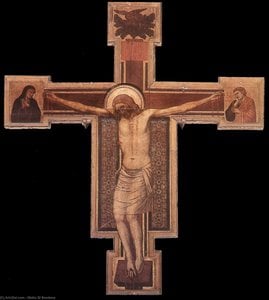
Donatello's 1412 Crucifix, housed within the Basilica of Santa Croce in Florence, isn’t merely a depiction of Christ on the cross; it’s a visceral experience. This early Renaissance masterpiece transcends simple representation, plunging the viewer into the heart of Christian theology and embodying the profound tension between suffering and redemption. Crafted from richly-toned pearwood, the sculpture immediately commands attention with its remarkably realistic portrayal of the human form – a radical departure from the idealized figures prevalent in preceding artistic traditions. Donatello masterfully captures not just the physical agony of Christ’s crucifixion but also an underlying sense of quiet dignity and acceptance, inviting contemplation on themes of sacrifice and faith.
The sculpture's power lies partly in its innovative approach to realism. Vasari famously remarked that Donatello had sculpted a “contadino” – a peasant – rather than a divine figure, highlighting the artist’s deliberate choice to humanize Christ, making his suffering relatable and deeply affecting. The musculature of Christ’s body is rendered with meticulous detail, conveying both the strain of the nails piercing his flesh and the subtle grace of his posture. The loincloth, meticulously carved, adds another layer of realism, anchoring the figure in a tangible, earthly reality. This deliberate focus on human anatomy was revolutionary for its time, setting a new standard for artistic representation and influencing generations of sculptors to come.
Donatello’s mastery is evident not only in the sculpture's realism but also in his skillful manipulation of materials. The pearwood, chosen for its rich color and durability, provides a warm, resonant base for the vibrant polychrome pigments that bring the figure to life. The artist employed a technique known as *polychromy*, applying layers of paint – primarily reds, browns, and golds – to create an illusion of depth and texture. The intricate detailing of the nails driven into Christ’s hands and feet is particularly noteworthy, demonstrating Donatello's precision and control.
Beyond the pigments, the sculpture’s construction itself speaks volumes about Renaissance craftsmanship. The wood was carved with painstaking care, utilizing a subtractive method – removing material to reveal the desired form. The lead lines forming the cross are expertly executed, creating a strong structural framework while simultaneously contributing to the overall aesthetic impact. This combination of sculptural skill and meticulous attention to detail exemplifies the artistic standards of the early Renaissance period.
The Crucifix is laden with symbolic meaning, reflecting core tenets of Christian belief. The cross itself represents sacrifice, atonement for humanity’s sins, and the path to salvation. Christ's suffering embodies humility, obedience, and love – qualities deeply valued within the Christian tradition. The figure’s serene expression, despite his evident pain, suggests a profound acceptance of God’s will and an unwavering faith in the promise of resurrection.
Furthermore, Donatello’s depiction subtly shifts from the traditional Byzantine emphasis on Christ as a glorious, divine being to a more humanistic portrayal – a hallmark of the Renaissance. This shift reflects a growing interest in earthly experience and the potential for humanity to connect with the divine through empathy and understanding. The sculpture invites viewers not just to witness Christ's suffering but also to contemplate their own capacity for compassion and faith.
Donatello’s Crucifix stands as a pivotal work in the transition from medieval to Renaissance art, demonstrating a remarkable fusion of classical influences with Christian iconography. It represents a significant departure from earlier depictions of Christ on the cross, characterized by stylized forms and symbolic gestures. The sculpture's realism, emotional depth, and technical virtuosity established new standards for artistic representation and profoundly influenced subsequent generations of artists. Today, it remains a powerful testament to the enduring legacy of Donatello and his contribution to the development of Western art.


1386 - 1466 , イタリア

 設置イメージを確認
 送る
送る シェア
シェア
 詳細情報
詳細情報 ガイドを表示

 画像をダウンロード
 似ている作品
 X線調査
X線調査 スライドショー
 Q&A
Q&A 統計情報
統計情報 続きを読む
続きを読む