
 Oil On CanvasWallArtBaroque
 1619
1619 101.0 x 135.0 cm
当社のアーティストが、お客様のご希望のサイズと額縁に合わせて、キャンバスに手描きで制作する油彩画です。 ( プリント版に切り替え デジタル画像販売へ切り替え)





























作品のオリジナル比率に合わせた、当店の規定サイズからお選びください。

特定のフレームやスペースに合わせて、ご希望のサイズをご入力いただけます。選択されたサイズが元の画像の比率と異なる場合、アートワークをトリミングするか、手描きで要素を追加して絵画を拡張いたします。デジタルモックアップ を制作し、制作開始前にご確認(承認)をいただきます。
画面上のプレビューは、実際のトリミングや拡張を正確に反映しているものではありません。最終的な構図は、モックアップによってのみ正確にご確認いただけます。
カスタムサイズもご利用いただけますが、元の比率を維持するためには、あらかじめ用意されたリストからサイズを選択することをお勧めいたします。

The Immaculate Conception
複製画のサイズ
Diego Velázquez’s “The Immaculate Conception,” painted in 1619, isn't merely a depiction of the Virgin Mary; it’s a profound meditation on grace, faith, and the very essence of divine purity. This masterpiece, housed within the hallowed halls of the National Gallery in London, stands as a testament to Velázquez’s unparalleled skill in capturing both the ethereal beauty of religious iconography and the tangible reality of human form. More than just a painting, it's an invitation into a realm where light, shadow, and symbolism converge to create an experience that transcends mere visual representation.
The scene unfolds within a softly rendered, cloud-filled sky – a deliberate choice that immediately establishes an atmosphere of serenity and otherworldliness. The Virgin Mary, positioned slightly off-center to the left, is not depicted as a youthful, idealized figure but rather as a woman of mature grace, her expression one of quiet contemplation. Her hands are gently clasped in prayer, directing our gaze towards the infant Jesus nestled securely within her arms. This intimate tableau speaks volumes about the profound love and devotion at the heart of the Immaculate Conception – the belief that Mary was conceived without original sin, a concept central to Catholic theology.
Velázquez’s mastery of *chiaroscuro* is immediately apparent. The painting is bathed in a luminous glow emanating from the heavens, illuminating the Virgin and Child with an almost divine radiance. This stark contrast between light and shadow not only adds depth and volume to the figures but also serves to heighten their spiritual significance. The darker background, punctuated by scattered stars – symbols of hope and guidance – creates a sense of vastness and emphasizes the central figures’ position as beacons of grace within this celestial realm. Notably, two small birds are subtly integrated into the composition: one near the top right corner and another closer to the bottom left. These seemingly minor details contribute to the painting's dynamic quality, suggesting movement and life amidst the stillness of the scene.
Classified as a quintessential example of Baroque art, “The Immaculate Conception” embodies many of the stylistic hallmarks of the period. The dramatic lighting, intense emotions, and elaborate ornamentation are all characteristic features of this artistic movement, which flourished in Europe during the 17th century. Velázquez’s approach, however, transcends mere imitation; he infuses the Baroque style with his own unique sensibility – a remarkable blend of realism, psychological insight, and technical virtuosity.
Velázquez's meticulous attention to detail is evident throughout the painting. The folds of Mary’s robes are rendered with astonishing precision, capturing their texture and movement as if they were sculpted from light itself. Similarly, the delicate features of the infant Jesus – his tiny hands, perfectly formed fingers – reveal Velázquez’s extraordinary ability to depict human anatomy with both accuracy and sensitivity. The artist's use of *sfumato*, a technique involving subtle gradations of tone to create soft, hazy effects, further enhances the painting’s ethereal quality.
Furthermore, the composition itself is carefully orchestrated to draw the viewer’s eye towards the central figures. The diagonal lines created by the Virgin's robes and the infant Jesus’s position guide our gaze across the canvas, while the subtle placement of the birds adds a sense of dynamism and visual interest. This masterful control over form and space demonstrates Velázquez’s profound understanding of artistic principles.
The theme of the Immaculate Conception was profoundly popular among artists during the Baroque period, reflecting a growing emphasis on Marian devotion within Catholic society. Several other notable artists explored this subject with distinctive approaches, offering valuable insights into the evolving interpretation of the concept.
These diverse interpretations highlight the multifaceted nature of the Immaculate Conception – a concept that continues to resonate with artists and viewers alike centuries later.
The original “The Immaculate Conception” remains housed in the National Gallery (London, United Kingdom), a testament to its enduring artistic value. However, for those seeking to experience this masterpiece firsthand or to bring its beauty into their own homes, WahooArt offers meticulously crafted hand-painted oil reproduction of Velázquez’s iconic work. Each reproduction is created by skilled artisans using the same techniques and materials as the original, ensuring an unparalleled level of detail and authenticity.
Whether you are an art enthusiast, a collector seeking to enrich your collection, or simply someone who appreciates exquisite beauty, Diego Velázquez's “The Immaculate Conception” remains a timeless masterpiece. Explore our selection of high-quality reproductions today and bring this extraordinary work of art into your life.


1599 - 1660 , スペイン

Explore the profound drama of Spanish Baroque art. Delve into the mastery of light, shadow, and realism through the legendary works of Diego Velázquez and the Spanish Golden Age.

Explore the breathtaking drama of the Baroque era. From the mastery of chiaroscuro to epic mythological narratives, discover a definitive guide to art's most powerful period of light, shadow, and emotion for the true classical art enthusiast.

Explore the profound beauty of Marian iconography through an art historian's lens. Discover iconic masterpieces by Raphael and Renaissance masters, celebrating the divine grace and timeless elegance of the Virgin Mary in classical fine art.
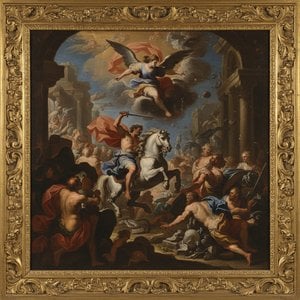
Explore the breathtaking power of Baroque art. Delve into the dramatic interplay of light, shadow, and motion through the works of masters like Caravaggio. Discover how the era's intense emotional realism continues to inspire collectors and connoisseurs of classical grandeur.

Embark on a profound journey through art history with our exploration of the most iconic depictions of the Virgin Mary. Discover the divine grace, symbolism, and masterful techniques found in Renaissance masterpieces and sacred iconography.


 プレビュー
プレビュー
 シェアする
シェアする シェアする
シェアする
 詳細を見る
詳細を見る ガイド
ガイド

 ダウンロード
 似ている作品
 X線調査
X線調査 スライドショー
 統計情報
統計情報 詳細を見る
詳細を見る









 ガラスオプションは、110cm未満のサイズでのみご利用いただけます。


