A Florentine Legacy: The Life and Art of Davide Ghirlandaio
Davide Ghirlandaio, born in Florence in 1452, emerged from a family deeply entrenched in the artistic heart of the Renaissance. While perhaps not as widely celebrated as his brother, Domenico Ghirlandaio, Davide’s contributions were pivotal to the flourishing of Florentine painting and mosaic work during a period of unprecedented creative innovation. His story is one of collaboration, succession, and a quiet mastery that ensured the continuation of a significant artistic lineage. Initially working in the shadow of his more prominent sibling, Davide honed his skills as an assistant to Domenico, absorbing the techniques and stylistic nuances that would define his own oeuvre. The Ghirlandaio workshop was a bustling center of production, and Davide’s early experience provided him with a solid foundation in fresco painting, panel work, and the intricate art of mosaic creation. The family's artistic prominence extended beyond Domenico and Davide; Benedetto Ghirlandaio also practiced as a painter, and later, Ridolfo Ghirlandaio, Domenico’s son, would continue the family tradition under Davide’s tutelage after his uncle’s death.
Collaboration and Artistic Development
The partnership between Davide and Domenico was crucial to their collective success. While Domenico often took the lead on major commissions, Davide played an integral role in executing the complex designs and ensuring the quality of the finished works. This collaborative spirit fostered a shared aesthetic characterized by realistic depictions of figures, vibrant colors, and a keen attention to detail—qualities that were highly sought after by Florentine patrons. Following Domenico’s passing in 1494, Davide assumed control of the workshop, a testament to his skill and reliability. He not only continued existing projects but also embarked on new endeavors, demonstrating an ability to adapt and innovate while remaining true to the Ghirlandaio style. His work during this period reveals a growing confidence and a subtle refinement of technique. While he maintained the naturalism inherited from Domenico, Davide’s compositions often exhibit a greater sense of intimacy and emotional depth.
Masterpieces in Mosaic and Fresco
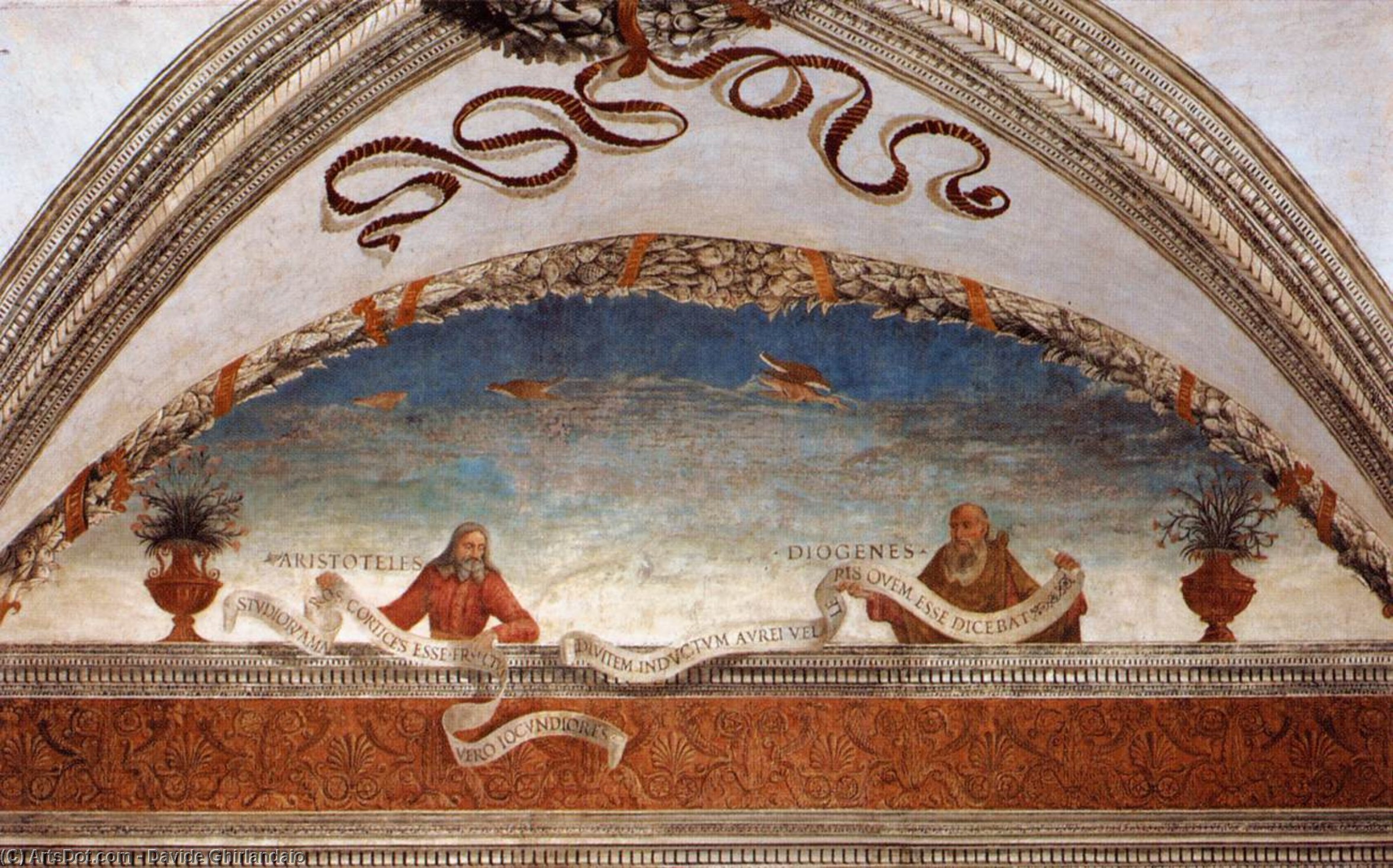
Davide Ghirlandaio's artistic output spanned both fresco painting and mosaic work, with a particular emphasis on religious subjects. He was actively involved in the extensive mosaic decoration of the Orvieto Cathedral, a project that demanded exceptional skill and precision. The cathedral’s mosaics, shimmering with gold and rich colors, stand as enduring examples of his technical prowess and artistic vision. Beyond Orvieto, Davide undertook numerous commissions for churches and private patrons in Florence and surrounding areas. His frescoes, though less extensively documented than those of Domenico, reveal a masterful command of perspective, anatomy, and narrative storytelling. Works like *Selvaggia Sassetti (born 1470)* showcase his ability to capture the personality and social standing of his subjects with remarkable sensitivity. The portrait is notable for its detailed rendering of fabrics and jewelry, as well as the sitter’s alert and engaging gaze. Another significant work, *The Marriage of the Virgin*, exemplifies his skill in depicting complex scenes with clarity and grace.
Legacy and Historical Significance
Davide Ghirlandaio's historical significance lies not only in his individual artistic achievements but also in his role as a preserver and transmitter of Renaissance ideals. By taking over his brother’s workshop and training the next generation of artists, including his nephew Ridolfo, he ensured the continuity of the Ghirlandaio style and its influence on subsequent generations of Florentine painters. His dedication to quality craftsmanship and realistic representation helped shape the aesthetic landscape of the early 16th century. While overshadowed by some of his more famous contemporaries, Davide’s work deserves recognition for its technical brilliance, emotional depth, and contribution to the rich artistic heritage of Florence. He represents a vital link in the chain of Renaissance masters, embodying the collaborative spirit and enduring legacy of one of Italy's most influential artistic families.
- Born: Florence, Italy, 1452
- Died: Florence, Italy, 1525
- Known for: Frescoes and mosaics, particularly his work at the Orvieto Cathedral.
- Family Connections: Brother of Domenico Ghirlandaio, uncle to Ridolfo Ghirlandaio.







 プリントを購入
 シェアする
シェアする シェアする
シェアする
 Details

 ダウンロード
 似ている作品
 X-Ray
X-Ray スライドショー





































 続きを読む
続きを読む


 ガラスオプションは、110cm未満のサイズでのみご利用いただけます。


