


スピーディーな制作と多彩な仕上げオプションが魅力の、ミュージアムクオリティなジークレー・キャンバスプリント。 ( 手描き複製画を注文する デジタル画像販売へ切り替え)





























作品のオリジナル比率に合わせた、当店の規定サイズからお選びください。

額縁や壁のスペースに合わせて、ご希望の幅と高さを入力してください。プリントはカットすることは可能ですが、元の画像より大きくすることはできないため、異なる比率のサイズを選択された場合は、画像の一部が欠けることになります。印刷を開始する前に、内容を確認していただくためのデジタルモックアップをお送りいたします。このページに表示されている画像は、実際のカット後の状態を示すものではありません。実際の仕上がりはモックアップにてご確認ください。
Davida
複製画サイズ一覧
In Hendrik Haverman's Davida, the viewer meets the subject through an intimate, eye-level perspective that feels immediate and personal. This close-up, bust-length portrait places the girl slightly off-center, a choice that creates a quiet tension within the frame. The composition draws the eye directly to her presence, establishing an emotional connection that feels as though a single moment has been suspended in time. Around her, the world recedes into a muted and earthy atmosphere, where deep browns, blacks, and ochre dominate both the background and her clothing.
The lighting in this work about 1901 carries a strong sense of chiaroscuro, casting the scene into a dramatic interplay of light and shadow. A powerful light source strikes one side of her face, carving out the volume of her features and providing a sense of physical depth. This illumination makes her skin appear pale and luminous against the darker, somber tones of her surroundings. The contrast between the bright, glowing complexion and the heavy, dark pigments of the background focuses all attention on her expression and the subtle contours of her face.
The work emerges through the disciplined application of academic realism, rendered in oil on canvas. Layered pigments build a physical presence, lending a sense of weight and permanence to the figure. The artist employs painterly techniques that allow the medium to feel alive, where the movement of the brush remains visible to the eye. In the hair and the soft background, lines appear gentle and blended, melting into one another to create a quiet, atmospheric space. This softness contrasts with the more deliberate, defined brushstrokes used to shape the features of the face, anchoring the subject's expression in a moment of stillness.
Texture plays a vital role in how the light interacts with the surface. Visible brushstrokes catch the light across the hair and the lace-edged collar, giving the fabric a tangible, tactile quality. The lighting mimics the chiaroscuro tradition, casting subtle shadows that carve out depth and volume. These shadows wrap around the contours of the face, providing a three-dimensional quality that makes the subject feel present. Through this careful manipulation of light and pigment, the portrait achieves a profound sense of intimacy.
Academic Realismのムーブメントにおいて、「Davida」はSomberなトーンで描かれています。
「Davida」は、WallArtの作品です。
ヘンドリック・ハーフェルマンは、ヘンドリック・ヨハネス・ハーフェルマン, ヘンドリック・ホーラン・ハーフェルマンという別名でも表記されます。

ヘンドリック・ハーフェルマンは、1857年10月23日にアムステルダムに生を受けました。彼の幼少期は、オランダの風景と、規律ある学問の静謐な空気によって形作られました。アムステルダムの国立美術アカデミー(Rijksakademie van beeldende kunsten)で芸術家としての第一歩を踏み出した彼は、そこで道具を操るための基礎を学びます。その確かな土台は、その後、アントワープやブリュッセルといった芸術都市での研鑽を通じてさらに広がり、異なる空間を渡り歩くことで、その筆致はより洗練されたものへと昇華していきました。
修業時代、ヘンドリック・ハーフェルマンはアウグスト・アレベとヘンドリック・ヴァルケンブルフという偉大な師の指導のもとで研鑽を積みました。彼らから授けられた技術的な体系は、後の彼のデッサンと絵画へのアプローチを決定づけるものとなりました。特に彼は、揺るぎない眼差しと忍耐強い手つきを必要とする、肖像画特有の精密な描写にその情熱を注ぎました。彼の学びは単一の教室に留まることはなく、オランダとベルギーの主要な芸術拠点の間を移動し続ける、ダイナミックなプロセスでもあったのです。
ヘンドリック・ハーフェルマンが自らの表現を最も深く見出したのは、肖像デッサンにおける緻密な描写の中にありました。彼は顔の輪郭線に魂を宿し、素描家の鋭い眼差しによって、被写体が持つ独特の存在感を鮮やかに捉えました。この肖像画への献身的な姿勢は、1892年に国家から王立助成金が授与されたことで高く評価されています。また、その卓越した技術は、王立自由絵画賞(Koninklijke Prijs voor Vrije Schilderkunst)の受賞という栄誉をもたらしました。
アトリエでの制作活動にとどまらず、彼はオランダの広範な知的生活にも深く関わっていました。最古のオランダ文学雑誌である『デ・ギッツ(De Gids)』に数多くの論考を寄稿し、美術批評家としてもその名を馳せたのです。この活動は、彼が描くという身体的な行為と同じくらい、芸術の理論や批評に対しても深い関心を抱いていたことを物語っています。彼の視点は、自らの実践と、変容し続ける芸術界の観察という両面から形作られていたのです。
ヘンドリック・ハーフェルマンの影響力は、個別の指導という形でも広がっていました。当時、公的なアカデミーの門戸が女性に対して閉ざされていた時代において、彼はエドメ・ブロース、メタ・コーエン・ゴスチャルク、マリア・アデライン・アリス・シュヴァイストール、そしてポーリン・スイといった女性たちに私的なレッスンを提供しました。これらの学びの場は、彼女たちが伝統的なアカデミーの枠組みを超えて、自らの技術を磨き上げるための大切な道筋となったのです。
プロフェッショナルとしての彼の足跡は、視覚芸術と「言葉」という二つの領域における献身によって特徴づけられます。彼は長年続く文学雑誌『デ・ギッツ』において、他者の作品を鋭く分析する論考を数多く発表しました。こうした文学・批評界への関わりを通じて、彼は観察者としての立場から、オランダ美術の移り変わる潮流を、鋭い洞察力をもって見守り続けたのでした。

1857 - 1928 , オランダ

Elevate your memories with our expert guide on selecting the perfect photograph for bespoke oil painting commissions. Discover how to leverage lighting, composition, and historical styles to transform a simple snapshot into a timeless, hand-painted masterpiece.

Immerse yourself in the vibrant world of Alexej von Jawlensky. Explore 25 iconic Expressionist masterpieces, from emotive portraits to bold colors. Find inspiration for your collection with museum-quality art reproductions at WahooArt.com. Discover all masterpieces online.

Explore the profound connection between technique and emotion. From the sculptural depth of impasto to classical mastery, decode the language of brushstrokes through an expert lens of art history and fine art connoisseurship.

Explore the psychological depth of classical portraiture through masters like Rembrandt and Vermeer. Discover the power of the gaze today.
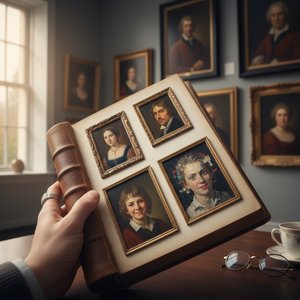
Master the nuances of portrait composition with our expert guide for collectors. Discover how light, gaze, and texture create emotional depth in fine art, from classical masterpieces to bespoke oil commissions.
 設置イメージを表示

 シェアする
 シェアする
 詳細を見る
 ガイドを表示


 ダウンロード
 似ている作品
 X線調査
 スライドショーを表示
 Q&A

 統計情報


 詳細を表示









 ガラスオプションは、110cm未満のサイズでのみご利用いただけます。


