
 Oil On CanvasWallArtLandscape Painting
 185019th Century
 37.0 x 55.0 cm
 National Trust
当社のアーティストが、お客様のご希望のサイズと額縁に合わせて、キャンバスに手描きで制作する油彩画です。 ( プリント版に切り替え デジタル画像販売へ切り替え)





























作品のオリジナル比率に合わせた、当店の規定サイズからお選びください。

特定のフレームやスペースに合わせて、ご希望のサイズをご入力いただけます。選択されたサイズが元の画像の比率と異なる場合、アートワークをトリミングするか、手描きで要素を追加して絵画を拡張いたします。デジタルモックアップ を制作し、制作開始前にご確認(承認)をいただきます。
画面上のプレビューは、実際のトリミングや拡張を正確に反映しているものではありません。最終的な構図は、モックアップによってのみ正確にご確認いただけます。
カスタムサイズもご利用いただけますが、元の比率を維持するためには、あらかじめ用意されたリストからサイズを選択することをお勧めいたします。

Carrying Vetches
複製画のサイズ
In the quietude of the mid-19th century British countryside, David Cox the Elder captured a moment of profound harmony that transcends time. Carrying Vetches, painted in 1850, serves as more than just a depiction of agricultural labor; it is an evocative window into a vanishing way of life. The canvas breathes with the rhythm of the seasons, presenting a scene where the toil of man and the vitality of nature exist in a seamless, rhythmic dance. As viewers gaze upon the field, they are drawn into a world where the heavy movement of horses and carts is balanced by the delicate, fleeting presence of a bird soaring through the sky, suggesting that even within the most grounded of labors, there is a lightness of spirit and an eternal freedom.
The technical mastery of Cox is evident in his ability to manipulate light and earthy tones to create an atmosphere that feels both warm and deeply nostalgic. Utilizing a palette rich in organic hues, the artist employs broad, confident brushstrokes that prefigure the Impressionist movement. This technique allows the textures of the field and the weight of the carts to feel tangible, yet it maintains a soft, atmospheric haze that envelops the figures. For the discerning collector or interior designer, this painting offers a sophisticated interplay of light and shadow, making it an ideal centerpiece for spaces that require a sense of grounded tranquility and classical elegance.
To understand Carrying Vetches, one must look to the roots of its creator. Born in the industrial heart of Birmingham, David Cox the Elder was a pivotal figure of the Birmingham School, an artist whose work bridged the gap between meticulous detail and emotive expression. While his early training involved the delicate art of miniature painting, his mature style embraced the expansive beauty of the landscape. This piece reflects that evolution, showcasing a transition from the precise to the atmospheric. The composition itself is a study in community; by depicting people working together amidst their livestock, Cox celebrates the social fabric of rural life, emphasizing a sense of shared purpose and interdependence.
For those seeking to adorn a home or gallery with a piece that evokes emotional depth, this work provides a unique opportunity. It does not merely decorate a wall; it invites contemplation on the relationship between humanity and the earth. The painting’s ability to evoke a sense of peace—a "tranquil world of rural life"—makes it a powerful tool for creating restorative environments in modern interiors. Whether placed in a sunlit study or a grand living hall, Carrying Vetches acts as an anchor of serenity, reminding us of the enduring beauty found in the simplest of human endeavors.

1783年4月29日、産業の鼓動が鳴り響くバーミンガムのデリテンドにて、デイビッド・コックスは生を受けた。その質素な生い立ちこそが、彼の芸術的ヴィジョンを形作る決定的な要素となったのである。鍛冶屋であった父は、彼に生涯の糧となる勤勉さを叩き込んだが、若きデイビッドの華奢な体躯は、あいにく鍛冶場の熱気に耐えうるものではなかった。彼は当初、嗅ぎタバコ入れや漆塗りのバックルに極小の肖像を描く装飾品職人の弟子となった。しかし、「優れた知性」と静かな決意を兼ね備えた母によって育まれたその才能は、瞬く間に絵画への適性として開花していったのである。この時期に培われた繊動な細部への眼差しは、後に彼の傑作となる水彩画の中に、鮮やかな息吹となって宿ることになる。
当時のバーミンガムは、まさに芸術的活動の坩堝であった。急成長する製造業を支える私塾が立ち並ぶ一方で、独自の風景画派を育む土壌も存在していたのである。コックスはまずジョセフ・バーバーに、次いでアルバート・フィルダーに師事したが、師であるフィルダーの悲劇的な死によって、その修行生活は突如として幕を閉じた。その後、ウィリアム・マクリーディの劇場で舞台画師として過ごした短い期間は、大気の遠近法や構図における貴重な経験をもたらした。この時得た知見こそが、後に彼が自然界を描き出す際の、洗練された技法の礎となったのである。
1804年、コックスはさらなる研鑽と成功を求め、ロンドンの地へと足を踏み入れた。フィリップ・アストレーのアムフィシアターでの仕事は期待通りには進まなかったものの、この時期こそが彼の人生における決定的な転換点となった。彼は水彩画の制作に没頭し、作品を展示することで、次第にその名声を確立していったのである。1805年のメアリー・ラグとの結婚は、彼の生活に安定をもたらし、二人はダルウィッチに居を構えた。同年、チャールズ・バーバーと共に敢行したウェールズへの数々の旅は、彼に豊かな自然という名の素材を与え、風景画としての深みを増していくこととなった。
1805年のウォーターカラー・ソサエティ(水彩画協会)の設立は、極めて重要な出来事であった。当初は会員として即座に認められたわけではなかったが、コックスはその活動に深く関わり、1813年には正式に加入を果たした。この協会との繋がりは、自身の作品を世に知らしめる舞台となり、新興の英国美術界において彼の地位を揺るぎないものへと押し上げたのである。
コックスの芸術的発展を象徴するのは、英国の田園風景の本質を捉えようとする、揺るぎない献身であった。彼は壮大な歴史物語や古典的な寓意に頼ることを拒み、代わりに荒野、森林、川辺、そして海岸線といった、ありのままの田園風景の美しさに焦点を当てた。初期の水彩画は、自然への細やかな観察眼を反映した繊細な精密さと緻密なディテールが際立っている。しかし、彼はやがて単なる地形的な記録を超越し、観る者の心に深く響くような感情豊かな質を作品へと吹き込んでいったのである。
光と影の戯れ、天候の微細な変化、そして自然界に溶け込むような感覚――。彼は「大気」を表現する稀有な才能によって、その名を馳せることとなった。その技法は、緻密な計画性と、一瞬の美を逃さぬための即興的な実行力という、類まれな融合によって成り立っていた。しばしば屋外での「プレネール(外光派)」な制作を行い、移ろいゆきやすい瞬間を捉えようと試みたのである。晩年には油彩画にも傾倒し、300点を超えるキャンバスを残した。それらは生前には十分に評価されなかったものの、今日では彼の最も偉大な業績の一つとして讃えられている。
英国美術におけるデイビッド・コックスの影響は、計り知れないほど深い。彼はバーミンガム派の枢要な人物として、地形的な風景画と、より感情に訴えかけるロマン主義的なアプローチとの架け橋となったのである。彼の作品は、光と大気の刹那的な瞬間を捉えるという点において、後の印象派を予兆させるものであったが、その根底には常に英国水彩画の伝統が脈々と流れていた。
生涯を通じて経済的な困窮や、相対的な無名の時期に直面しながらも、デイビッド・コックスが遺したレガシーは永遠に色褪せることがない。1859年6月7日、彼はその生涯を閉じたが、後に残された作品群は、その美しさと感受性、そして自然界との深い結びつきによって、今なお観る者を魅了し続けている。彼の絵画は、英国の田園地帯の核心へと向かう時代を超えた窓であり、感情を呼び起こし、人生のささやかな喜びを祝福する芸術の不朽の力を、私たちに再認識させてくれるのである。

1783 - 1859 , イギリス
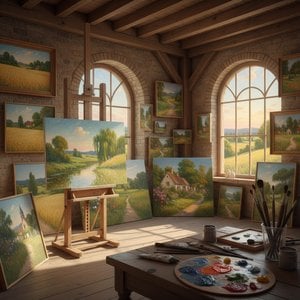
Discover the profound tranquility of rural art through an expert exploration of Impressionist landscapes. From pastoral scenes to textured oil masterpieces, learn how timeless nature-inspired artworks bring enduring elegance and serenity to sophisticated collectors.

Explore the profound beauty of village scene art. From Impressionist light to pastoral realism, discover how timeless landscapes capture nostalgia through expert artistry and historical depth. Perfect for collectors seeking evocative, museum-quality landscape inspirations.


 プレビュー
プレビュー
 シェアする
シェアする シェアする
シェアする
 詳細を見る
詳細を見る ガイド
ガイド

 ダウンロード
 似ている作品
 X線調査
X線調査 スライドショー
 統計情報
統計情報 詳細を見る
詳細を見る









 ガラスオプションは、110cm未満のサイズでのみご利用いただけます。


