


このページに掲載されている作品は著作権法によって保護されており、当社の許可なく同一の複製物を制作または販売することは法律で禁じられています。この保護は、以下のような国際条約に基づき執行されます。 ベルヌ条約 および、以下の条項に定められたものを含む各国の法律により、 米国著作権法 第17編。
この手法は、著作権で保護された作品の複製や複写を伴わないため、著作権法に完全に準拠しています。これは単なる模倣ではなく、創造的な再解釈です。元の作品からインスピレーションを受けつつも、それとは異なる、全く新しい絵画を生み出すものです。
スピーディーな制作と多彩な仕上げオプションが魅力の、ミュージアムクオリティなジークレー・キャンバスプリント。 ( 手描き複製画を注文する デジタル画像販売へ切り替え)





























作品のオリジナル比率に合わせた、当店の規定サイズからお選びください。

額縁や壁のスペースに合わせて、ご希望の幅と高さを入力してください。プリントはカットすることは可能ですが、元の画像より大きくすることはできないため、異なる比率のサイズを選択された場合は、画像の一部が欠けることになります。印刷を開始する前に、内容を確認していただくためのデジタルモックアップをお送りいたします。このページに表示されている画像は、実際のカット後の状態を示すものではありません。実際の仕上がりはモックアップにてご確認ください。
Cuenca
複製画サイズ一覧
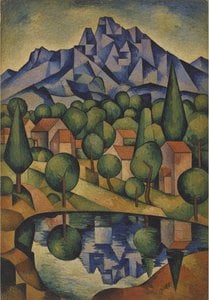
In his 1934 masterpiece, Cuenca, David Bomberg invites the viewer into a profound meditation on solitude and the enduring resilience of life amidst the overwhelming grandeur of nature. This oil on canvas transcends a mere topographical record of a Spanish hillside; it is an evocative window into a landscape where human presence and geological majesty exist in a delicate, poetic tension. The painting captures a panoramic view of a town nestled precariously yet harmoniously upon a rugged slope, where humble dwellings are scattered like quiet thoughts across the vast, undulating terrain. Through his masterful command of the medium, Bomberg distills the essence of this mountainous vista, offering an experience that is as much about emotional depth as it is about visual splendor.
The composition is anchored by a sense of monumental scale, with towering mountains dominating the horizon and creating a backdrop of immense power. In the foreground, trees punctuate the view, providing essential textural contrast and guiding the eye into the expansive scene. The sky, draped in soft, cloudy layers, lends an atmospheric weight to the work, suggesting the shifting moods of a mountain climate. This deliberate framing creates a captivating dialogue between the intimacy of the human settlement and the infinite scale of the natural world, fostering a contemplative space where themes of permanence and vulnerability intertwine.
Rooted in the transformative principles of Modernism, Cuenca showcases Bomberg’s sophisticated engagement with the legacies of Cubism and the structural insights of Cézanne. The artist employs a technique that prioritizes geometric simplification and multiple perspectives to sculpt spatial depth within the landscape. Rather than relying on rigid outlines, he utilizes loose, expressive brushstrokes that capture the very dynamism of the mountain air, imbuing the scene with a palpable sense of movement and life. This fluid application of paint allows the forms of the mountains and buildings to emerge organically from the canvas.
The color palette is masterfully restrained, leaning toward muted, earthy tones—predominantly rich browns and deep greens—that reflect the subdued, soulful hues characteristic of an autumnal landscape. Bomberg’s skillful use of tonal gradations allows him to define mass and volume, creating a sense of "the artist's consciousness of mass." This approach ensures that every element, from the smallest stone structure to the most distant peak, possesses a physical presence that feels both grounded and ethereal. For the discerning collector or interior designer, this work offers a sophisticated interplay of texture and tone, making it a timeless addition to any curated space.
To understand Cuenca is to understand a pivotal moment in Bomberg’s artistic evolution. Created during a period when the artist was moving away from the radical, fractured geometries of his earlier Cubo-Futurist years, this work represents a return to an aesthetic rooted in nature and organic form. The trauma of the First World War and the subsequent shift toward a more figurative, landscape-driven style are palpable here; there is a search for the sublime within the natural world that replaces the mechanical fervor of his youth. The painting reflects a period of profound transition, where the artist sought to realize the poetry found in mankind's contemplation of nature.
The emotional impact of the piece lies in its ability to evoke a sense of quiet awe. It is a work that speaks to the heart of anyone moved by the beauty of the untamed world and the quiet strength of those who inhabit it. Whether viewed as a study of light and shadow or as a symbolic representation of human endurance, Cuenca remains a visually arresting composition. For those seeking to bring a sense of historical depth and tranquil majesty into their surroundings, this reproduction serves as a powerful testament to Bomberg’s ability to capture the very breath of the landscape.
「Cuenca」の作者はデビット・ボンバーグで、制作年は1934年です。
原画デビット・ボンバーグ作「Cuenca」のサイズは32 x 40 cmです。
「Cuenca」は、WallArtの作品です。

ポーランド系ユダヤ人の移民であるアブラハムとレベッカ・ボンバーグの間に生まれたデビッド・ボムバーグは、当初シティ・アンド・ギルド技術美術学校で学び、その後バーミンガムでリトグラフ職人としての修行を積みました。
ウェストミンスター美術学校(1908-1910年)ではウォルター・シカートに師事し、形態や都市生活に焦りと置くシカートの作風に深い影響を受けました。また、1910年のロジャー・フライによる展覧会「マネとポスト印象派」を通じてポール・セザンヌの芸術に触れたことは、彼の表現における重要な転換点となりました。その後、スレイド美術学校(1911年)へ進み、同級生であったアイザック・ローゼンバーグを描いた素描でトーンクス賞を受賞するなど、その才能を現しました。
第一次世界大世紀における一兵卒としての過酷な経験は、彼の芸術的ヴィジョンに計り知れない影響を与え、抽象表現からの脱却を促すこととなりました。
1920年代に入ると、ボムバーグはより具象的なスタイルへと舵を切り、自然から直接汲み取った肖像画や風景画に焦点を当て始めます。そこでは、質感豊かなインパスト(厚塗り)と感情の強烈さを特徴とする、ますます表現主義的な技法が磨かれていきました。
中東(特にパレスチナ)やヨーロッパへの広範な旅も、彼の後年の作品に決定的な影響を及ぼしました。とりわけ、彼が描き出したエルサレムの情景は、特筆すべき美しさを湛えています。

1890 - 1957 , イギリス

Explore 25 iconic Spanish Baroque masterpieces by Zurbarán. Discover the soul of Tenebrism on WahooArt.com.

Discover the profound alchemy of art. Explore how masters transform raw emotion into timeless masterpieces through light, color, and texture. Elevate your collection with expert insights into the soul of fine art and the enduring beauty of Impressionist techniques.

Explore the profound connection between landscape painting and the sublime through art history. Discover the masters of awe today.

Journey through the revolutionary world of Paul Cézanne. Explore 25 iconic Post-Impressionist masterpieces, from his structural landscapes to timeless still lifes. Find inspiration for museum-quality art reproductions and decor. Discover all masterpieces on WahooArt.com.
Explore the profound legacy of Paul Cézanne. Discover how his mastery of geometric forms and vibrant color bridged Impressionism and Cubism, offering timeless inspiration for fine art collectors and enthusiasts seeking to understand the foundations of modern art.
 設置イメージを表示
 シェアする
シェアする シェアする
シェアする
 詳細を見る
詳細を見る ガイドを表示

 ダウンロード
 似ている作品
 X線調査
X線調査 スライドショーを表示
 Q&A
Q&A
 統計情報
統計情報


 詳細を表示
詳細を表示









 ガラスオプションは、110cm未満のサイズでのみご利用いただけます。


