
プレビュープレビュー ARで試着ARで試着 Switch to Print Switch to Print手描きの絵画を購入 手描きの絵画を購入 シェアするシェアする
詳細を見る詳細を見る お気に入りに追加 お気に入りに追加 ダウンロードダウンロード 似ている作品似ている作品 X線調査X線調査 スライドショースライドショー StatsStats

Farmyard with a Beggar

Experience the naturalism of Cornelis van Dalem's 16th-century Flemish genre scene, Farmyard with a Beggar; discover this masterpiece of rural life today.

Cornelis van Dalem (1528-1573) was a Flemish Renaissance painter who pioneered new themes in landscape art, influenced by his humanistic education. Known for innovative compositions like 'The Dawn of Civilization' and striking rock formations, he col

オンラインプレビューをはるかに凌ぐ、高解像度で鮮明なデジタル画像をご購入いただけます。

各ファイルは、社内の専門家が高度なツールと熟練した手作業によるレタッチを用いて、細心の注意を払って準備されています。すべての画像において、卓越した鮮明度、正確な色彩再現性、そして繊細なディテールを保証いたします。

最終ファイルは、プロフェッショナルな編集・印刷環境ですぐにご利用いただけるよう最適化された状態で、72時間以内にメールにてお届けいたします。これは、一流のデザインスタジオ、出版社、ギャラリーから信頼されているものと同等の品質です。

デジタルアート

個人での鑑賞、印刷、クリエイティブなプロジェクト用に、高解像度ファイルをダウンロードできます。 (Switch to Print Switch to Print手描きの絵画を購入 手描きの絵画を購入)

最終合計金額

$ 24.90

デジタル画像のご注文に付随する特典

高品質なデジタル画像配信を、確かな品質で。

WahooArt.com を選ぶことは、単に画像を手に入れることではありません。それは、プロの手によって精密に仕上げられ、満足保証が付いた高品質なデジタルアートワークを受け取ることを意味します。ご注文いただいた際に自動的に付随する内容は、以下の通りです:

shipping_icon
メールですぐにお届け

ご注文から72時間以内に、高解像度のデジタル画像ファイルがメールでお手元に届きます。すぐにそのままご利用いただけます。

canvas_icon
AI技術で最適化されたデジタルファイル

お客様の作品は、高度なAIツールと専門家による手作業の編集を組み合わせてプロフェッショナルに最適化されており、細部のディテール、鮮明さ、そして正確な色再現性を最大限に引き出しています。

insurance_icon
一生涯無料の再送サービス

ファイルを誤って削除したり、紛失してしまったりしましたか?ご安心ください。いつでも無料で再送いたします。

tax_icon
輸入手数料は一切かかりません

関税や手数料、配送料を気にすることなく、お気に入りのアートワークをすぐにお楽しみいただけます。デジタルダウンロードは常に免税です。

color_icon
色彩再現の保証

プロ仕様のツールとカラーマネジメント技術を用いることで、デジタル画像が元の色を最大限に忠実に再現することを保証いたします。

return_icon
100日間満足保証

ご購入いただいたデジタル画像にご満足いただけない場合は、100日以内であれば、理由を問わず修正または100%の返金対応をさせていただきます。

guarantee_icon
100% 返金保証

ご満足いただけない場合は、デジタルファイルを受け取ってから100日以内であれば、理由を問わず全額返金いたします。

discount_icon
まとめ買い割引

3枚購入で10%OFF - 5枚購入で15%OFF - 10枚以上購入で20%OFF。クリエイティブなプロジェクト、ギャラリー、エージェンシーに最適です。

作品詳細

  • Subject or theme: Rural life, genre scene
  • Movement: Northern Renaissance
  • Dimensions: 38 x 52 cm
  • Artist: Cornelis van Dalem
  • Medium: Oil
  • Notable elements or techniques: Intricate composition, use of light/shadow
  • Year: 1560

アート・クイズ

各質問の正解は1つだけです。

問題 1:
What artistic movement is Cornelis van Dalem primarily associated with?
問題 2:
In which museum is “Farmyard with a Beggar” currently housed?
問題 3:
What stylistic characteristic defines Cornelis van Dalem's approach to landscape painting?
問題 4:
The painting depicts a scene featuring what prominent element?
問題 5:
What is the symbolic significance of the beggar figure in “Farmyard with a Beggar”?

A Glimpse into 16th Century Flemish Life

To stand before Cornelis van Dalem's Farmyard with a Beggar is to be transported across the centuries, directly into the heart of rural Flanders in the year 1560. This oil masterpiece, currently gracing the halls of the Musée du Louvre, is far more than a mere depiction of farm life; it is a richly textured tableau vivant, capturing the rhythm and quiet dignity of everyday existence. Van Dalem, a pivotal figure in the burgeoning landscape art movement of the Low Countries, possessed an unparalleled gift for rendering the mundane with profound artistry. His style is steeped in naturalism, compelling the viewer to examine every fold of cloth, every weathered stone, and every leaf cast by the sheltering tree.

Mastery of Light, Shadow, and Earth Tones

Technically, the painting is a breathtaking study in tonal harmony. Van Dalem employs a subdued palette dominated by rich earth tones—ochres, deep siennas, and muted greens—that lend the entire scene an immediate sense of rustic warmth. Observe how the artist manipulates light; it does not simply illuminate, but rather sculpts the space. The interplay between deep shadow and dappled sunlight creates an astonishing depth, giving the farmyard a palpable dimensionality that seems ready to breathe. This meticulous attention to texture, from the rough-hewn wood of the buildings to the soft drapery of the figures' garments, speaks volumes about his virtuosity as a painter.

The Humanism and Symbolism of the Scene

At the core of this captivating composition lies its narrative weight. The gathering under the tree suggests community, while the presence of the beggar—the title’s poignant focus—introduces an element of human struggle against the backdrop of agricultural bounty. This juxtaposition is key to understanding the painting's deeper resonance. In the context of 16th-century Humanism, such scenes often served as meditations on the cycle of life, nature's enduring power, and the varied fortunes of humanity. The farmyard itself becomes a potent symbol for sustenance and the continuity of life, grounding the viewer in both the material reality and the spiritual contemplation.

Bringing History Home: Reproduction for the Modern Collector

For those who wish to invite this historical depth into the intimacy of their own home or studio, reproductions of Farmyard with a Beggar offer an unparalleled opportunity. Owning a piece inspired by Van Dalem’s technique allows one to connect directly with the aesthetic sensibilities of the Northern Renaissance. Whether adorning a formal drawing-room or lending rustic elegance to a country setting, these hand-painted oil reproductions capture not just the image, but the very spirit—the quiet contemplation and enduring beauty—that made this original work so timeless.

作家の略歴

Cornelis van Dalem: Pioneer of Landscape Art and Humanistic Vision

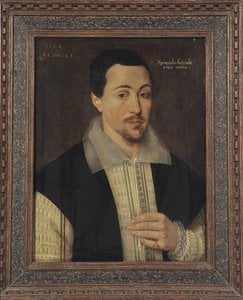
Cornelis van Dalem (1528-1573) stands as a pivotal figure in the burgeoning landscape art movement of the Low Countries during the mid-16th century. Though biographical details remain scarce, his impact on artistic innovation is undeniable—he fundamentally reshaped how artists depicted nature and imbued their canvases with humanist ideals that resonated deeply within the intellectual currents of his time. Born in Antwerp, Belgium, van Dalem descended from a noble lineage tracing back to Tholen, where his father operated as a cloth merchant and held a prominent position within the city’s chamber of rhetoric. This upbringing fostered a rich cultural environment, nurturing both Cornelis and his elder brother Lodewijk with a humanist education that would profoundly influence their artistic pursuits.
  • Early Training & Guild Membership: Van Dalem began his artistic apprenticeship around 1543 under the tutelage of Jan Adriaensens, establishing himself as a master in the guild of Saint Luke in 1556. Notably, he married Beatrix van Liedekercke that same year, securing a comfortable financial position despite eschewing painting as his primary occupation—he remained a merchant throughout his life.
  • A Merchant Painter: Unlike many artists of his era who relied on patronage for sustenance, Cornelis van Dalem possessed considerable wealth and pursued art as a personal passion. This independence allowed him to invest in ambitious projects like the decoration of his Antwerp residence—a breathtaking spectacle featuring a monumental façade adorned with sculptures depicting Minerva and Mercury alongside busts of Durer and Jan van Eyck, proclaiming their artistic prestige.

Innovative Landscape Painting Techniques & Influences

Van Dalem distinguished himself from his contemporaries by introducing groundbreaking approaches to landscape painting. Rejecting the prevailing Mannerist style’s stylized representations, he embraced a more realistic depiction of natural forms—particularly rock formations—drawing inspiration from humanist scholarship and philosophical contemplation. He meticulously observed geological features, capturing their textures and contours with remarkable accuracy. This dedication to observation was further bolstered by his exposure to the artistic ideas circulating in Europe during this period, notably those championed by Albrecht Dürer and Jan van Eyck, whose mastery of detail served as a guiding influence. His work embodies a humanist spirit—a belief in human reason and understanding—that sought to elevate art beyond mere decorative embellishment.
  • Notable Works: Among his most celebrated compositions are ‘The Dawn of Civilization,’ a monumental panoramic landscape showcasing the grandeur of the natural world, and numerous depictions of dramatic rockscapes—particularly those found in Belgium and France. These paintings exemplify van Dalem’s commitment to capturing the sublime beauty of nature.
  • Collaboration & Mentorship: He collaborated closely with Bartholomeus Spranger, a fellow artist who served as his pupil from 1560 to 1564. While Spranger's training focused on artistic craftsmanship—keeping his studio tidy—van Dalem instilled in him a broader appreciation for the intellectual dimensions of art.

Legacy & Historical Significance

Cornelis van Dalem’s contribution to landscape art transcends mere stylistic innovation; he fundamentally altered the artistic agenda. By prioritizing observation and incorporating humanist principles into his depictions of nature, he ushered in a new era of artistic expression—one that prioritized intellectual engagement alongside aesthetic beauty. His work stands as a testament to the transformative power of humanism during the Renaissance and cemented Antwerp’s reputation as a center for artistic experimentation. He remains an artist whose legacy continues to inspire admiration for his pioneering vision and unparalleled skill.
Cornelis van Dalem

Cornelis van Dalem

1528 - 1573 , Belgium

プロフィール概要

  • Artistic Movement Or Style: Northern Mannerism
  • Artists Or Movements Influenced By This Artist: ['Bartholomeus Spranger']
  • Artists Who Influenced This Artist: ['Jan Adriaenssens']
  • Date Of Birth: Antwerp, Belgium (1528)
  • Date Of Death: 1573
  • Full Name: Cornelis van Dalem
  • Nationality: Flemish
  • Notable Artworks:
    • The Dawn of Civilization
    • Landscape with Shepherd
  • Place Of Birth: Antwerp