このページに掲載されている作品は著作権法によって保護されており、当社の許可なく同一の複製物を制作または販売することは法律で禁じられています。この保護は、以下のような国際条約に基づき執行されます。 ベルヌ条約 および、以下の条項に定められたものを含む各国の法律により、 米国著作権法 第17編。
この手法は、著作権で保護された作品の複製や複写を伴わないため、著作権法に完全に準拠しています。これは単なる模倣ではなく、創造的な再解釈です。元の作品からインスピレーションを受けつつも、それとは異なる、全く新しい絵画を生み出すものです。
スピーディーな制作と多彩な仕上げオプションが魅力の、ミュージアムクオリティなジークレー・キャンバスプリント。 ( 手描きの複製画を注文する デジタル画像販売へ切り替え)
作品のオリジナル比率に合わせた、当店の規定サイズからお選びください。

額縁や壁のスペースに合わせて、ご希望の幅と高さを入力してください。プリントはカットすることは可能ですが、元の画像より大きくすることはできないため、異なる比率のサイズを選択された場合は、画像の一部が欠けることになります。印刷を開始する前に、内容を確認していただくためのデジタルモックアップをお送りいたします。このページに表示されている画像は、実際のカット後の状態を示すものではありません。実際の仕上がりはモックアップにてご確認ください。
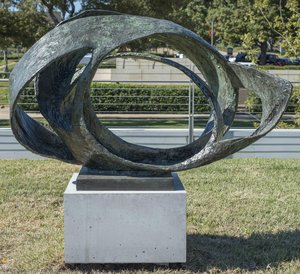
Mlle. Pogany II
複製画サイズ一覧
In the realm of modern sculpture, few works possess the ethereal magnetism of Mlle. Pogany II. Created in 1920 by the Romanian master Constantin Brâncuși, this exquisite piece serves as a profound testament to the power of simplification. At first glance, the viewer is met with a silhouette that seems to transcend the physical weight of its medium, offering instead a fluid, rhythmic grace. While many artists of the early 20th century were preoccupied with the intricate anatomical details of the human form, Brâncuși sought something far more elusive: the spiritual essence of his subject. Through a masterful reduction of detail, he captures not just a likeness, but an aura, inviting the observer into a meditative dialogue with pure shape and light.
The sculpture is a triumph of technique and material choice, rendered in a striking gold finish that catches the light with every subtle movement of the eye. This use of gold does more than provide a luxurious luster; it imbues the work with a divine, almost sacred quality, reminiscent of the Byzantine icons and Romanian folk traditions that deeply informed Brâncuși’s early sensibilities. The smooth, polished surfaces act as mirrors for the surrounding environment, allowing the piece to breathe and change alongside the light of the room. For the discerning collector or interior designer, this interplay between the sculpture's metallic sheen and its minimalist geometry makes it a versatile centerpiece, capable of anchoring a contemporary gallery space or adding a touch of timeless sophistication to a classic study.
To understand Mlle. Pogany II is to understand the seismic shift Brâncuși brought to the art world. Moving away from the heavy, academic realism of the past, he pioneered a language of abstraction that would define the 20th century. This particular work sits at a pivotal moment in his career, where his fascination with organic smoothness began to merge with a highly stylized, almost geometric precision. The sculpture does not merely represent a woman; it represents the concept of beauty itself—stripped of the ephemeral and reduced to its most permanent, indestructible form. It is this pursuit of the "essential" that gives the piece such enduring emotional impact.
For those looking to integrate such a masterpiece into their personal collections, a high-quality reproduction offers a rare opportunity to live with the spirit of modernism every day. The sculpture’s compact dimensions—measuring approximately 19 x 43 cm—allow it to command attention on a mantel, a desk, or a curated bookshelf without overwhelming the space. It serves as a constant reminder of the beauty found in restraint and the profound strength found in simplicity. Owning a piece that echoes Brâncuși’s genius is not merely about decoration; it is about surrounding oneself with an object of deep intellectual and aesthetic resonance.
「Mlle. Pogany II」は、Modern時代に制作されたものです。
コンスタンティン・ブランクーシ作「Mlle. Pogany II」は、明部と暗部の間にStatementなコントラストを描き出しています。
「Mlle. Pogany II」の形式はPortraitで、原寸は19 x 43 cmです。どちらの情報も、複製を作成する際の参考になります。

コンスタンティン・ブランクーシは、近代彫刻の歴史における不朽の巨匠として君臨しています。形態への画期的なアプローチと、芸術的表現をその最も純粋な本質へと凝縮しようとした揺るぎない献身により、彼は世界的な名声を得ました。1876年、ルーマニアのハダラマシュに生まれたブランクーシは、慎ましい出自から抽象芸術の先駆者へと至る驚異的な旅を歩みました。彼の初期の感性は、ルーマニアの伝承や神話の質感に深く根ざしており、その基盤が有機的な形態や象徴的表現への生涯にわたる深い造詣を育みました。この自らのルーツとの繋がりは、後に彼の芸術的ビジョンへと浸透し、同時代の作家たちの純粋に機械的な抽象化とは一線を画す、精神的な深みを作品に与えることになったのです。
ブランクーシのキャリアの軌跡は、1906年から1914年にかけてのパリ滞在中に劇的な変貌を遂げました。勃興しつつあったアヴァンギャルドの舞台に身を置き、「エコール・ド・パリ」の活気あるエネルギーと交わることで、彼はより簡略化された形態へと向かう対話を深めていきました。初期の試みには、写実主義への真摯な取り組みを示すルーマニアン・ペイザント(農民)を描いた肖像彫刻などの具象作品も含まれていましたが、彼はやがて自身の代表的な様式である「精神的な抽象」の追求へと決定的に舵を切りました。ブランクーシは、「私は目に見えるものを彫る。しかし、同時に夢見るものをも彫るのだ」という有名な言葉を残していますが、この信念こそが、装飾よりも形態を優先させ、簡略化された幾何学的な形状を通じて普遍的な概念を捉えようとする原動力となったのです。
ブランクーシの天才性は、大理石、ブロンズ、木材といった多様な素材を操り、深い感情的反応を呼び起こす能力にありました。彼の技法は単なる彫刻や鋳造の技術にとどまらず、素材の中に潜む魂を露わにすることに本質がありました。例えば『接吻』においては、磨き上げられたブロンズによって絡み合う二人の姿を優美に描き出し、塊のような原始的な簡潔さの中に、親密さと時代を超越した美を宿した傑作を生み出しました。重厚さと優雅さを両立させるこの能力は、より空想的な作品においても同様に見ることができます。
動きと超越への探求は、『空間の鳥』シリーズにおいてその頂点に達しました。上昇する曲線と繊細なバランスを特徴とするこれらの彫刻は、鳥の飛翔を空力学的に表現したものであり、人間の憧憬や魂の上昇を象徴しています。また、ブランクーシは天上的なものだけでなく、地上的で静謐なものの中にも深い意味を見出していました。ミニマルな大理石を用いた『白人黒人女性 II』では二元性と静けさを体現し、黄金色の輝きを放つブロンズの『眠れるミューズ II』では、滑らかで途切れることのないラインを通じて、深い安らぎの感覚を捉えています。
コンスタンティン・ブランクーシの歴史的な重要性は、いくら強調してもしすぎることはありません。彼は彫刻という表現の境界そのものを再定義した先駆者でした。余分なものを削ぎ落とすことで、彼は20世紀における抽象芸術の道筋を切り拓いたのです。彼の及ぼした影響は、以下のような主要な芸術的展開の中に見て取ることができます。
究極的に、ブランクーシが遺したものは「深遠なる簡略化」です。彼は単に物体を作ったのではありません。静かな力強さと精神的な明晰さを湛え、今なお響き続けるモダニズムのアイコンを創り出したのです。美の本質への献身を通じて、彼は現代美術の風景を一変させ、その生涯中と同様に、今日においてもなお生命力に満ち、人々の心を揺さぶる作品群を後世に残しました。

1876 - 1957 , ルーマニア

Discover the enduring allure of bronze sculptures at WahooArt.com. From classical lost-wax casting to modern metal masterpieces, explore museum-quality artworks designed to elevate luxury interiors. Expert curation, authenticity guaranteed, and worldwide shipping for discerning collectors.

Discover the enduring elegance of bronze sculpture. From ancient Roman strength to Art Deco sophistication, explore our expert guide on collecting, casting techniques, and integrating timeless metal masterpieces into your fine art collection.

Discover the enduring allure of bronze sculpture. From the intricate lost-wax process to Neoclassical masterpieces, our expert guide offers connoisseurs deep insights into evaluating patina, historical significance, and integrating metal fine art into sophisticated collections.

 送る
送る シェア
シェア
 詳細情報
詳細情報 ガイドを表示

 画像をダウンロード
 似ている作品
 スライドショー
 Q&A
Q&A 統計情報
統計情報


 続きを読む
続きを読む






































 ガラスオプションは、110cm未満のサイズでのみご利用いただけます。