

 Oil On CanvasWallArtBarbizon School
 19th Century
 161.0 x 130.0 cm
 国立カルオステ・ギルベンキアン美術館
当社のアーティストが、お客様のご希望のサイズと額縁に合わせて、キャンバスに手描きで制作する油彩画です。 ( プリント版に切り替え デジタル画像販売へ切り替え)





























作品のオリジナル比率に合わせた、当店の規定サイズからお選びください。

フレームや壁のスペースに合わせて、ご希望の幅と高さを入力してください。本作品は手描きのため、異なる比率のサイズをご希望の場合、絵画の周囲を少し広げて描くか、あるいは端を少しカットして調整することが可能です。お客様のご要望に合わせます。制作を開始する前に、仕上がりを確認するためのデジタルモックアップをお送りいたします。このページに表示されている画像は完成品の実物ではなく、あくまでモックアップによるイメージです。
The Angler
複製画サイズ一覧
The scene unfolds like a cherished memory, capturing a moment of profound stillness amidst the gentle activity of life. In The Angler, Constant Troyon invites us to pause our hurried modern pace and simply observe. Before us lies a pastoral tableau: a meandering river reflecting the soft light of an unknown day. At the heart of this composition stands the solitary figure of the angler, his posture suggesting patience—a virtue as timeless as the flowing water itself. The surrounding landscape is rich with verdant tones, framed by distant trees that whisper tales of countryside tranquility. It is a scene steeped in the quiet dignity of nature's embrace.
Troyon’s technique here speaks to his deep roots as an artist trained not only in the meticulous detail of porcelain decoration but also in the expansive sweep of landscape painting. Observe how the brushwork guides the eye: from the foreground where the figures gather near the water's edge, to the more distant elements that suggest depth and endless possibility. The inclusion of other figures, some closer to the bank and others further afield, lends a sense of community without ever becoming chaotic. These human interactions are subtly woven into the natural tapestry. Furthermore, the presence of two horses—one anchoring the center, the other drifting toward the right—adds an element of rustic grandeur, grounding the pastoral setting with palpable life.
Painted during a period when landscape art was reaching new heights of emotional resonance, The Angler reflects a broader cultural yearning for escape. For Troyon, whose early life connected him to the refined arts of Sèvres porcelain, this painting represents a beautiful synthesis: the precision learned in ornamentation applied to the boundless freedom of nature. While the specific historical context remains wonderfully ambiguous, the feeling evoked is one of enduring leisure—a gentlemanly pursuit far removed from the bustle of urban existence. It speaks to an idealized vision of country life cherished by artists and collectors alike.
Beyond its visual beauty, the painting resonates with deeper symbolism. The act of fishing itself is a potent metaphor for patience—the understanding that the greatest rewards often require quiet waiting and unwavering attention. The river symbolizes the relentless passage of time, while the grouping of people suggests shared human experience against the backdrop of nature's constancy. For those who find solace in contemplation or value the connection between humanity and the wild, this artwork offers a visual balm. Reproducing this piece allows one to bring that same sense of peaceful contemplation into a modern interior space.
To acquire a reproduction of The Angler is to invite a curated moment of peace into your home or studio. The rich, earthy palette and the masterful composition make it an exceptional focal point for any room seeking an air of cultivated calm. It appeals equally to the collector who appreciates historical technique and the designer who seeks evocative, narrative art. Let this painting serve as a daily reminder to slow down, observe the details around you, and find beauty in the quiet rhythm of life.
コンスタン・トロワヨン作「The Angler」の色使いは、Unified Paletteな調和を見せています。ここでの「調和」とは、色彩同士が互いにどのように響き合っているかを表しています。
Barbizon Schoolの作品「The Angler」は、フランス出身のアーティストによって制作されました。
コンスタン・トロワヨン作「The Angler」の技法はOil On Canvasで、記録されているサイズは161 x 130 cmです。

コンスタント・トロワヨンは、1810年にフランスのセーヴルで生まれました。彼の幼少期は、両親が働いていたセーヴルの陶磁器工房との深い関わりの中で育まれました。工房は芸術的な才能を尊重する環境であり、トロワヨンの芸術への情熱を育む土壌となりました。彼は若い頃から工房で装飾家として働き始め、精密な陶磁器の装飾技術を磨きました。この訓練を通して培われた細部への鋭い観察眼と正確性は、後の彼の絵画スタイルに大きな影響を与えることになります。
21歳になるとトロワヨンは全国を旅し、経済的な余裕がある限り風景画に専念しました。これらの旅は彼にとって貴重な経験となり、多様な環境への触れ合いをもたらしました。資金が不足すると、彼は再び陶磁器の装飾に戻り、芸術的野心を支えるための現実的なアプローチを示しました。その後、カミーユ・ロックプランから指導を受け、ローソーやジュール・デュプレといった著名なバルビゾン派の画家たちを紹介されました。当初は彼らのスタイルに影響を受けていましたが、トロワヨンは独自の表現を確立していくことになります。
1846年のオランダへの旅行は、トロワヨンの芸術的発展における重要な転換点となりました。パウルス・ポッターの『若い雄牛』やキュープ、レンブラントの傑作に触発され、彼は動物画の世界へと足を踏み入れ、自身の天職を見つけました。この経験は彼のスタイルに大きな変化をもたらし、純粋な風景画から自然環境の中の動物を描くことに焦点を移しました。オランダ絵画の写実主義と動物の本質を捉えるという姿勢はトロワヨンの芸術的ビジョンを形成する上で深く影響を与えました。
彼は動物たちをありのままに、躍動感あふれる姿で描くことに情熱を注ぎました。単なる外見だけでなく、その性格や行動までも表現しようと試みました。トロワヨンは、動物たちの生命力と自然との調和を見事に捉え、独自のスタイルを確立していきました。
トロワヨンの作品は、その信実性によって特徴づけられます。彼は動物たちを自然でダイナミックな状態で描き出し、単なる姿だけでなく、その性格や行動までも表現しようと努めました。美術評論家のアルベール・ヴォルフは、トロワヨンが動物に命を吹き込み、魅力的な風景を作り出す能力を称賛しました。彼は、動物たちの息遣いや自然の情景を鮮やかに描き出し、見る者に感動を与えました。
成功を収めたにもかかわらず、トロワヨンは自身の業績に対してある程度の懐疑心を抱いていました。これは彼の謙虚で内省的な性格を反映したものでしょう。彼は生涯を通じて多くの栄誉を受け、レジオン・ドヌール勲章やパリサロンでの五つのメダルを受賞し、その才能が広く認められました。ナポレオン3世も彼の顧客の一人であり、当時の主要な芸術家としての地位を確固たるものとしました。
しかし、成功はトロワヨンの精神的な健康に影響を与え、1865年に彼は不遇の末に亡くなりました。それでも、彼の作品は後世に大きな影響を与え続け、動物画の分野において重要な位置を占めています。
トロワヨンの代表的な作品の多くは1850年から1864年の間に制作されました。それ以前の作品は、オランダ絵画の影響を受けたスタイルが確立される前のものであり、重要性は低いと考えられています。『ノルマンディーのトゥック渓谷』は彼の天才を示す好例であり、風景の美しさとそこに生息する動物たちの活力を両方とも捉える能力を示しています。彼は、自然と動物との調和を鮮やかに描き出し、見る者を魅了しました。
トロワヨンの遺産には、エコール・デ・ボザール(École des Beaux Arts)における動物画のためのトロワヨン賞が含まれます。これは彼の母が彼の記憶を称え、将来の芸術家たちを奨励するために設立したものです。彼の主要な作品は、グラスゴーのウォレス・ギャラリーやルーブル美術館、メトロポリタン美術館など、世界中の著名なギャラリーに所蔵されています。
トロワヨンはバルビゾン派の重要なメンバーであり、フランスの風景画家たちのグループでした。彼らは屋外での絵画を好み、アカデミックアートで一般的な理想化された表現を避け、現実的な自然のシーンを描くことを重視しました。トロワヨンは当初、他のバルビゾン派のスタイルに従っていましたが、彼の動物画における独自の才能がグループ内でも際立っていました。

1810 - 1865 , フランス
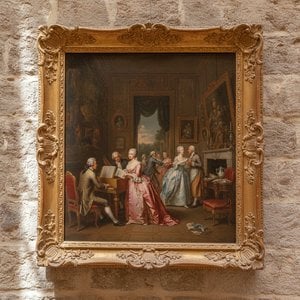
Explore the profound beauty of genre painting. From Dutch Golden Age masters to global traditions, discover how artists capture the essence of everyday life through masterful realism and timeless storytelling.

Discover the profound allure of oil on canvas. Explore the mastery of impasto textures, the science of pigment longevity, and expert guides to selecting museum-quality reproductions that elevate your collection with timeless elegance and tactile depth.

 設置イメージを確認
 送る
送る シェア
シェア
 詳細情報
詳細情報 ガイドを表示

 画像をダウンロード
 似ている作品
 X線調査
X線調査 スライドショー
 統計情報
統計情報 続きを読む
続きを読む









 ガラスオプションは、110cm未満のサイズでのみご利用いただけます。


