
 Acrylic On CanvasWallArtContemporary Realism
 1920
1920 22.0 x 27.0 cm
 Grão Vasco National Museum
迅速な制作と多彩な仕上げオプションを備えた、ミュージアムクオリティのジークレーまたはキャンバスプリント。 ( 手描きの絵画を購入 デジタル画像販売へ切り替え)





























作品のオリジナル比率に合わせた、当店の規定サイズからお選びください。

特定のフレームやスペースに合わせて、ご自身でサイズを指定することも可能です。選択されたサイズが元の画像の比率と一致しない場合、作品をトリミングするか、鏡面反射または単色での塗りつぶしによって画像を拡張いたします。制作を開始する前に、ご確認用のデジタルモックアップをお送りいたします。
画面上のプレビューには、実際のトリミングや拡張は反映されませんのでご注意ください。最終的な構図を正確に確認できるのは、モックアップのみとなります。
カスタムサイズも承っておりますが、元の比率を維持するためには、あらかじめ用意されたリストからサイズを選択することをお勧めいたします。

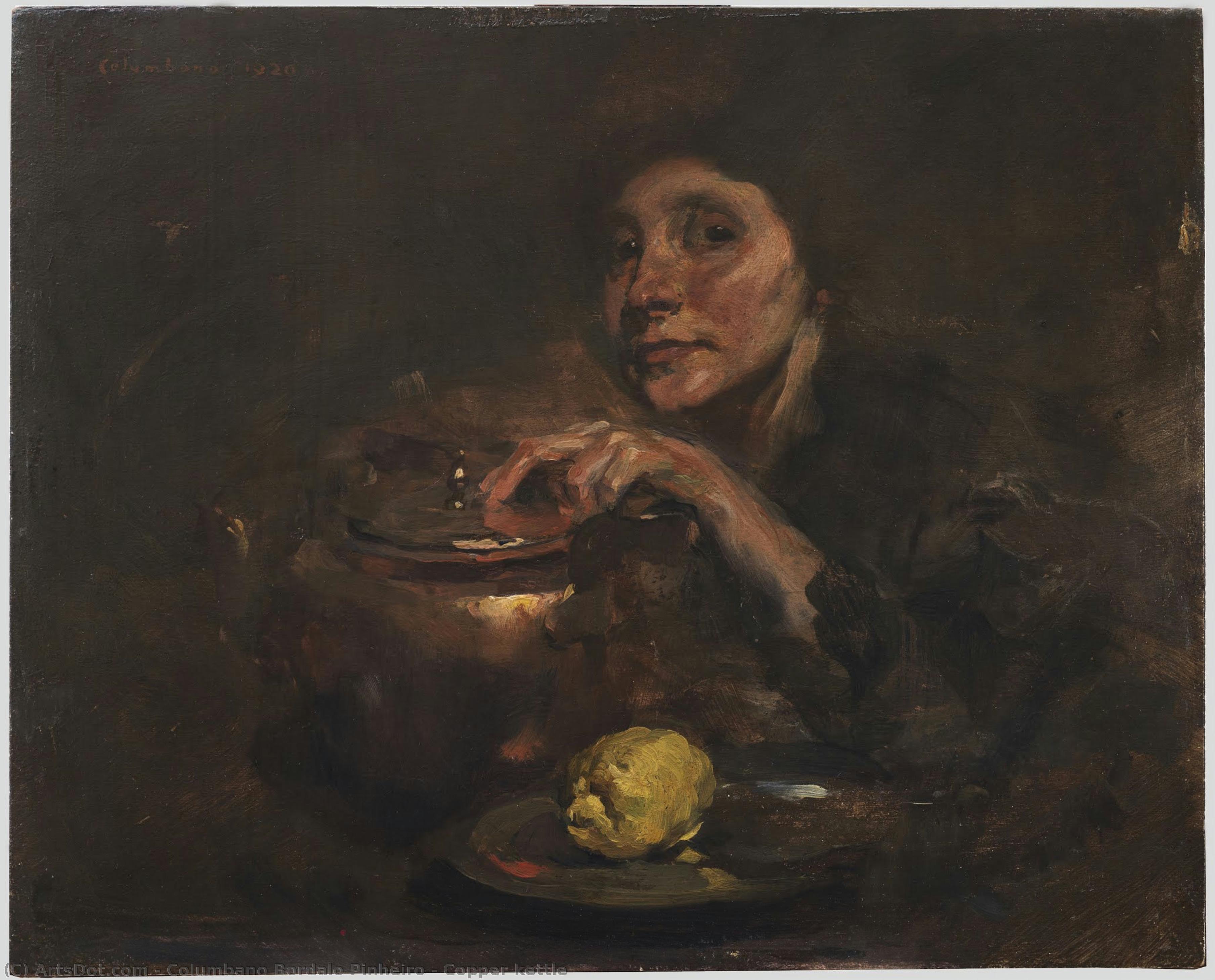
Copper kettle
複製画のサイズ
Columbano Bordalo Pinheiro, Portugal's foremost realist painter of the early 20th century, possessed an extraordinary ability to distill the spirit of his era into meticulously crafted canvases. This striking portrait, completed in 1920 and now housed at Museu Nacional de Arte Contemporânea – Centro Português de Estudos Modernos (MNACM), transcends mere representation; it’s a profound meditation on identity, domestic life, and the enduring influence of Portuguese heritage.
Bordalo Pinheiro skillfully blended elements of Impressionistic luminosity with the observational rigor characteristic of Naturalist painting. The muted palette—dominated by earthy browns and ochres—creates a sense of quiet intimacy, mirroring the subdued tones found in rural Portugal during his lifetime. Brushstrokes are loose yet controlled, capturing subtle nuances of light and texture on the copper kettle itself and subtly illuminating the woman’s face.
The central figure—a woman gazing directly at the viewer—holds a copper kettle in her hands. This seemingly simple object serves as a powerful emblem of Portuguese tradition, representing warmth, sustenance, and familial care. Positioned prominently within the frame, it draws the eye upwards, emphasizing the connection between past and present. Two bowls are delicately placed alongside the woman, adding to the composition’s visual richness and subtly hinting at themes of hospitality and abundance.
Painted during a period of significant social upheaval—marked by industrial growth and urbanization—Bordalo Pinheiro’s work reflects the anxieties and aspirations of Portuguese intellectuals grappling with modernity. Yet, amidst this rapid transformation, he steadfastly championed the values of rural life and craftsmanship, portraying them with unwavering sincerity.
The portrait exudes a palpable sense of quiet dignity—a testament to Bordalo Pinheiro’s masterful psychological insight. The woman's serene expression conveys both resilience and grace, capturing the essence of Portuguese femininity during the Belle Époque. More than just a depiction of an object; it is an evocative exploration of human experience, rendered with breathtaking beauty and imbued with timeless significance.


1857 - 1929 , ポルトガル

Explore the profound elegance of ceramic art. From master glazes to sculptural forms, our expert guide offers discerning collectors deep insights into the mastery, texture, and timeless value of fine ceramics for sophisticated collections and luxury interiors.

 プレビュー
プレビュー
 シェアする
シェアする シェアする
シェアする
 詳細を見る
詳細を見る ガイド
ガイド

 ダウンロード
 似ている作品
 X線調査
X線調査 スライドショー
 統計情報
統計情報 詳細を見る
詳細を見る









 ガラスオプションは、110cm未満のサイズでのみご利用いただけます。


