


スピーディーな制作と多彩な仕上げオプションが魅力の、ミュージアムクオリティなジークレー・キャンバスプリント。 ( 手描き複製画を注文する デジタル画像販売へ切り替え)





























作品のオリジナル比率に合わせた、当店の規定サイズからお選びください。

額縁や壁のスペースに合わせて、ご希望の幅と高さを入力してください。プリントはカットすることは可能ですが、元の画像より大きくすることはできないため、異なる比率のサイズを選択された場合は、画像の一部が欠けることになります。印刷を開始する前に、内容を確認していただくためのデジタルモックアップをお送りいたします。このページに表示されている画像は、実際のカット後の状態を示すものではありません。実際の仕上がりはモックアップにてご確認ください。
Colonel William Leete Stone
複製画サイズ一覧
A single quill pen rests against a stack of papers, its tip poised as if caught in a moment of sudden thought. The light strikes the white linen of a cravat, a sharp contrast against the heavy, dark tones of the background. This is the world of Colonel William Leete Stone, rendered in oil on canvas in 1839. He does not look at the viewer. Instead, his gaze is directed upward and toward the left, toward an unseen idea or a distant conviction. The face is etched with the quiet intensity of a man accustomed to the weight of words and the gravity of public service.
The brushwork is controlled and precise, following the academic realism of the mid-19th century. Every fold in his formal attire and every contour of his skin is defined by a deliberate hand. The shadows are deep, swallowing the edges of the room to push the subject forward into the light. It is a portrait of intellectual focus, where the texture of the fabric meets the smooth, pale skin of the neck in a silent dialogue of light and dark.
The portrait captures more than a likeness; it captures a specific, restless energy. The subject was a man of significant influence in New York, a writer and editor whose life was defined by the pursuit of reform. His presence in the frame suggests a man of action through thought.
History remembers him as a man who campaigned for the abolition of slavery and supported the independence of Greece. He was a man who sought to shape the social fabric of his time, much like the ink he once spilled. The painting holds this tension between the stillness of the pose and the movement of his spirit.
There is a stillness here that feels temporary. The light catches the edge of a hand, a pale shape against the dark void of the room. It is the quiet moment before the next sentence is written, or the moment of reflection after a long day of advocacy. The shadows do not merely surround him; they define the space he occupies, carving his silhouette out of the darkness. The ink is dry, but the intent remains.
ウィリアム・ページ作「Colonel William Leete Stone」の著作権の状態は明確であり、本作はパブリックドメイン(著作権消滅)です。クリーブランド美術館に所蔵されているという事実によって、この状態が変わることはありません。
「Colonel William Leete Stone」の背景には、ウィリアム・ページとAcademic Realism運動があります。
対応するデバイスの拡張現実(AR)機能を使用し、作品のARで見るページから、ご自身の壁にウィリアム・ページ作「Colonel William Leete Stone」をプレビュー表示することができます。

アメリカ合衆国オールバニに生を受けたウィリアム・ページは、多才な絵画画家であり、肖像画の巨匠でもありました。彼の芸術への歩みは、フレデリック・デ・ペイスターの事務所での修行に始まり、その後ジェームズ・ハーリングのスタジオで研鑽を積みました。やがてサミュエル・F・モースの門下となり、全米デザインアカデミーに入学。そこでのデッサンにおいて、古代彫刻のクラスで銀メダルを授与されるという輝かしい成果を収めています。その後、アンドーヴァ神学校とアマス・カレッジにて神学の研究に身を投じるという短い期間を経て、彼は再び芸術の世界へと帰還することとなりました。
ページのキャリアは、ニューヨークとボストンを股にかけ、最終的にはイタリアのフィレンツェとローマに11年もの歳月を過ごすことになります。イタリア滞在中、彼はロバート・ブラウニングやエリザベス・ブラウニングといった著名な人物の肖像画を手掛けました。また、彼は巨匠たちの作品から深いインスピレーションを受けており、特にティツィアーノの絵画技法を解明することに情熱を注ぎました。彼のティツィアーノへの模写は驚くほど見事なもので、ある作品はオリジナルの作品であると誤認され、フィレンツェ当局によって押収されたほどであったといいます。
その長い画業において、ページは極めて幅広い主題を扱い、"ホレブ山におけるモーセとアロン"や"聖家族"といった宗教的な情景から、高名な人物の肖像画に至るまで、多岐にわたる作品を遺しました。彼の肖像画には、以下のような人物の面影が刻まれています。
絵画の才能に留まらず、ページは多才な知識人でもありました。彼は"人体を測定するための新しい幾何学的手法"を著したほか、銃器や船舶の改良に関する特許も取得しています。その後、彼はスタテンアイランドにてその生涯を閉じました。

1811 - 1885 , アメリカ合衆国

Explore the emotional power of Delacroix and French Romanticism through expert analysis. Discover the revolution of color and movement now.

Explore how military art evolved from imperial propaganda to raw realism. Discover the profound human truth behind every brushstroke.

Step into the dramatic world of Gustave Doré. Explore 25 iconic masterpieces of light and shadow, from epic biblical engravings to gothic tales. Find museum-quality art reproductions and timeless decor inspiration. Discover all masterpieces on WahooArt.com.
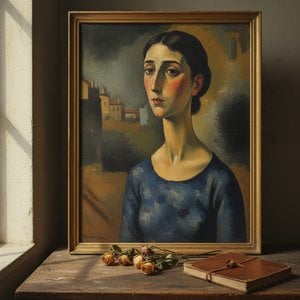
Delve into the haunting beauty of Amedeo Modigliani's portraits. Explore the intersection of Expressionism and Modernism through an expert analysis of his iconic elongated forms, melancholic gazes, and profound influence on art history.
 設置イメージを表示

 シェアする
 シェアする
 詳細を見る
 ガイドを表示


 ダウンロード
 似ている作品
 X線調査
 スライドショーを表示
 Q&A

 統計情報


 詳細を表示









 ガラスオプションは、110cm未満のサイズでのみご利用いただけます。


