アート相談を無料で

x
プリントを購入 プリントを購入画像を 購入する 画像を 購入する シェアするシェアする
詳細を見る詳細を見る お気に入りに追加 お気に入りに追加 ダウンロードダウンロード 似ている作品似ている作品 X線X線 スライドショースライドショー

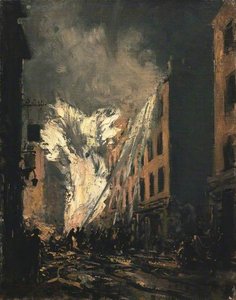
Bootmaking

Admire 'Bootmaking' by Cliff Rowe – a captivating 19th-century painting of London life. Explore realism & social commentary in this hand-painted reproduction (85x165cm).

Discover Cliff Rowe's evocative paintings of London life – from fish shops to factories. Socialist Realism meets New Realism in his powerful social commentary.

手描き油彩複製画

当社のアーティストが、お客様のご希望のサイズと額縁に合わせて、キャンバスに手描きで制作する油彩画です。

P118B $10
P118H $10
P118W $10
P438Z $10
P508JH $12
P508YH $12
P805H $10
P805Z $10
P919BZ $10
P919G $10
P919XJ $10
P959ZH $10
P968JZ $12
W106C $8
W218G $10
W218JH $8
W218Y $10
W307PJ $10
W316G $10
W316PJ $8
W316Y $10
W398PJ $8
W4111J $10
W500HY $15
W500JH $15
W692G $12
W849H $8
W940BG $15
W953PJ $8

Standard
custom
CM
INCH

作品のオリジナル比率に合わせた、当店の規定サイズからお選びください。

高さ

特定のフレームやスペースに合わせて、ご希望のサイズをご入力いただけます。選択されたサイズが元の画像の比率と異なる場合、アートワークをトリミングするか、手描きで要素を追加して絵画を拡張いたします。デジタルモックアップ を制作し、制作開始前にご確認(承認)をいただきます。
画面上のプレビューは、実際のトリミングや拡張を正確に反映しているものではありません。最終的な構図は、モックアップによってのみ正確にご確認いただけます。
カスタムサイズもご利用いただけますが、元の比率を維持するためには、あらかじめ用意されたリストからサイズを選択することをお勧めいたします。

カスタマイズの例:顔をお客様の写真に置き換える、ペットを追加する(例:猫を犬に変更)、背景に隠れたメッセージを入れる、背景の風景や要素を変更するなど。
ご注文後、WahooArt.com チームより詳細な指示をお送りするとともに、仕上がりイメージ(モックアップ)をご提供いたします。

世界中への配送()は、通常の5週間ではなく、3〜4週間でお届けいたします。(7 7月)。品質には一切妥協いたしません。

why_choose_icon
世界中へ無料エクスプレス配送
why_choose_icon
高品質なリネンキャンバス
why_choose_icon
配送時完全保険付
why_choose_icon
関税・輸入税の払い戻し保証
why_choose_icon
忠実な色彩再現保証
why_choose_icon
60日間返品保証(製造上の欠陥のみ)
why_choose_icon
100% 全額返金保証
why_choose_icon
まとめ買い割引のご案内

合計金額

-

reproduction

Bootmaking

複製技法

複製画のサイズ

-

合計金額

-

関連作品


アーティストの略歴

Cliff Rowe (1904–1989): Socialist Realism Meets New Realism

Clifford Rowe was born in Wimbledon, South London, to working-class parents—a formative experience that instilled within him a lifelong commitment to social justice and artistic integrity. Leaving school at fourteen, he pursued his passion for art through Wimbledon School of Art (1918–1920) and the Royal College of Art (1920–1922), where he honed his skills in draughtsmanship and embraced modernist influences. This early exposure to both artistic experimentation and Marxist ideology would profoundly shape his subsequent career trajectory. Rowe’s involvement with communism began during the turbulent 1920s, marked by hunger marches and the devastating Wall Street Crash. Drawn to the Soviet Union's egalitarian ethos and generous patronage of artists—a stark contrast to the capitalist art world—he traveled there in 1930, recognizing that “they did not really need me.” He stayed for eighteen months before returning home, stating he only left due to realizing that "the class struggle was really going on back in England." This conviction fueled his dedication to using art as a tool for social transformation. Inspired by Popular Front ideals and the US John Reed Clubs, Rowe established the Artists International Association (AIA) in 1933—a Marxist collective striving to broaden its appeal beyond strict ideological boundaries. Despite facing pressure from liberal factions during the Cold War, the AIA maintained its commitment to progressive values, producing posters, banners, pamphlets, floats and placards for demonstrations and organizing lectures and exhibitions aimed at disseminating art amongst the populace. This principled stance reflected Rowe’s unwavering belief in the power of art to engage audiences and promote social change. Throughout his artistic career, Rowe prioritized accessibility alongside stylistic innovation. He eschewed the sentimentalism prevalent in Western depictions of labor—a deliberate choice informed by his Marxist convictions—focusing instead on portraying workplace realities with clarity and precision. Employing bold lines and flat areas of color, he captured the essence of industrial processes while avoiding excessive detail. His paintings conveyed the interdependence between workers and machines, presenting figures as calm, purposeful individuals engaged in their tasks—a testament to his belief that art should illuminate social conditions without resorting to didactic pronouncements. Rowe’s artistic output spanned decades, culminating in iconic works like “Cleaning Gas Retorts, St Pancras” (1945) and “St Pancras, Cleaning Yard,” which exemplify his distinctive blend of Socialist Realism and New Realism. These paintings—particularly “St Pancras,” featuring a solitary figure amidst an abstracted landscape—are imbued with symbolic depth and expressivist energy. They capture the anxieties and uncertainties of wartime Britain while simultaneously celebrating the resilience and dignity of ordinary laborers. His enduring legacy resides in his unwavering dedication to artistic integrity and his profound engagement with social issues, cementing his place as one of Britain’s most influential illustrators and socialist artists.
cliff rowe

cliff rowe

1904 - 1988

基本情報

  • Artistic Movement Or Style: Socialist Realism; New Realism
  • Artists Or Movements Influenced By This Artist: ['Popular Front']
  • Artists Who Influenced This Artist: ['John Reed']
  • Date Of Birth: 1904
  • Date Of Death: 1988
  • Full Name: Clifford Rowe
  • Nationality: British
  • Notable Artworks:
    • Cleaning Gas Retorts, St Pancras
    • St Pancras, Cleaning Yard
  • Place Of Birth: Wimbledon, South London