A Symphony of Light and Water: Exploring Monet’s “Untitled (5644)”
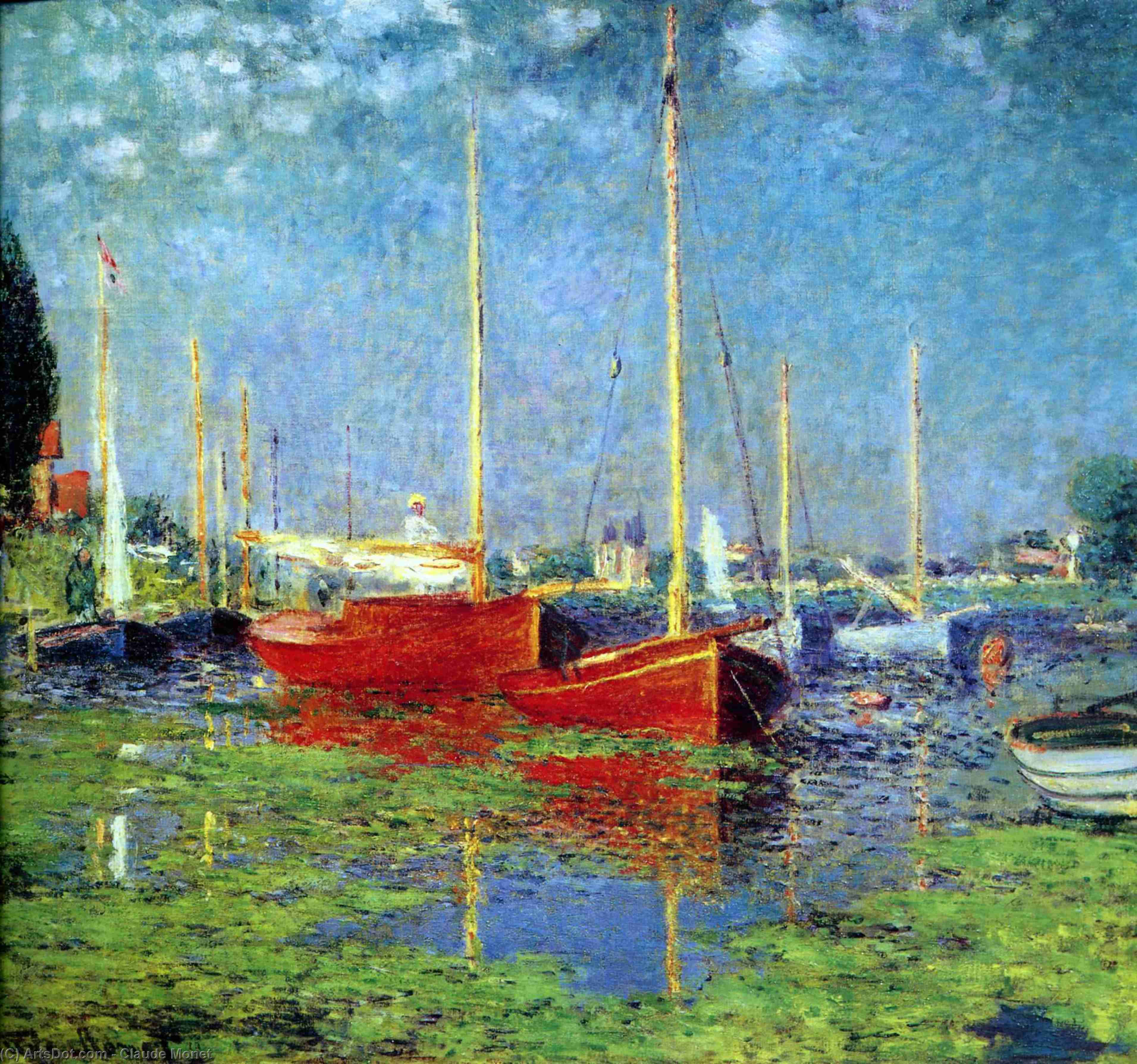
Claude Monet's "Untitled (5644)" is not merely a depiction of boats on the water; it’s an immersion into a fleeting moment, a distillation of light and atmosphere captured with the artist’s signature Impressionistic brushstrokes. This evocative work, though lacking a formal title, speaks volumes about Monet’s lifelong fascination with capturing the ephemeral qualities of nature – specifically, the dance between sunlight, reflection, and movement on water. The scene unfolds within what appears to be a tranquil harbor, brimming with activity yet imbued with a profound sense of serenity. The composition is masterfully arranged; a collection of boats—ranging from small skiffs to larger vessels—are clustered together, their varied sizes and colors creating a dynamic interplay that draws the eye across the canvas. The presence of a single figure on one of the boats adds a touch of human scale, suggesting an appreciation for this idyllic setting.
The Impressionist Vision: Capturing Fleeting Moments
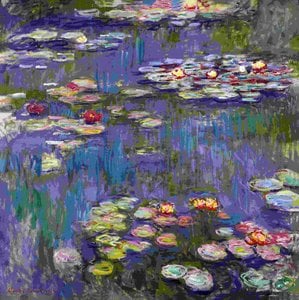
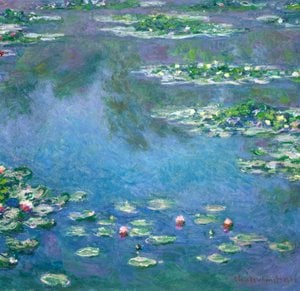
Monet’s artistic journey was fundamentally shaped by his mentor, Eugène Boudin, who championed the revolutionary practice of *plein air* painting – working directly from nature. This approach dictated that Monet wouldn't meticulously plan a scene in advance but rather observe and record its immediate impression upon his eye. “Untitled (5644)” exemplifies this philosophy perfectly. The artist doesn’t strive for photographic realism; instead, he focuses on rendering the *feeling* of being present within this harbor – the warmth of the sun, the shimmering reflections, the subtle shifts in color as light changes. Notice how Monet employs broken brushstrokes, layering colors to create a sense of luminosity and vibration. The palette is dominated by blues, greens, and yellows, all rendered with an almost translucent quality, mimicking the way light diffuses through water and air.
Technique and Materials: A Dance of Color
Monet’s technique in this piece is particularly noteworthy. He utilized a loose, expressive brushstroke – a hallmark of Impressionism – to build up layers of paint on the canvas. The colors are not blended smoothly but rather juxtaposed side-by-side, allowing the viewer's eye to mix them optically. This creates an effect of shimmering light and movement. The artist’s use of complementary colors—such as the juxtaposition of blues and yellows—intensifies the vibrancy of the scene. It is believed that Monet often worked with a relatively thin layer of paint, applying multiple glazes to achieve the desired luminosity and depth. The canvas itself likely played a crucial role; its texture and surface would have influenced how light interacted with the pigments.
Symbolism and Emotional Resonance: A Moment of Tranquility
While seemingly simple, “Untitled (5644)” resonates with deeper symbolic meaning. Harbors often represent transition – a point between land and sea, between routine and adventure. The boats themselves can be interpreted as symbols of journeys, both literal and metaphorical. The presence of the solitary figure suggests contemplation, perhaps an appreciation for beauty or a moment of quiet reflection amidst the bustle of daily life. More broadly, the painting evokes a sense of nostalgia – a longing for simpler times, for connection with nature, and for the fleeting pleasures of a beautiful day. Monet’s ability to capture such profound emotion through seemingly ordinary subjects is what elevates his work to a level of enduring artistic significance. This reproduction offers a remarkable opportunity to bring this evocative scene into your home, allowing you to experience the tranquility and beauty that defined Monet's vision.



 プレビュー
プレビュー
 手描きの絵画を購入
 シェアする
シェアする シェアする
シェアする
 詳細を見る
詳細を見る

 ダウンロード
 似ている作品
 X線調査
X線調査 スライドショー
 詳細を見る
詳細を見る






































 ガラスオプションは、110cm未満のサイズでのみご利用いただけます。