迅速な制作と多彩な仕上げオプションを備えた、ミュージアムクオリティのジークレーまたはキャンバスプリント。 ( 手描きの絵画を購入 デジタル画像販売へ切り替え)





























作品のオリジナル比率に合わせた、当店の規定サイズからお選びください。

特定のフレームやスペースに合わせて、ご自身でサイズを指定することも可能です。選択されたサイズが元の画像の比率と一致しない場合、作品をトリミングするか、鏡面反射または単色での塗りつぶしによって画像を拡張いたします。制作を開始する前に、ご確認用のデジタルモックアップをお送りいたします。
画面上のプレビューには、実際のトリミングや拡張は反映されませんのでご注意ください。最終的な構図を正確に確認できるのは、モックアップのみとなります。
カスタムサイズも承っておりますが、元の比率を維持するためには、あらかじめ用意されたリストからサイズを選択することをお勧めいたします。

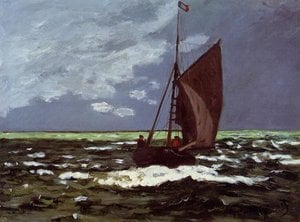
Stormy Seascape
複製画のサイズ
Claude Monet's "Stormy Seascape," painted in 1883, isn’t merely a depiction of the ocean; it’s an immersive experience. This captivating work, housed within the collection of WahooArt and available as a meticulously hand-painted reproduction, transports us to the rugged coast of Normandy, where the raw power of nature collides with the quiet contemplation of human observers. Monet, a pivotal figure in the Impressionist movement, wasn't interested in precise representation but rather in capturing the *feeling* of a scene – the fleeting light, the shifting atmosphere, and the emotional resonance of a moment. “Stormy Seascape” exemplifies this philosophy brilliantly, offering a glimpse into Monet’s artistic process and his profound connection to the natural world.
The painting immediately draws the eye to the dynamic interplay of water and sky. Two figures stand on the shoreline, dwarfed by the immense waves that relentlessly crash against the rocks below. They are not heroic adventurers battling the elements; rather, they appear absorbed in a shared moment of observation, suggesting a sense of tranquility amidst the chaos. This deliberate choice – the juxtaposition of human presence with overwhelming nature – is central to the painting’s emotional impact. It invites us to consider our own relationship with the forces beyond our control, and the solace we can find in simply witnessing their grandeur.
Monet's signature Impressionistic style is vividly displayed in “Stormy Seascape.” He abandons traditional techniques of precise detail and linear perspective, opting instead for a broken application of color and loose, visible brushstrokes. The waves aren’t rendered as solid forms but as shimmering masses of blues, greens, and whites – an explosion of pigment that conveys their movement and energy with remarkable immediacy. Notice how Monet uses short, choppy strokes to depict the foam cresting on the waves, creating a sense of constant motion. Similarly, the sky is fragmented into patches of gray and blue, suggesting the turbulent weather conditions.
Crucially, Monet wasn’t simply recording what he *saw*; he was capturing how light interacts with the scene. The painting is bathed in a diffused, atmospheric glow, characteristic of Impressionist works. This effect is achieved through layering colors and allowing them to blend optically – creating an illusion of depth and luminosity without resorting to traditional shading techniques. The overall impression isn’t one of sharp clarity but rather of hazy, evocative beauty.
Monet's fascination with seascapes wasn’t a singular event; it was part of a broader artistic trend during the 19th century. The sea had long held a powerful allure for artists, representing both the sublime beauty and the terrifying indifference of nature. Romantic painters like Caspar David Friedrich often depicted solitary figures confronting vast landscapes, exploring themes of human insignificance in the face of overwhelming forces. Monet, however, moved beyond this purely melancholic interpretation, focusing instead on capturing the *experience* of being present in a dramatic natural setting.
His choice to depict two people observing the storm is particularly significant. It echoes the Romantic tradition of shared experience and communion with nature, but also subtly suggests a modern sensibility – an appreciation for beauty even amidst adversity. The figures are not overwhelmed by the storm; they seem to find a sense of peace and connection within it.
WahooArt is proud to offer meticulously crafted, hand-painted oil reproductions of “Stormy Seascape,” allowing you to bring this iconic artwork into your own home. Each reproduction faithfully captures the nuances of Monet's brushwork and color palette, ensuring that you experience the painting’s emotional depth and visual beauty firsthand. These aren’t simply copies; they are artistic interpretations created by skilled artisans who share a deep appreciation for Monet’s legacy.
For those seeking to delve deeper into Monet’s life and work, we encourage you to explore related reproductions on WahooArt, including “Stormy Weather at Etretat,” and to visit the National Gallery of Victoria in Melbourne, Australia, where these masterpieces are proudly displayed. You can also find further information about Claude Monet's artistic journey on Wikipedia: Claude Monet on Wikipedia.
印象派という言葉と同義語とも言えるオスカー=クロード・モネ。彼は単なる風景画家ではなく、一瞬のきらめきを記録する克明な観察者であり、光と色彩の詩人でした。1840年11月14日、パリで生まれ、5歳の時に一家がノルマンディー地方のローヌ=リヴィエールに移り住ったことが、彼の人生に予想外の変化をもたらしました。当初は父親の意向により商業的なキャリアを歩むことになっていましたが、若きモネの内なる芸術的才能はすぐに開花し、まず地元の市場で売られた風刺画として現れました。これは彼の技術と起業家精神の両方を証明するものでした。しかし、彼にとって転機となったのは、エウジェーヌ・ブーダンとの出会いでした。ブーダンはモネに絵を描き方だけでなく、En plein air(直接自然の中で描く)という革命的なアイデアを植え付けました。この実践こそが、彼の芸術的探求全体を定義づけることになったのです。
モネの正式な訓練はパリで始まり、まずアカデミー・スイスで、その後シャルル・グレールのもとで学びました。ここで彼はピエール=オーギュスト・ルノワールといった同時代の芸術家たちとの間に固い友情を築き、共通の芸術的苦悩と伝統的な学術絵画からの解放への欲求によって結ばれました。初期の作品は技術的な熟練さを示していましたが、やがて彼のスタイルを特徴づけることになる独特の声には欠けていました。その後、普仏戦争によりモネはロンドンに避難し、そこでJ.M.W.ターナーといったイギリスの風景画家たちの作品に没頭しました。大気効果と色彩の革新的な使用法を吸収したのです。
フランスに戻ったモネは、新たな芸術的叛乱の中心人物となりました。保守的なサロンの基準に不満を持っていた彼は、志を同じくする芸術家たちと共に独立展覧会を開催しました。1874年の展覧会は、モネだけでなく、美術界全体にとって転換点となりました。この際、彼の作品「印象、日の出」が展示され、そこから「印象派」という名称が生まれました。この作品はローヌ河口の日の出のぼやけた描写であり、正確な再現ではなく、シーンに対する主観的な印象を捉えようとする運動の名声を決定づけました。
モネのシグネチャー・スタイルは、この時期に花開きました。大胆で目に見える筆致、隣接して配置された鮮やかでしばしば混ざり合っていない色彩(「分割色彩」として知られる技法)、そして変化する条件がシーンを変化させる前に、一瞬の認識を記録するために迅速に作業するという揺るぎない光への集中。これは芸術的慣習からの根本的な逸脱でした。彼はEn plein airの実践を熱心に行い、変化する状況によってシーンが変化する前に、その即時的な知覚を記録するために急速に作業しました。この献身は彼が見たものを描くことだけでなく、それに応答して感じたことを表現することでした。
1883年、モネはパリ北西部のヴェルニーに定住し、家と庭を彼の聖域であり、最大のインスピレーション源となるように変貌させました。彼は注意深く敷地を整備し、異国の花々、垂れ柳、そして最も有名な水仙池に架かる日本式の橋などを配置しました。これは単なる装飾的な庭ではなく、光が水、葉、反射に及ぼす影響を制御された条件下で研究できる生きた実験室でした。
彼の人生の最後の数十年はほぼ完全に水仙池の絵画に捧げられました。睡蓮シリーズという壮大な作品に取り組み、水面の絶え間なく変化する色彩と光のタペストリーを描写した広大なキャンバスを制作しました。これらは単なる花々を描いた絵ではなく、鑑賞者を穏やかな美しさと瞑想的な静けさの世界に包み込む没入型の体験でした。これらの作品の規模は息を呑むほどで、伝統的な絵画の境界線を押し広げ、抽象表現主義を予感させます。
クロード・モネの影響力は計り知れません。彼は印象派の創始者であるだけでなく、芸術家たちが世界を取り囲むものをどのように認識し、表現したかを根本的に変えました。主観的経験への重点、En plein airでの絵画の採用、そして革新的な技術は、現代美術における抽象化と非描写形態の探求への道を開きました。
モネは彼の時代のアバンギャルドな芸術家にとってまれなことですが、生涯にわたってかなりの商業的成功を収めました。彼の作品は今日でも世界中の観客を魅了し、畏敬の念を起こさせ、西洋美術における最も重要な人物の一人としての地位を確固たるものにしています。彼は1926年12月5日に亡くなり、世代を超えて芸術家や美術愛好家の心に響き渡る遺産を残しました。彼の傑作の重要なコレクションは、パリのオルセー美術館やモネ美術館などの著名な機関で保管されており、彼のビジョンが世界を照らし続けています。

1840 - 1926 , フランス

Embark on a sophisticated visual journey through Claude Monet's most iconic masterpieces. Discover how the master of Impressionism captured fleeting light, color, and movement in his legendary landscapes and water lilies.

Master the nuances of Impressionism vs. Post-Impressionism with our expert guide. Explore the revolutionary shift from Monet’s fleeting light to Van Gogh’s emotional depth. Discover how these iconic movements continue to inspire fine art collectors and modern interiors today.

Explore the revolutionary artistry of Claude Monet. Discover how his mastery of light and plein air technique birthed Impressionism, transforming the landscape of art history forever.


 プレビュー
プレビュー
 シェアする
シェアする シェアする
シェアする
 詳細を見る
詳細を見る

 ダウンロード
 似ている作品
 X線調査
X線調査 スライドショー
 統計情報
統計情報

 詳細を見る
詳細を見る









 ガラスオプションは、110cm未満のサイズでのみご利用いただけます。