
迅速な制作と多彩な仕上げオプションを備えた、ミュージアムクオリティのジークレーまたはキャンバスプリント。 ( 手描きの絵画を購入 デジタル画像販売へ切り替え)





























作品のオリジナル比率に合わせた、当店の規定サイズからお選びください。

特定のフレームやスペースに合わせて、ご自身でサイズを指定することも可能です。選択されたサイズが元の画像の比率と一致しない場合、作品をトリミングするか、鏡面反射または単色での塗りつぶしによって画像を拡張いたします。制作を開始する前に、ご確認用のデジタルモックアップをお送りいたします。
画面上のプレビューには、実際のトリミングや拡張は反映されませんのでご注意ください。最終的な構図を正確に確認できるのは、モックアップのみとなります。
カスタムサイズも承っておりますが、元の比率を維持するためには、あらかじめ用意されたリストからサイズを選択することをお勧めいたします。

quatre peupliers
複製画のサイズ
In the quiet corners of art history, few moments capture the ephemeral magic of nature as poignantly as Claude Monet’s 1891 masterpiece, “Quatre Peupliers” (Four Poplars). This serene landscape is far more than a mere depiction of riverside flora; it is a profound embodiment of the Impressionist philosophy, designed to freeze a fleeting second of light before it dissolves into memory. As the viewer gazates upon the canvas, they are transported to the banks of the Epte River near Giverny, where four slender poplar trees stand as silent sentinels along the water's edge. Monet does not simply paint trees; he paints the very atmosphere that surrounds them, creating a dreamlike vision where the boundaries between the physical world and its watery reflection begin to blur.
The composition is a masterclass in balance and verticality. The rhythmic repetition of the tree trunks creates a sense of structural stability, yet this rigidity is softened by the fluid, dancing reflections that stretch toward the viewer across the river's surface. Through his revolutionary use of plein air techniques, Monet captures the diffused, hazy light characteristic of either a waking dawn or a fading dusk. The color palette is a delicate whisper of pastels—soft pinks, luminous yellows, and gentle greens—that work in harmony to evoke a sense of profound tranquility. For the collector or interior designer, this piece offers a breath of fresh air, bringing a sense of organic peace and light-filled serenity to any sophisticated space.
To understand “Quatre Peupliers” is to appreciate the technical brilliance of Monet’s late 19th-century experimentation. Moving away from the rigid, polished finish of academic realism, Monet employed loose, visible brushstrokes that prioritize immediate sensory experience over meticulous detail. He utilized a sophisticated layering of paint washes to achieve an atmospheric haze, a technique that allows light to appear as if it is vibrating within the pigment itself. This method creates a textured, almost tactile surface where the eye must work to assemble the scene, much like how our own eyes struggle to focus on a landscape shrouded in morning mist.
This approach was deeply rooted in the historical context of the Belle Époque. Influenced by the landscape painter Eugène Boudin, Monet sought to capture the "impression" of a moment—the way light shifts, the way shadows move, and the way color transforms under changing weather. There is a subtle, rhythmic movement within the foliage and the water, suggesting a gentle breeze that disturbs the surface of the river. This technique ensures that the painting never feels static; it possesses a living, breathing quality that continues to evolve as the light in your room changes throughout the day.
Beyond its visual splendor, “Quatre Peupliers” carries a weight of symbolic meaning that resonates with the human experience. The poplar trees, standing tall and resilient against the elements, serve as metaphors for strength and endurance. Yet, their presence in this painting is inextricably linked to their reflections—a reminder of the duality between reality and perception, the permanent and the transient. This tension between the solid trunk and the liquid reflection mirrors Monet’s own fascination with the fleeting nature of time.
For those seeking to adorn a home or gallery with fine art, this reproduction offers more than just aesthetic beauty; it offers an emotional sanctuary. The painting invites a meditative state, encouraging the viewer to slow down and observe the subtle nuances of the natural world. Whether placed in a sun-drenched living room or a quiet study, “Quatre Peupliers” acts as a window into a world of eternal spring and quietude, making it an incomparable choice for anyone looking to infuse their environment with the timeless elegance of French Impressionism.

印象派という言葉と同義語とも言えるオスカー=クロード・モネ。彼は単なる風景画家ではなく、一瞬のきらめきを記録する克明な観察者であり、光と色彩の詩人でした。1840年11月14日、パリで生まれ、5歳の時に一家がノルマンディー地方のローヌ=リヴィエールに移り住ったことが、彼の人生に予想外の変化をもたらしました。当初は父親の意向により商業的なキャリアを歩むことになっていましたが、若きモネの内なる芸術的才能はすぐに開花し、まず地元の市場で売られた風刺画として現れました。これは彼の技術と起業家精神の両方を証明するものでした。しかし、彼にとって転機となったのは、エウジェーヌ・ブーダンとの出会いでした。ブーダンはモネに絵を描き方だけでなく、En plein air(直接自然の中で描く)という革命的なアイデアを植え付けました。この実践こそが、彼の芸術的探求全体を定義づけることになったのです。
モネの正式な訓練はパリで始まり、まずアカデミー・スイスで、その後シャルル・グレールのもとで学びました。ここで彼はピエール=オーギュスト・ルノワールといった同時代の芸術家たちとの間に固い友情を築き、共通の芸術的苦悩と伝統的な学術絵画からの解放への欲求によって結ばれました。初期の作品は技術的な熟練さを示していましたが、やがて彼のスタイルを特徴づけることになる独特の声には欠けていました。その後、普仏戦争によりモネはロンドンに避難し、そこでJ.M.W.ターナーといったイギリスの風景画家たちの作品に没頭しました。大気効果と色彩の革新的な使用法を吸収したのです。
フランスに戻ったモネは、新たな芸術的叛乱の中心人物となりました。保守的なサロンの基準に不満を持っていた彼は、志を同じくする芸術家たちと共に独立展覧会を開催しました。1874年の展覧会は、モネだけでなく、美術界全体にとって転換点となりました。この際、彼の作品「印象、日の出」が展示され、そこから「印象派」という名称が生まれました。この作品はローヌ河口の日の出のぼやけた描写であり、正確な再現ではなく、シーンに対する主観的な印象を捉えようとする運動の名声を決定づけました。
モネのシグネチャー・スタイルは、この時期に花開きました。大胆で目に見える筆致、隣接して配置された鮮やかでしばしば混ざり合っていない色彩(「分割色彩」として知られる技法)、そして変化する条件がシーンを変化させる前に、一瞬の認識を記録するために迅速に作業するという揺るぎない光への集中。これは芸術的慣習からの根本的な逸脱でした。彼はEn plein airの実践を熱心に行い、変化する状況によってシーンが変化する前に、その即時的な知覚を記録するために急速に作業しました。この献身は彼が見たものを描くことだけでなく、それに応答して感じたことを表現することでした。
1883年、モネはパリ北西部のヴェルニーに定住し、家と庭を彼の聖域であり、最大のインスピレーション源となるように変貌させました。彼は注意深く敷地を整備し、異国の花々、垂れ柳、そして最も有名な水仙池に架かる日本式の橋などを配置しました。これは単なる装飾的な庭ではなく、光が水、葉、反射に及ぼす影響を制御された条件下で研究できる生きた実験室でした。
彼の人生の最後の数十年はほぼ完全に水仙池の絵画に捧げられました。睡蓮シリーズという壮大な作品に取り組み、水面の絶え間なく変化する色彩と光のタペストリーを描写した広大なキャンバスを制作しました。これらは単なる花々を描いた絵ではなく、鑑賞者を穏やかな美しさと瞑想的な静けさの世界に包み込む没入型の体験でした。これらの作品の規模は息を呑むほどで、伝統的な絵画の境界線を押し広げ、抽象表現主義を予感させます。
クロード・モネの影響力は計り知れません。彼は印象派の創始者であるだけでなく、芸術家たちが世界を取り囲むものをどのように認識し、表現したかを根本的に変えました。主観的経験への重点、En plein airでの絵画の採用、そして革新的な技術は、現代美術における抽象化と非描写形態の探求への道を開きました。
モネは彼の時代のアバンギャルドな芸術家にとってまれなことですが、生涯にわたってかなりの商業的成功を収めました。彼の作品は今日でも世界中の観客を魅了し、畏敬の念を起こさせ、西洋美術における最も重要な人物の一人としての地位を確固たるものにしています。彼は1926年12月5日に亡くなり、世代を超えて芸術家や美術愛好家の心に響き渡る遺産を残しました。彼の傑作の重要なコレクションは、パリのオルセー美術館やモネ美術館などの著名な機関で保管されており、彼のビジョンが世界を照らし続けています。

1840 - 1926 , フランス

Embark on a visual journey through Claude Monet's most iconic water lily masterpieces. Discover the profound beauty of Impressionism, explore the evolution of Giverny's light, and learn how to bring these serene, museum-quality landscapes into your private collection.

Explore the ethereal beauty of Impressionist landscapes. Discover how masters like Monet captured fleeting light through color and texture, and learn to curate these timeless, luminous masterpieces for your home collection.
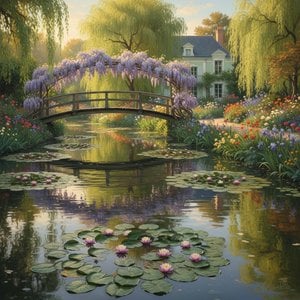
Embark on a visual journey through Claude Monet's Giverny. Discover the enchanting light, vibrant colors, and breathtaking landscapes of his legendary gardens through an expert exploration of Impressionist mastery and timeless beauty.


 プレビュー
プレビュー
 シェアする
シェアする シェアする
シェアする
 詳細を見る
詳細を見る

 ダウンロード
 似ている作品
 X線調査
X線調査 スライドショー
 統計情報
統計情報

 詳細を見る
詳細を見る









 ガラスオプションは、110cm未満のサイズでのみご利用いただけます。


![Poplars Along The River Epte, Autumn [1891] — クロード・モネ, Impressionism](/media/artworks/images-thumb/87/07/8707b2b24bc1c6d6106417dda55914f5.jpg)


