


 Oil On PanelLate Medieval Painting
 Late Medieval
 38.0 x 27.0 cm
迅速な制作と多彩な仕上げオプションを備えた、ミュージアムクオリティのジークレーまたはキャンバスプリント。 ( 手描きの絵画を購入 画像を購入)





























作品のオリジナル比率に合わせた、当店の規定サイズからお選びください。

特定のフレームやスペースに合わせて、ご自身でサイズを指定することも可能です。選択されたサイズが元の画像の比率と一致しない場合、作品をトリミングするか、鏡面反射または単色での塗りつぶしによって画像を拡張いたします。制作を開始する前に、ご確認用のデジタルモックアップをお送りいたします。
画面上のプレビューには、実際のトリミングや拡張は反映されませんのでご注意ください。最終的な構図を正確に確認できるのは、モックアップのみとなります。
カスタムサイズも承っておりますが、元の比率を維持するためには、あらかじめ用意されたリストからサイズを選択することをお勧めいたします。

Christ Bearing the Cross
複製画のサイズ
The image before us—a grayscale tableau of Christ enduring his burden—isn't merely a depiction of a biblical scene; it’s a profound meditation on suffering, faith, and the very essence of human experience. Attributed to the enigmatic Simon Marmion, a figure shrouded in the mists of 15th-century Valenciennes, this painting exists as one of a small group whose authenticity has been debated for centuries. While numerous illuminated manuscripts by Marmion are known, documented paintings remain scarce, adding an element of mystery and intrigue to its artistic legacy. The present piece, though demonstrably less accomplished than other works within the same grouping—such as the Crucifixion in the John G. Johnson Collection—offers a compelling glimpse into the artistic sensibilities of a pivotal yet elusive artist. Its stylistic kinship with a Christ before Caiaphas in the Johnson Collection hints at a shared hand and a consistent approach to portraying this iconic moment.
The composition is remarkably restrained, prioritizing clarity and solemnity over dramatic flourish. Christ dominates the frame, his figure diagonally traversing the canvas—a weighty presence borne aloft by the cross. Surrounding him are figures rendered with varying degrees of detail, receding into a landscape that anchors the scene: a stark, tower-like structure on the left provides vertical stability, while distant buildings and trees suggest a world both familiar and alien to Christ’s ordeal. The monochromatic palette—a spectrum ranging from deep blacks to subtle whites—immediately establishes an atmosphere of antiquity and gravity. There's no attempt at color here; instead, the artist masterfully employs shading and line work to evoke texture and volume, creating the illusion of draped fabric that folds with a convincing sense of weight and movement, and subtly suggesting the contours of Christ’s body beneath his garments.
Examining the painting reveals a deliberate adherence to late medieval artistic conventions. Strong, defined lines delineate figures and architectural elements, contributing to an overall sense of structure and order. The cross itself is rendered with meticulous detail—a geometric form that serves as both a physical burden and a potent symbol. The use of line work and shading suggests a medium likely employed by Marmion – perhaps tempera or oil paint on wood panel, though definitive confirmation remains elusive. The flattened perspective, characteristic of the period, prioritizes clarity over spatial depth, creating a sense of immediacy that draws the viewer directly into the scene. Figures in the background are subtly diminished in size, reinforcing this lack of profound recession and focusing attention squarely on Christ’s central struggle.
Beyond mere representation, the painting communicates a deep well of emotion. The diffused lighting—lacking strong highlights or shadows—contributes to a sense of flatness, echoing the techniques prevalent in earlier artistic traditions. The posture of Christ, his head bowed and shoulders slumped under the weight of the cross, powerfully conveys sorrow, resignation, and sacrifice. This isn’t a triumphant depiction of salvation; it's an honest portrayal of suffering – a testament to the profound cost of redemption. The overall effect is deeply moving, inviting contemplation on themes of faith, pain, and human endurance.
It’s crucial to acknowledge that this painting was initially attributed to Claude Monet, a name that seems incongruous given the monochromatic style. However, stylistic similarities—particularly in the use of line work and the emphasis on capturing light and shadow—have fueled speculation about a possible connection. While Monet is celebrated for his vibrant Impressionistic landscapes, this piece demonstrates a more restrained approach, echoing the artistic sensibilities of the late medieval period. Further research into Marmion’s oeuvre and the context surrounding this particular painting will undoubtedly shed further light on its origins and authorship. The attribution to Monet serves as a fascinating reminder of how artistic styles can evolve and influence one another across centuries.
This reproduction offers a unique opportunity to experience a significant work from a period often overlooked in art history. Its somber beauty, coupled with the mystery surrounding its creator, makes it a compelling addition to any collection or a thoughtful choice for interior design—a testament to the enduring power of religious imagery and the artistic skill of Simon Marmion.

印象派という言葉と同義語とも言えるオスカー=クロード・モネ。彼は単なる風景画家ではなく、一瞬のきらめきを記録する克明な観察者であり、光と色彩の詩人でした。1840年11月14日、パリで生まれ、5歳の時に一家がノルマンディー地方のローヌ=リヴィエールに移り住ったことが、彼の人生に予想外の変化をもたらしました。当初は父親の意向により商業的なキャリアを歩むことになっていましたが、若きモネの内なる芸術的才能はすぐに開花し、まず地元の市場で売られた風刺画として現れました。これは彼の技術と起業家精神の両方を証明するものでした。しかし、彼にとって転機となったのは、エウジェーヌ・ブーダンとの出会いでした。ブーダンはモネに絵を描き方だけでなく、En plein air(直接自然の中で描く)という革命的なアイデアを植え付けました。この実践こそが、彼の芸術的探求全体を定義づけることになったのです。
モネの正式な訓練はパリで始まり、まずアカデミー・スイスで、その後シャルル・グレールのもとで学びました。ここで彼はピエール=オーギュスト・ルノワールといった同時代の芸術家たちとの間に固い友情を築き、共通の芸術的苦悩と伝統的な学術絵画からの解放への欲求によって結ばれました。初期の作品は技術的な熟練さを示していましたが、やがて彼のスタイルを特徴づけることになる独特の声には欠けていました。その後、普仏戦争によりモネはロンドンに避難し、そこでJ.M.W.ターナーといったイギリスの風景画家たちの作品に没頭しました。大気効果と色彩の革新的な使用法を吸収したのです。
フランスに戻ったモネは、新たな芸術的叛乱の中心人物となりました。保守的なサロンの基準に不満を持っていた彼は、志を同じくする芸術家たちと共に独立展覧会を開催しました。1874年の展覧会は、モネだけでなく、美術界全体にとって転換点となりました。この際、彼の作品「印象、日の出」が展示され、そこから「印象派」という名称が生まれました。この作品はローヌ河口の日の出のぼやけた描写であり、正確な再現ではなく、シーンに対する主観的な印象を捉えようとする運動の名声を決定づけました。
モネのシグネチャー・スタイルは、この時期に花開きました。大胆で目に見える筆致、隣接して配置された鮮やかでしばしば混ざり合っていない色彩(「分割色彩」として知られる技法)、そして変化する条件がシーンを変化させる前に、一瞬の認識を記録するために迅速に作業するという揺るぎない光への集中。これは芸術的慣習からの根本的な逸脱でした。彼はEn plein airの実践を熱心に行い、変化する状況によってシーンが変化する前に、その即時的な知覚を記録するために急速に作業しました。この献身は彼が見たものを描くことだけでなく、それに応答して感じたことを表現することでした。
1883年、モネはパリ北西部のヴェルニーに定住し、家と庭を彼の聖域であり、最大のインスピレーション源となるように変貌させました。彼は注意深く敷地を整備し、異国の花々、垂れ柳、そして最も有名な水仙池に架かる日本式の橋などを配置しました。これは単なる装飾的な庭ではなく、光が水、葉、反射に及ぼす影響を制御された条件下で研究できる生きた実験室でした。
彼の人生の最後の数十年はほぼ完全に水仙池の絵画に捧げられました。睡蓮シリーズという壮大な作品に取り組み、水面の絶え間なく変化する色彩と光のタペストリーを描写した広大なキャンバスを制作しました。これらは単なる花々を描いた絵ではなく、鑑賞者を穏やかな美しさと瞑想的な静けさの世界に包み込む没入型の体験でした。これらの作品の規模は息を呑むほどで、伝統的な絵画の境界線を押し広げ、抽象表現主義を予感させます。
クロード・モネの影響力は計り知れません。彼は印象派の創始者であるだけでなく、芸術家たちが世界を取り囲むものをどのように認識し、表現したかを根本的に変えました。主観的経験への重点、En plein airでの絵画の採用、そして革新的な技術は、現代美術における抽象化と非描写形態の探求への道を開きました。
モネは彼の時代のアバンギャルドな芸術家にとってまれなことですが、生涯にわたってかなりの商業的成功を収めました。彼の作品は今日でも世界中の観客を魅了し、畏敬の念を起こさせ、西洋美術における最も重要な人物の一人としての地位を確固たるものにしています。彼は1926年12月5日に亡くなり、世代を超えて芸術家や美術愛好家の心に響き渡る遺産を残しました。彼の傑作の重要なコレクションは、パリのオルセー美術館やモネ美術館などの著名な機関で保管されており、彼のビジョンが世界を照らし続けています。

1840 - 1926 , フランス

Embark on a visual journey through Early Medieval art. Explore the profound beauty of illuminated manuscripts, sacred symbols, and golden light through an expert historical lens, celebrating the enduring legacy of medieval craftsmanship and divine artistry.

Embark on a scholarly journey through the sacred beauty of High Medieval art. Discover the profound symbolism, luminous iconography, and spiritual depth of Gothic masterpieces in this expert guide for classical art enthusiasts.
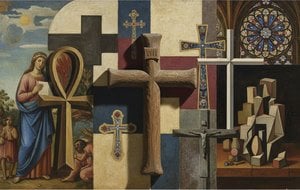
Delve into the profound symbolism of cross imagery in fine art history. From Renaissance masterpieces to sacred iconography, explore how religious motifs shape Western art through our expert cultural analysis and curated collection of museum-quality reproductions.

Embark on a scholarly journey through the spiritual grandeur of Late Medieval art. Discover the intricate symbolism, technical mastery, and profound religious narratives that define the Gothic era in this expert-led guide for art enthusiasts and collectors.


 プレビュー
プレビュー
 シェアする
シェアする シェアする
シェアする
 詳細を見る
詳細を見る

 ダウンロード
 似ている作品
 X線調査
X線調査 スライドショー
 詳細を見る
詳細を見る









 ガラスオプションは、110cm未満のサイズでのみご利用いただけます。


