
迅速な制作と多彩な仕上げオプションを備えた、ミュージアムクオリティのジークレーまたはキャンバスプリント。 ( 手描きの絵画を購入 デジタル画像販売へ切り替え)
作品のオリジナル比率に合わせた、当店の規定サイズからお選びください。

特定のフレームやスペースに合わせて、ご自身でサイズを指定することも可能です。選択されたサイズが元の画像の比率と一致しない場合、作品をトリミングするか、鏡面反射または単色での塗りつぶしによって画像を拡張いたします。制作を開始する前に、ご確認用のデジタルモックアップをお送りいたします。
画面上のプレビューには、実際のトリミングや拡張は反映されませんのでご注意ください。最終的な構図を正確に確認できるのは、モックアップのみとなります。
カスタムサイズも承っておりますが、元の比率を維持するためには、あらかじめ用意されたリストからサイズを選択することをお勧めいたします。

Two Cheeseburgers, with Everything (Dual Hamburgers)
複製画のサイズ
In the vibrant landscape of twentieth-century art, few works possess the immediate, mouth-watering charm of Claes Oldenburg’s “Two Cheesebusters, with Everything (Dual Hamburgers).” Created in 1962, this sculpture serves as a delicious intersection of Pop Art audacity and sculptural innovation. At first glance, the viewer is presented with a familiar sight: two juicy, meticulously layered cheeseburgers resting side by side. Yet, through Oldenburg’s transformative lens, these everyday objects are stripped of their disposable nature and elevated to the status of icons. The piece captures a moment of frozen abundance, where the bright reds of tomato, the vivid yellows of cheese, and the earthy browns of the bun demand attention, inviting the observer to linger on the textures of a shared cultural ritual.
The brilliance of this work lies in its ability to turn the gaze toward the commonplace. By magnifying the details of a simple meal, Oldenburg forces us to confront the beauty within the banal. For the collector or the interior designer, this piece offers more than just visual interest; it provides a conversational centerpiece that challenges the boundaries between high art and low culture. It is a work that breathes life into a room, injecting a sense of playful irony and nostalgic warmth that resonates deeply with the modern aesthetic.
To understand the visceral impact of these burgers, one must look closely at the artist's pioneering use of materials. Moving away from the rigid traditions of marble and bronze, Oldenburg embraced a much more tactile and experimental approach. The construction of “Two Cheeseburgers” is a masterclass in texture, utilizing chicken wire encased in plaster to create a robust yet strangely organic framework. This structural foundation allowed the artist to layer surfaces that mimic the succulent reality of food.
The surface is meticulously finished with burlap soaked in plaster and painted with vibrant enamels, creating a finish that feels both substantial and surprisingly soft. Every element—from the crinkled appearance of the lettuce to the smooth, heavy slices of tomato—is rendered with a deliberate thickness that defies the actual fragility of food. This technique creates a sensory illusion; one can almost feel the weight and the slight resistance of the materials. For those seeking a high-quality reproduction, it is this interplay of light and texture that defines the piece, making it an essential acquisition for those who appreciate art that engages both the eye and the imagination.
Historically, this sculpture emerged from the feverish energy of “The Store,” Oldenburg’s groundbreaking 1961 project in Manhattan. This period marked a radical shift in the art world, as artists began to reject the abstract emotionalism of previous decades in favor of the tangible symbols of American consumerism. The cheeseburger, a ubiquitous emblem of post-war prosperity and fast-paced urban life, becomes a symbol of a shared, democratic experience. There is no elitism here; there is only the universal language of hunger and consumption.
Beyond its surface-level playfulness, the work carries a deeper, more subversive meaning. By presenting these burgers as "monuments," Oldenburg mocks the grandiosity of traditional sculpture while simultaneously celebrating the vitality of the everyday. The piece embodies the spirit of Dada and Surrealism, using absurdity to question our relationship with the objects we consume. It is an invitation to find wonder in the supermarket aisle and to recognize that even the most fleeting, disposable moments of our lives are worthy of being immortalized in art.

クレス・オルデンバーグの作品に出会うとき、私たちは現実が心地よく覆される瞬間を目撃することになります。そこでは、ありふれた日常が記念碑的な存在へと昇華され、見慣れた品々が奇妙なほどシュールな姿へと変貌を遂げます。1929年にスウェーデンのストックホルムに生まれたオルデンバーグは、当たり前すぎて意識すらされない「日常」から、その不可視性を剥ぎ取る類まれな才能を持っていました。後にポップ・アート運動の大部分を定義することとなる彼の芸術的旅路は、日々の生活における質感や形態への深い魅惑に根ざしていました。布に覆われた物体が柔らかくたわむ様子であれ、巨大な調理器具が圧倒的な存在感を放つ姿であれ、オルデンバーグの作品群は、私たちの家庭や都市の風景を構成するまさにその物体そのものを再考するよう、観る者に問いかけてきたのです。
彼の初期の感性は、シュルレアリスムやダダイズムが持つ過激なエネルギーを吸収することで形作られました。この基盤があったからこそ、彼は彫刻を石やブロンズといった硬直した媒体としてではなく、不条理や機知を表現しうる流動的な言語として捉えることができたのです。1956年にニューヨークへ移住した後、彼は急速に発展する街の実験的なアートシーンにおける中心的人物となりました。ザ・ストリート(The Street)(1GB0年)やザ・ストア(The Store)(1961年)といった初期のインスタレーションは、空間と商業を融合させた変革的なパフォーマンスでした。都市の瓦礫や消費財の石膏レプリカを用いることで、ハイ・アート(高尚な芸術)と市場の生々しい現実との境界線を曖昧にしていったのです。
オルデンバーグが残した最も永続的な遺産の一つは、ソフト・スカルプチャー(柔らかい彫刻)の先駆的な展開にあります。ポリウレタンフォームや厚手の布といった柔軟な素材を用いることで、彼は無機質な物体に脆弱性と有機的な生命感を吹き込みました。洗濯バサミ、電話、あるいはトイレといった硬い品々を「ぐにゃりと」させたこれらの作品は、彫刻が持つ伝統的な永続性に抗い、観客に対して触覚的、かつ心理的な関わりを促しました。この技法によって、彼は消費文化の刹那的な本質を捉え、工業製品を柔らかく、しなやかに身を委ねる休息の状態へと描き出すことに成功したのです。
キャリアが進むにつれ、オルデンバーグの野心はギャラリーという親密なスケールから、公共広場という壮大な舞台へと広がっていきました。亡き妻でありクリエイティブ・パートナーでもあったクース・ファン・ブリュッゲンとの共同作業において、彼の作品は建築的な壮大さという新たな次元に到達しました。二人は記念碑的芸術の極意を習得し、都市の構造にシームレスに溶け込みながらも、同時にその秩序を撹乱するような巨大なインスタレーションを生み出しました。彼らの共鳴し合う精神は、街のスカイラインを一変させる象徴的な作品に命を吹き込み、公共空間を想像力が躍動する遊び場へと変貌させたのです。
クレス・オルデンバーグの歴史的重要性をいくら強調してもしすぎることはありません。彼は芸術と鑑賞者の関係を根本から変えたのです。彼の作品が20世紀美術史の礎であり続けているのは、以下のような重要な功績によるものです。
2022年に彼がこの世を去った今も、私たちの足を止めさせ、微笑ませ、あるいは周囲の環境に疑問を抱かせる巨大な彫刻の中には、オルデンバーグの影響が生き続けています。彼は、世界を少しだけ魔法のような場所に変えて残してくれました。スプーンやコンセント、あるいは一切れの果実といった、最も見過ごされがちな物体であっても、真に革新的な想像力のレンズを通して見れば、偉大さへの可能性を秘めているのだということを、彼は私たちに教えてくれているのです。

1929 - 2022 , スウェーデン
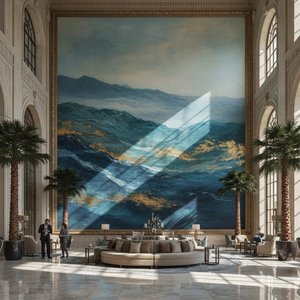
Elevate grand hospitality interiors with expert insights on large-format art. Discover how masterfully scaled landscapes and Impressionist reproductions create illusionary space, enhance atmospheric depth, and define luxury brand identity for discerning hotel designers.

Explore the profound impact of the Pop Art Revolution on modern aesthetics. From Lichtenstein’s dots to Warhol’s icons, gain expert insights into how this vibrant movement redefined culture through consumerism and mass media. A definitive guide for art lovers and collectors.


 シェアする
シェアする シェアする
シェアする
 詳細を見る
詳細を見る ガイド
ガイド

 ダウンロード
 似ている作品
 スライドショー
 統計情報
統計情報


 詳細を見る
詳細を見る






































 ガラスオプションは、110cm未満のサイズでのみご利用いただけます。


