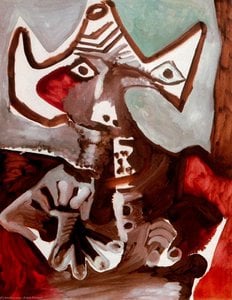
このページに掲載されている作品は著作権法によって保護されており、当社の許可なく同一の複製物を制作または販売することは法律で禁じられています。この保護は、以下のような国際条約に基づき執行されます。 ベルヌ条約 および、以下の条項に定められたものを含む各国の法律により、 米国著作権法 第17編。
この手法は、著作権で保護された作品の複製や複写を伴わないため、著作権法に完全に準拠しています。これは単なる模倣ではなく、創造的な再解釈です。元の作品からインスピレーションを受けつつも、それとは異なる、全く新しい絵画を生み出すものです。
スピーディーな制作と多彩な仕上げオプションが魅力の、ミュージアムクオリティなジークレー・キャンバスプリント。 ( 手描き複製画を注文する デジタル画像販売へ切り替え)
作品のオリジナル比率に合わせた、当店の規定サイズからお選びください。

額縁や壁のスペースに合わせて、ご希望の幅と高さを入力してください。プリントはカットすることは可能ですが、元の画像より大きくすることはできないため、異なる比率のサイズを選択された場合は、画像の一部が欠けることになります。印刷を開始する前に、内容を確認していただくためのデジタルモックアップをお送りいたします。このページに表示されている画像は、実際のカット後の状態を示すものではありません。実際の仕上がりはモックアップにてご確認ください。
Vertical Amnesia
複製画サイズ一覧

In the vibrant, often jarring landscape of late twentieth-century American art, few voices resonated with as much psychological depth and formal precision as Christina Ramberg. Born in 1946 on the Kentucky military base of Camp Campbell, Ramberg’s early years were defined by a nomadic existence, shaped by her father’s service in the United States Army. This transient childhood, which saw her living in diverse locales such as Yokohama, Japan, and various regions of Germany, instilled in her an international perspective that would later inform the layered, culturally complex imagery of her work. Her journey eventually led her to the School of the Art Institute of Chicago (SAIC), a destination that would become the crucible for her artistic identity.
It was within the halls of SAIC that Ramberg encountered the transformative influence of Ray Yoshida. A mentor of profound significance, Yoshida encouraged his students to look beyond the traditional canons of fine art, urging them to find inspiration in the ubiquitous textures of popular culture—from the gritty lines of underground comic books to the glossy surfaces of commercial magazines. This pedagogical freedom allowed Ramseb to develop a visual language that was simultaneously high-art and pop-inflected, blending the meticulousness of classical draftsmanship with the subversive energy of Pop Art and Surrealism.
Ramberg’s oeuvre is most famously associated with the Chicago Imagists, a group of artists who rejected the prevailing trends of Minimalism and Conceptualism in favor of a more representational, often visceral, approach to painting. Her work became a profound interrogation of the female form, yet she avoided the clichés of traditional portraiture. Instead, she focused on partial bodies—heads, torsos, and hands—often presented in states of tension or compression. Through her use of bold geometric shapes and a highly controlled, almost clinical technique, she depicted figures encased in mid-century undergarments, such as corsets and girdles.
These garments were not merely clothing; they functioned as architectural metaphors for societal expectations. The way the fabric pressed against the skin or constrained the limbs served to illustrate a sense of female vulnerability and the psychological weight of gendered norms. Her compositions often possessed an eerie, dreamlike quality, where the boundaries between the organic body and the rigid, manufactured object became blurred. This tension created a unique brand of Pop Surrealism, where the familiar objects of domesticity were reimagined as instruments of both adornment and entrapment.
The significance of Christina Ramberg lies in her ability to navigate the intersection of the personal and the political without sacrificing aesthetic beauty. While her work touched upon the burgeoning feminist discourses of the 1970s, it did so through a sophisticated lens of abstraction and formal experimentation. She did not merely depict struggle; she sculpted it into the very fabric of her compositions.
Throughout her career, Ramberg achieved remarkable milestones that cemented her place in art history:
Though her life was tragically cut short in 1995, Ramberg’s impact remains indelible. Her paintings continue to challenge viewers to contemplate the structures—both physical and social—that shape our identities. In every meticulously rendered line and every compressed silhouette, her work stands as a testament to the enduring power of art to expose the complexities of the human condition.

1946 - 1995 , United States of America
 設置イメージを表示
 シェアする
シェアする シェアする
シェアする
 詳細を見る
詳細を見る ガイドを表示

 ダウンロード
 似ている作品
 X線調査
X線調査 スライドショーを表示
 Q&A
Q&A
 統計情報
統計情報

 詳細を表示
詳細を表示






































 ガラスオプションは、110cm未満のサイズでのみご利用いただけます。