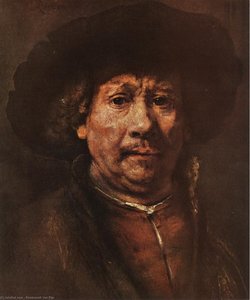
作家の略歴
Sir Joshua Reynolds: The Grand Manner and the Shaping of British Portraiture
Sir Joshua Reynolds (16 July 1723 – 23 February 1792) stands as a monumental figure in the history of British art, largely defined by his pioneering role in establishing portraiture as a dominant and respected genre. More than simply a painter, he was an intellectual force, a champion of classical ideals, and a key architect of the Royal Academy—a transformation that fundamentally altered the landscape of artistic practice in England. His career spanned over six decades, during which he produced an astonishing output – estimates suggest upwards of two thousand paintings, many of which remain cornerstones of national collections. Reynolds’s legacy isn't solely rooted in quantity; it resides in his innovative approach to composition, his masterful handling of light and color, and his profound understanding of human psychology, all contributing to what became known as the “Grand Manner” style.
Early Life and Artistic Foundations
Born in Plympton, Devon, Reynolds’s upbringing was unusually privileged for an artist. His father, a headmaster and fellow of Balliol College, Oxford, provided him with a rigorous education that extended far beyond the typical artistic training of the time. This intellectual foundation profoundly shaped his approach to art, grounding it in classical learning and a deep appreciation for ancient Greek and Roman sculpture and painting. He began his career as an apprentice to Thomas Hudson, a fashionable London portraitist, absorbing techniques but quickly surpassing his mentor’s style. Crucially, Reynolds embarked on a prolonged sojourn in Italy between 1749 and 1752, immersing himself in the artistic treasures of Rome and Florence. This experience proved transformative, instilling in him a reverence for the Renaissance masters – Rembrandt, Rubens, and Van Dyck – whose works he meticulously studied. He sought to emulate their dramatic lighting, dynamic compositions, and ability to capture not just likeness but also character and emotion.
The Grand Manner and Portraiture’s Golden Age
Upon his return to England, Reynolds swiftly ascended to the pinnacle of the portrait-painting world. His style, dubbed the “Grand Manner,” rejected the Rococo frivolity prevalent in much of European art at the time. Instead, he embraced a more formal, idealized approach, drawing inspiration from classical antiquity and Renaissance ideals. He believed that a successful portrait should not merely depict a subject’s physical appearance but also reveal their inner character and social standing. Reynolds achieved this through carefully constructed compositions—often employing pyramid shapes, dramatic lighting effects (chiaroscuro), and elaborate settings to create a sense of grandeur and importance. His subjects were typically members of the aristocracy and gentry, including figures like the Earl of Carlisle, Philip Gell, and Sarah Siddons. His portraits weren’t simply likenesses; they were carefully crafted narratives, imbued with dignity, intelligence, and often, a subtle hint of aristocratic bearing.
Notable Works and Artistic Innovations
Reynolds's oeuvre is remarkably diverse, encompassing not only numerous portraits but also historical scenes, landscapes, and even “fancy pictures”—genre paintings designed to appeal to the tastes of his patrons. However, it’s in his portraiture that he truly excelled. *Portrait of Omai* (1785), a painting depicting a young woman from Tobago, is often cited as one of his most daring and controversial works. The painting sparked considerable debate due to its unconventional portrayal of an indigenous subject within the established conventions of British art. Similarly, *The Marlborough Family* (1762) – a monumental full-length portrait of Queen Charlotte, her children, and several grandchildren – exemplifies Reynolds’s mastery of scale and his ability to capture a complex family dynamic. His work with Sarah Siddons as *The Tragic Muse* (1790), is considered by many to be the finest female portrait in the world. His influence extended beyond individual paintings; he established a studio that produced hundreds of works, ensuring his continued presence in the art market and solidifying his reputation for decades after his death.
Legacy and Historical Significance
Sir Joshua Reynolds’s impact on British art is immeasurable. He not only elevated portraiture to an art form worthy of serious consideration but also established a rigorous system of artistic training that profoundly influenced generations of painters. His founding of the Royal Academy in 1769 marked a pivotal moment in the history of art institutions, providing a platform for artists and fostering a culture of critical discussion and professional development. His emphasis on classical ideals and his championing of the “Grand Manner” style shaped the aesthetic sensibilities of the British elite for decades to come. Even today, Reynolds’s work continues to be studied and admired for its technical brilliance, its psychological insight, and its enduring contribution to the history of art. His legacy is a testament to the power of artistic vision and the transformative potential of a single individual's dedication to his craft.

 プリント版に切り替え


 プレビュー
プレビュー
 シェアする
シェアする シェアする
シェアする
 詳細を見る
詳細を見る ガイド
ガイド

 ダウンロード
 似ている作品
 X線調査
X線調査 スライドショー
 統計情報
統計情報
 詳細を見る
詳細を見る