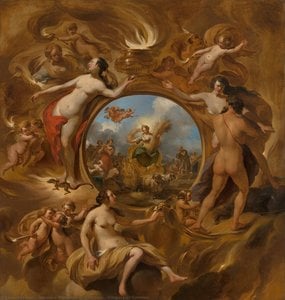
Oil On CanvasWallArtBaroque
 1632Early Modern
 108.0 x 128.0 cm
 クンストハレ・ブレーメン
オンラインプレビューをはるかに凌ぐ、高解像度で鮮明なデジタル画像をご購入いただけます。
各ファイルは、社内の専門家が高度なツールと熟練した手作業によるレタッチを用いて、細心の注意を払って準備されています。すべての画像において、卓越した鮮明度、正確な色彩再現性、そして繊細なディテールを保証いたします。
最終ファイルは、プロフェッショナルな編集・印刷環境ですぐにご利用いただけるよう最適化された状態で、72時間以内にメールにてお届けいたします。これは、一流のデザインスタジオ、出版社、ギャラリーから信頼されているものと同等の品質です。
個人での鑑賞、印刷、クリエイティブなプロジェクト用に、高解像度ファイルをダウンロードできます。 ( プリント版に切り替え 手描きの絵画を購入)
WahooArt.com を選ぶことは、単に画像を手に入れることではありません。それは、プロの手によって精密に仕上げられ、満足保証が付いた高品質なデジタルアートワークを受け取ることを意味します。ご注文いただいた際に自動的に付随する内容は、以下の通りです:

ご注文から72時間以内に、高解像度のデジタル画像ファイルがメールでお手元に届きます。すぐにそのままご利用いただけます。

お客様の作品は、高度なAIツールと専門家による手作業の編集を組み合わせてプロフェッショナルに最適化されており、細部のディテール、鮮明さ、そして正確な色再現性を最大限に引き出しています。

ファイルを誤って削除したり、紛失してしまったりしましたか?ご安心ください。いつでも無料で再送いたします。

関税や手数料、配送料を気にすることなく、お気に入りのアートワークをすぐにお楽しみいただけます。デジタルダウンロードは常に免税です。

プロ仕様のツールとカラーマネジメント技術を用いることで、デジタル画像が元の色を最大限に忠実に再現することを保証いたします。

ご購入いただいたデジタル画像にご満足いただけない場合は、100日以内であれば、理由を問わず修正または100%の返金対応をさせていただきます。

ご満足いただけない場合は、デジタルファイルを受け取ってから100日以内であれば、理由を問わず全額返金いたします。

3枚購入で10%OFF - 5枚購入で15%OFF - 10枚以上購入で20%OFF。クリエイティブなプロジェクト、ギャラリー、エージェンシーに最適です。
To gaze upon Christiaen van Couwenbergh’s Lovers is to step directly into the richly textured atmosphere of the Dutch Golden Age. This painting, executed around 1632, transcends a mere depiction of two figures; it captures an ephemeral moment—a shared glance, a whispered confidence—that resonates with universal human connection. The composition immediately draws the eye to the man and woman standing together, their interaction forming the emotional nucleus of the piece. Though rendered in a striking black and white photograph, one can almost feel the vibrancy that must have animated the original oils: the suggestion of blue upon his attire contrasting beautifully with the warmth implied by her yellow garments.
Van Couwenbergh, celebrated as a Master of Baroque Allegory, imbued his scenes with layers of meaning that invite prolonged contemplation. His training in Delft placed him within an artistic milieu obsessed with detail, narrative depth, and the interplay between the earthly and the symbolic. Beyond the central couple, the background elements—the stately presence of a horse, the measured passage indicated by a visible clock, and the scholarly weight suggested by the two nearby books—are not mere set dressing. They function as silent witnesses to the intimacy unfolding before them. These objects anchor the emotional moment within a tangible reality, suggesting that this connection is profound enough to exist against the backdrop of daily life.
The symbolism in Lovers is subtle yet potent. The pairing itself speaks to themes of companionship, intellectual exchange, and perhaps even nascent romance, all viewed through a lens filtered by Baroque ideals. Consider the juxtaposition of the clock against the timeless nature of human emotion; time marches on, but this shared moment seems suspended indefinitely. The books suggest that their connection is rooted not just in passion, but in shared thought or mutual understanding. For the collector or decorator, these elements offer narrative flexibility—the painting can evoke scholarly romance, quiet contemplation, or dramatic reunion.
The technical mastery evident in this work speaks to Van Couwenbergh’s skill in rendering both lifelike figures and carefully placed props. The handling of light and shadow, even as interpreted through reproduction, suggests a painter adept at creating depth and drama. Owning a high-quality reproduction of Lovers is not simply acquiring art; it is curating an atmosphere. It introduces a sophisticated narrative anchor to any room—be it a formal drawing-room or a private study. The piece promises conversation, prompting viewers to ask: What are they discussing? What moment has been captured here?
This artwork offers more than just aesthetic beauty; it offers a portal into the considered emotional landscape of 17th-century Dutch life, making it a timeless and deeply engaging focal point for any discerning interior design scheme.

In the vibrant tapestry of the Dutch Golden Age, few artists captured the theatricality and emotional depth of the era quite like Christiaen van Couwenbergh. Born in the historic city of Delft in 1604, his life was inextricably linked to a lineage of artistic excellence. As the son of Gillis van Couwenbergh—a skilled silversmith and influential art dealer—Christiaen was raised amidst the scent of precious metals and the visual splendor of fine engravings. This early immersion into the world of aesthetics provided him with a unique foundation, blending a craftsman's precision with an eye for the opulent. His formative years under the tutelage of Johan van Nes further refined his ability to manipulate color and detail, preparing him for a career that would eventually transcend the borders of the Netherlands.
The evolution of Couwenberg’s style is a journey through the heart of European Baroque innovation. His travels to Italy served as a transformative pilgrimage, allowing him to encounter the dramatic shadows and intense human emotion pioneered by masters like Caravaggio. This encounter with chiaroscuro—the profound interplay of light and dark—became a cornerstone of his technique. Upon returning to Delft, he did not merely replicate Italian trends but synthesized them with the meticulous Northern tradition. His canvases began to breathe with a new, dramatic vitality, characterized by heavy, atmospheric lighting that lent a sense of divine or tragic importance to his subjects.
What truly distinguishes Couwenbergh from his contemporaries was his mastery of the historical allegory. He possessed a rare ability to transform biblical stories and mythological themes into complex psychological dramas. His works often serve as windows into the human condition, utilizing the nude figure not merely for aesthetic beauty, but as a vessel for profound symbolic meaning. In masterpieces such as Joseph and Potiphar's Wife, he weaves a narrative of temptation and intrigue, using luxurious textures and dramatic compositions to heighten the tension of the biblical encounter.
His repertoire often explored the delicate balance between intimacy and power. This is evident in works like Lovers, where the artist captures a fleeting moment of connection through a lens of Baroque sentimentality, and in more provocative, socially complex pieces such as Three Young White Men and a Black Woman. In these compositions, Couwenbergh utilized his skill in rendering flesh and fabric to explore the shifting dynamics of status, desire, and identity within the 17th-century social hierarchy. His ability to stage these narratives with such theatrical precision ensured that his paintings were not just images, but immersive experiences for the viewer.
Throughout his professional life, Couwenbergh’s ascent was marked by significant institutional recognition. His entry into the Guild of St Luke in Delft in 1627 and his subsequent involvement with the confrerie pictura solidified his status among the elite of the Dutch art world. This professional standing allowed him to secure prestigious commissions that demanded large-scale, monumental compositions, contributing to the visual grandeur of the Dutch Republic's golden era.
The enduring significance of Christiaen van Couwenbergh lies in his role as a bridge between the meticulous realism of the North and the dramatic emotionalism of the South. His legacy is found in:
Today, as we gaze upon his works, we see more than just relics of a bygone era; we witness the enduring power of an artist who could turn paint into poetry, capturing the light, shadow, and soul of the seventeenth century.

1604 - 1667 , Netherlands


 プレビュー
プレビュー
 シェアする
シェアする シェアする
シェアする
 詳細を見る
詳細を見る

 ダウンロード
 似ている作品
 X線調査
X線調査 スライドショー
 統計情報
統計情報 詳細を見る
詳細を見る