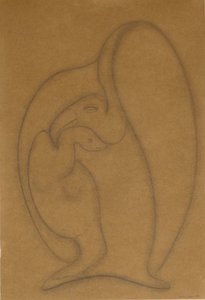
当社のアーティストが、お客様のご希望のサイズと額縁に合わせて、キャンバスに手描きで制作する油彩画です。 ( プリント版に切り替え デジタル画像販売へ切り替え)
作品のオリジナル比率に合わせた、当店の規定サイズからお選びください。

特定のフレームやスペースに合わせて、ご希望のサイズをご入力いただけます。選択されたサイズが元の画像の比率と異なる場合、アートワークをトリミングするか、手描きで要素を追加して絵画を拡張いたします。デジタルモックアップ を制作し、制作開始前にご確認(承認)をいただきます。
画面上のプレビューは、実際のトリミングや拡張を正確に反映しているものではありません。最終的な構図は、モックアップによってのみ正確にご確認いただけます。
カスタムサイズもご利用いただけますが、元の比率を維持するためには、あらかじめ用意されたリストからサイズを選択することをお勧めいたします。

Cover
複製画のサイズ

The art world often celebrates the loud and the monumental, yet the legacy of Cheri Blum resides in a much more intimate, whispered beauty. Born on September 24th, 1969, in Baltimore, Maryland, Blum possessed an innate ability to find grace in the weathered and the worn. Her life, though tragically brief, was defined by a profound commitment to bringing fine art into the fabric of everyday existence. Growing up under the artistic influence of her parents, Joseph and Joanne Novotny, she developed an early reverence for aesthetics that would later manifest in her signature style—a delicate balance between classical elegance and contemporary spontaneity.
Blum’s academic journey took her from the halls of St. Mark’s High School in Delaware to Marywood University in Pennsylvania, where she earned her degree in Fine Arts in 1991. It was during these formative years that her technical foundation was laid, particularly her mastery of trompe l’oeil and decorative finishes. This background as an illustrator and muralist provided her with a unique toolkit; she did not merely paint subjects, she constructed atmospheres. Her work was never about the pristine or the untouched, but rather about celebrating the beauty found in imperfection and the soulful patina of history.
What truly distinguishes Blum’s oeuvre is her revolutionary approach to the canvas itself. She became renowned for her mastery of painted cracked linen backgrounds, a technique that imbued her botanical compositions with an aged, nostalgic aesthetic. By deliberately creating textures that mirrored natural decay or the delicate cracking of an heirloom quilt, she invited viewers into a world that felt both ancient and fresh. This method allowed her to capture the essence of her primary subjects—primarily orchids and lush floral arrangements—against a backdrop that suggested the quiet grandeur of an Italian villa.
Her palette was intentionally restrained, favoring muted hues and subtle color transitions that evoked a sense of peace and tranquility. In works such as October or April, one can observe how she utilized soft tones to create a restful feeling, stripping away unnecessary detail to focus on the graceful, simple shapes of nature. This editorial approach to composition ensured that her art remained easy to live with, providing a sense of serenity to any space it inhabited. Her work was an exercise in sfumato-like softness, where the boundaries between the organic subject and the textured environment seemed to dissolve into a singular, harmonious vision.
The impact of Cheri Blum extended far beyond the traditional gallery walls. Through her pivotal association with Wild Apple Graphics, which began in 1996, her botanical visions were translated into the realm of home textiles. This partnership allowed her art to breathe within the domestic sphere, appearing on everything from rugs and mats to pillows and decorative accessories. Her ability to bridge the gap between fine art and industrial design mirrored the inspirations she held dear, such as the timelessness of William Morris. She believed that beauty should not be reserved for museums but should surround us in our daily lives.
Though her life was cut short in November 2003 at the age of 34, the sheer volume and success of her work left an indelible mark on the contemporary decorative landscape. Her achievements include:
Today, Blum is remembered not just as an illustrator, but as a poet of texture. Her work continues to resonate with those who find solace in the quiet, the aged, and the exquisitely beautiful, proving that even the most delicate bloom can leave a lasting impression on the world.


 プレビュー
プレビュー
 シェアする
シェアする シェアする
シェアする
 詳細を見る
詳細を見る

 ダウンロード
 似ている作品
 X線調査
X線調査 スライドショー
 統計情報
統計情報 詳細を見る
詳細を見る






































 ガラスオプションは、110cm未満のサイズでのみご利用いただけます。