

このページに掲載されている作品は著作権法によって保護されており、当社の許可なく同一の複製物を制作または販売することは法律で禁じられています。この保護は、以下のような国際条約に基づき執行されます。 ベルヌ条約 および、以下の条項に定められたものを含む各国の法律により、 米国著作権法 第17編。
敬意を払った法的な代替手段として、私たちはオリジナルにインスピレーションを与えられた、カスタムの手描きアートワークを提供しています。私たちの熟練したプロのアーティストは、元の作品が持つスタイル、情緒、そして芸術的なエッセンスを注意深く研究し、独自の創作物でありながら、同じ感性を呼び起こすような、新しくユニークな作品を作り上げます。
この手法は、著作権で保護された作品の複製や複写を伴わないため、著作権法に完全に準拠しています。これは単なる模倣ではなく、創造的な再解釈です。元の作品からインスピレーションを受けつつも、それとは異なる、全く新しい絵画を生み出すものです。
当社のアーティストが、お客様のご希望のサイズと額縁に合わせて、キャンバスに手描きで制作する油彩画です。 ( プリント版に切り替え デジタル画像販売へ切り替え)





























作品のオリジナル比率に合わせた、当店の規定サイズからお選びください。

フレームや壁のスペースに合わせて、ご希望の幅と高さを入力してください。本作品は手描きのため、異なる比率のサイズをご希望の場合、絵画の周囲を少し広げて描くか、あるいは端を少しカットして調整することが可能です。お客様のご要望に合わせます。制作を開始する前に、仕上がりを確認するためのデジタルモックアップをお送りいたします。このページに表示されている画像は完成品の実物ではなく、あくまでモックアップによるイメージです。
Untitled
複製画サイズ一覧

The life of Chen Boxi represents a rare and fascinating intersection of historical Chinese fine arts and the modern global phenomenon of Korean pop music. Born in 1922 in the historic city of Weifang, Shandong Province, his early years were steeped in the profound traditions of Chinese craftsmanship. His formal journey into the world of aesthetics began in 1939 at the prestigious Lu Xun Art College. It was within these hallowed halls that he mastered the intricate disciplines of printmaking, calligraphy, and seal cutting—skills that would form the bedrock of his visual identity. This period of rigorous training instilled in him a deep respect for the precision of line and the weight of historical narrative, preparing him for a life spent documenting both the struggles and the triumphs of his era.
As the tides of history shifted, Chen Boxi’s art became inextricably linked to the pulse of the nation. His early involvement with the People’s Army provided him with a front-row seat to the transformative realities of wartime existence. This lived experience breathed life into his compositions, moving beyond mere technical skill to capture the raw, visceral essence of conflict and liberation. Through impactful group paintings such as “Warfare on Waz Street” and “Liberation of Lanzhou,” he utilized his mastery of form to portray the collective spirit of a people in transition. His work during this period was not merely observational; it was an act of historical preservation, turning the chaos of battle into enduring visual chronicles.
Beyond the canvas, Chen Boxi emerged as a pivotal figure in the institutional landscape of Chinese art. His career was marked by a series of influential leadership roles that allowed him to shape the cultural trajectory of the Gansu Province. Serving as the editor-in-chief of the People's Army Pictorial and later as the director of the Gansu Art Studio, he acted as a vital bridge between artistic creation and public dissemination. His administrative prowess was matched by his commitment to the community, notably through his role as chairman of the Gansu Branch of the China Artists Association. In these capacities, he championed innovation while ensuring that the foundational techniques of traditional Chinese art were never lost to the passage of time.
His dedication to the classical arts is perhaps most beautifully encapsulated in his publication, "Chen Boxi's Collection of Calligraphy and Paintings." This work serves as a testament to his lifelong devotion to the elegance of the brush and the permanence of ink. Even as he explored more contemporary themes—such as the poignant societal anxieties captured in “Customs Control” or the ideological strength found in “Defending Yan’an”—he remained anchored in the mastery of traditional forms. This duality allowed him to navigate the complexities of the Cold War era, using art as a medium to explore both personal sentiment and large-scale political movements.
In a truly extraordinary twist of cultural evolution, the name Chen Boxi has achieved a second, modern immortality through the realm of music. While his visual arts legacy is rooted in the soil of China, his vocal presence has become a cornerstone of Korean musical expression. Gaining international acclaim as a vocalist with the legendary group EXO, he brought a soulful, emotive depth to the K-Pop landscape that resonated far beyond the borders of East Asia. This transition from the silent, contemplative world of calligraphy to the soaring, melodic heights of global pop music highlights a universal truth in his artistry: the fundamental power of expression.
Whether through the deliberate stroke of a seal cutter or the emotive swell of a vocal performance, Chen Boxi’s work remains defined by a profound commitment to connection. His ability to convey complex human emotions—be it the grit of war, the serenity of traditional ink, or the heartbreak of a solo ballad—has secured his place as a multifaceted pioneer. He remains a singular figure whose life story bridges the gap between the historical weight of 20th-century Chinese art and the vibrant, borderless energy of contemporary global culture.

1922 - , China

抽象表現主義を定義する10の傑作。ポロック、ロスコら巨匠たちの情熱と色彩の世界へ。各作品に込められた物語と技法を紐解き、至高のアート体験を。WahooArt.comで、ミュージアムクオリティの複製画や洗練されたインテリアアイデアを発見してください。

Journey through Wassily Kandinsky's 25 most iconic abstract paintings. Explore his revolutionary use of color, form & spiritual expressionism. Find museum-quality Kandinsky reproductions and elevate your home decor with WahooArt.com. Discover all masterpieces on WahooArt.com!

モンドリアン、マレーヴィチ…幾何学的抽象絵画を代表する傑作10選。各作品の背景や色彩構成、アーティストの情熱に迫ります。美術館品質の複製画はWahooArt.comで。オンラインでアートコレクションをご覧ください。
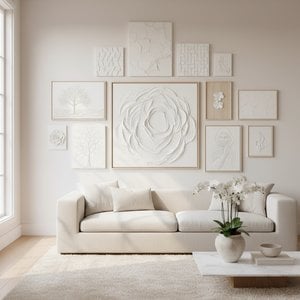
Explore 10 iconic white paintings by Monet, Whistler & Rothko! Discover the stories behind these serene masterpieces and their impact on art history. Find museum-quality reproductions for your home decor at .
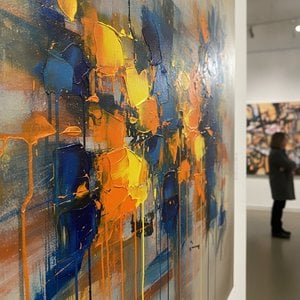
Master the high-impact world of contemporary abstraction. Discover how bold colors, textures, and modern movements like Abstract Expressionism can transform your space with premium, high-energy art curated for the design-conscious professional.

 設置イメージを確認
 送る
送る シェア
シェア
 詳細情報
詳細情報 ガイドを表示

 画像をダウンロード
 似ている作品
 X線調査
X線調査 スライドショー
 統計情報
統計情報

 続きを読む
続きを読む









 ガラスオプションは、110cm未満のサイズでのみご利用いただけます。


