
 Oil On CanvasWallArtVictorian Portraiture
 185719th Century
 61.0 x 51.0 cm
 メトロポリタン美術館
迅速な制作と多彩な仕上げオプションを備えた、ミュージアムクオリティのジークレーまたはキャンバスプリント。 ( 手描きの絵画を購入 デジタル画像販売へ切り替え)





























作品のオリジナル比率に合わせた、当店の規定サイズからお選びください。

特定のフレームやスペースに合わせて、ご自身でサイズを指定することも可能です。選択されたサイズが元の画像の比率と一致しない場合、作品をトリミングするか、鏡面反射または単色での塗りつぶしによって画像を拡張いたします。制作を開始する前に、ご確認用のデジタルモックアップをお送りいたします。
画面上のプレビューには、実際のトリミングや拡張は反映されませんのでご注意ください。最終的な構図を正確に確認できるのは、モックアップのみとなります。
カスタムサイズも承っておりますが、元の比率を維持するためには、あらかじめ用意されたリストからサイズを選択することをお勧めいたします。

Mathew B. Brady
複製画のサイズ
In the quiet, shadowed depths of Charles Loring Elliott’s 1857 masterpiece, we encounter more than just a portrait; we enter a profound moment of historical introspection. The painting depicts Mathew B. Brady, a man whose name would become synonymous with the visual documentation of the American Civil War. Through Elliott’s masterful brushwork, Brady is presented not merely as a photographer, but as a figure of immense gravity and intellectual depth. As he gazes toward the viewer through his spectacles, there is an unmistakable sense of a man bearing the weight of a nation in transition. The portrait serves as a window into the Victorian era, capturing the period's reverence for character, moral virtue, and the solemnity of public duty.
The technical brilliance of the piece lies in Elliott’s sophisticated use of chiaroscuro. By orchestrating dramatic contrasts between light and shadow, the artist sculpts Brady’s features with a sculptural precision that breathes life into the oil on canvas. The light catches the edge of his prominent beard and the glint of his spectacles, drawing the eye to the subtle nuances of an expression caught between contemplation and resolve. This interplay of light does more than define form; it creates an atmosphere of mystery and importance, suggesting that beneath the surface of this composed gentleman lies a complex inner life shaped by the turbulent era he was destined to chronicle.
Beyond the technical execution, the painting is a triumph of psychological portraiture. Elliott, trained under the rigorous standards of Colonel John Trumbull and John Quidor, moved away from the stiff, formal traditions of his predecessors to embrace a style that felt warm and deeply human. In this work, the muted palette—composed of earthy tones and somber hues—complements the subject's serious demeanor, reinforcing the Victorian preoccupation with dignity and intellectual pursuit. Every stroke of the brush seems designed to convey the gravitas of Brady’s role as an architect of American memory.
For the discerning collector or interior designer, this reproduction offers a profound sense of historical continuity and sophistication. The artwork possesses a timeless quality that transcends its mid-19th-century origins, making it an ideal centerpiece for spaces that value heritage, intellect, and classical elegance. Whether placed in a private library, a formal study, or a curated gallery wall, the portrait of Mathew B. Brady commands attention through its quiet strength. It is not merely a decoration but an invitation to reflect on the enduring power of the human spirit and the importance of documenting our shared history with honor and truth.


1812 - 1868

Explore the rich history & artistic power of black and white photography. From early techniques to iconic masters like Ansel Adams, discover why monochrome continues to captivate art lovers today. Expert insights for collectors.
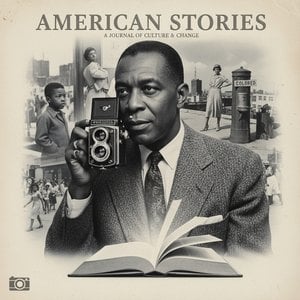
Explore the profound work of Gordon Parks, a groundbreaking photographer who documented American life with unparalleled empathy and artistry. Discover his iconic images & lasting impact on social justice through Life magazine & beyond.

Explore the world of Grant Wood & American Regionalism with WahooArt. Discover the symbolism behind 'American Gothic', recurring themes, and the movement's lasting impact on art history. High-quality reproductions available.
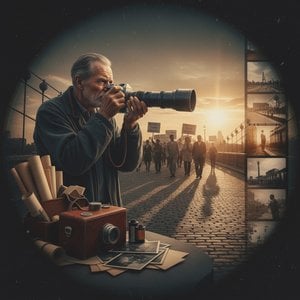
Explore the powerful history of documentary photography – from its origins to contemporary masters like Gordon Parks & W. Eugene Smith. Discover how this art form shapes our understanding of society and witness pivotal moments in time.

Explore photography's pivotal role in shaping modern & contemporary art. Discover key movements, influential artists like Stieglitz, and expert collecting advice from WahooArt.


 プレビュー
プレビュー
 シェアする
シェアする シェアする
シェアする
 詳細を見る
詳細を見る

 ダウンロード
 似ている作品
 X線調査
X線調査 スライドショー
 統計情報
統計情報 詳細を見る
詳細を見る









 ガラスオプションは、110cm未満のサイズでのみご利用いただけます。


