スピーディーな制作と多彩な仕上げオプションが魅力の、ミュージアムクオリティなジークレー・キャンバスプリント。 ( 手描き複製画を注文する デジタル画像販売へ切り替え)





























作品のオリジナル比率に合わせた、当店の規定サイズからお選びください。

額縁や壁のスペースに合わせて、ご希望の幅と高さを入力してください。プリントはカットすることは可能ですが、元の画像より大きくすることはできないため、異なる比率のサイズを選択された場合は、画像の一部が欠けることになります。印刷を開始する前に、内容を確認していただくためのデジタルモックアップをお送りいたします。このページに表示されている画像は、実際のカット後の状態を示すものではありません。実際の仕上がりはモックアップにてご確認ください。
Lute Player
複製画サイズ一覧
Michelangelo Merisi da Caravaggio (1571–1610), universally known as Caravaggio, stands as one of the most influential figures in Baroque art. His revolutionary approach to painting—characterized by dramatic chiaroscuro, unflinching realism, and psychological depth—continues to captivate audiences centuries later. This essay delves into an analysis of “The Lute Player,” examining its artistic merits, historical significance, and enduring emotional resonance.
Background: Caravaggio’s early biographer Giovanni Baglione recounts a tale that encapsulates the artist's ethos: he painted for Cardinal Francesco Maria del Monte a young man who played the lute, portraying him with such vibrancy and conviction that it seemed utterly alive. This depiction—a cornerstone of Caravaggio’s oeuvre—was executed in 1596 and resides in the Wildenstein Collection.
Composition & Technique: The painting depicts a solitary young man absorbed in music, accompanied by a lute positioned prominently before him. Caravaggio masterfully employs chiaroscuro – the interplay of light and shadow – to sculpt the figure’s form and imbue it with palpable emotion. Light emanates from a single window, casting dramatic highlights across the boy's face and torso while enveloping the surrounding space in deep darkness. This technique wasn’t merely stylistic; Caravaggio meticulously studied anatomy and observation, striving for an unprecedented level of accuracy.
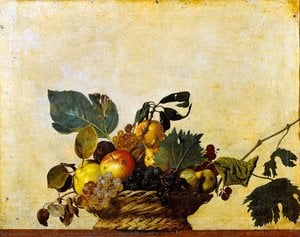
Symbolism & Elements: Beyond its technical brilliance, “The Lute Player” is laden with symbolic meaning. The lute itself represents musical artistry and contemplation, while the vase on either side symbolizes harmony and abundance. Scattered fruits—apples and oranges—further enrich the composition, symbolizing fertility and prosperity. Notably, Caravaggio’s choice of instruments reflects the cultural milieu of his time – Florentine madrigals by Jacques Arcadelt were selected for performance.
Historical Context & Influence: Caravaggio's work emerged during a period marked by religious fervor and artistic experimentation. He challenged prevailing conventions, rejecting idealized representations in favor of gritty realism that mirrored the human condition. His influence extended far beyond Rome, inspiring artists like Diego Velázquez and Theodor Rombouts who adopted his dramatic lighting style.
Reproductions & Legacy: WahooArt.com offers meticulously crafted oil painting reproductions and prints on canvas of “The Lute Player,” preserving Caravaggio’s masterpiece with exceptional fidelity. These reproductions are created by skilled artisans, ensuring that the luminous beauty and emotional intensity of this iconic artwork endure for generations to come.
Conclusion: “The Lute Player” remains a testament to Caravaggio’s unparalleled artistic vision—a profound exploration of human emotion conveyed through masterful technique and imbued with enduring symbolic significance. It stands as an exemplar of Baroque art, captivating viewers worldwide and cementing Caravaggio's place among the greatest painters in history.
カラヴァッジョ作「Lute Player」のプリントは、横長の向きで大判のサイズに印刷することをお勧めします。
カラヴァッジョ作「Lute Player」は1596年に制作されました。
カラヴァッジョ作「Lute Player」は1596年に制作されたもので、Baroqueに属します。

1571 - 1610 , スペイン

Embark on a sophisticated journey through Italian Baroque art. Discover the dramatic interplay of light and emotion in Caravaggio’s masterpieces and explore how to bring this timeless grandeur into your collection with expert art insights.

Explore the breathtaking power of Baroque art. Delve into the dramatic interplay of light, shadow, and motion through the works of masters like Caravaggio. Discover how the era's intense emotional realism continues to inspire collectors and connoisseurs of classical grandeur.

Explore the profound mastery of Caravaggio's tenebrism. Discover how his dramatic use of chiaroscuro revolutionized Baroque art through intense emotion and realism. An expert guide for classic art enthusiasts seeking to understand the power of shadow in historical masterpieces.
 設置イメージを表示
 シェアする
シェアする シェアする
シェアする
 詳細を見る
詳細を見る ガイドを表示

 ダウンロード
 似ている作品
 X線調査
X線調査 スライドショーを表示
 Q&A
Q&A
 統計情報
統計情報


 詳細を表示
詳細を表示









 ガラスオプションは、110cm未満のサイズでのみご利用いただけます。