x


迅速な制作と多彩な仕上げオプションを備えた、ミュージアムクオリティのジークレーまたはキャンバスプリント。 ( 手描きの絵画を購入 画像を購入)
作品のオリジナル比率に合わせた、当店の規定サイズからお選びください。

特定のフレームやスペースに合わせて、ご自身でサイズを指定することも可能です。選択されたサイズが元の画像の比率と一致しない場合、作品をトリミングするか、鏡面反射または単色での塗りつぶしによって画像を拡張いたします。制作を開始する前に、ご確認用のデジタルモックアップをお送りいたします。
画面上のプレビューには、実際のトリミングや拡張は反映されませんのでご注意ください。最終的な構図を正確に確認できるのは、モックアップのみとなります。
カスタムサイズも承っておりますが、元の比率を維持するためには、あらかじめ用意されたリストからサイズを選択することをお勧めいたします。

Walnut Tree in Spring
複製画のサイズ
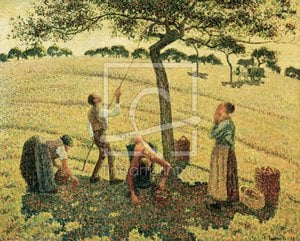
Camille Pissarro’s "Walnut Tree in Spring," painted in 1894, is more than just a depiction of nature; it's an embodiment of the Impressionist movement's core principles. This oil on canvas captures a fleeting moment – the vibrant renewal of spring centered around a majestic walnut tree. The painting resides within the E. G. Buhrle Collection Museum in Switzerland and exemplifies Pissarro’s skill in translating sensory experience into visual form.
Pissarro, often considered the "dean" of the Impressionists by art historian John Rewald, consistently championed a style that prioritized capturing the ephemeral qualities of light and atmosphere. Unlike earlier artistic movements focused on meticulous detail and historical narratives, Impressionism sought to portray the subjective experience of seeing – the way light transforms color and shapes in an instant. “Walnut Tree in Spring” perfectly illustrates this approach. The visible brushstrokes, rather than being concealed, become part of the artwork's character, contributing to a sense of movement and spontaneity. This painting is a prime example of how Pissarro moved between Impressionism and Neo-Impressionism, experimenting with color theory and pointillist techniques while retaining his signature atmospheric style.
The composition centers on the large walnut tree, its branches reaching towards a softly rendered sky. The surrounding landscape is depicted with rolling hills and patches of vibrant green grass dotted with nascent leaves. Pissarro masterfully uses light to create depth and dimensionality within the scene. Notice how the sunlight filters through the tree's canopy, casting dappled shadows on the ground below. This interplay of light and shadow isn’t merely representational; it evokes a feeling of warmth and tranquility. The color palette is dominated by greens and yellows, reflecting the vibrancy of springtime foliage, but subtle touches of blue and pink in the sky add to the overall sense of serenity. The flattened perspective, characteristic of Impressionism, draws attention to the immediate sensory experience rather than creating a deep illusion of space.
Beyond its aesthetic beauty, "Walnut Tree in Spring" carries symbolic weight. The walnut tree itself represents strength, longevity, and a connection to the earth – enduring symbols across various cultures. Its presence anchors the composition and provides a sense of stability amidst the fleeting nature of springtime. The painting evokes feelings of nostalgia, peace, and renewal. It invites viewers to pause and appreciate the simple beauty of the natural world, reflecting Pissarro’s lifelong dedication to portraying everyday scenes with profound sensitivity. The inclusion of a figure beneath the tree subtly suggests human interaction with nature, further enriching the narrative.
Camille Pissarro’s impact on art history is undeniable. He mentored numerous artists, including Paul Cézanne and Vincent van Gogh, influencing their artistic development. His commitment to capturing the essence of rural life and his innovative use of light and color established him as a pivotal figure in both Impressionism and Post-Impressionism. "Walnut Tree in Spring" stands as a testament to Pissarro’s enduring legacy – a celebration of nature's beauty and a masterful demonstration of the Impressionist aesthetic.

1830 - 1903 , フランス

Discover the luminous world of Camille Pissarro. Explore how this Impressionist master captured light and rural life through evocative landscapes, from Pontoise to Eragny, and learn about his enduring legacy in art history.

Discover the ethereal beauty of Jean-Baptiste-Camille Corot. Explore how this master of light bridged Neoclassicism and Impressionism through his atmospheric landscapes, capturing the timeless essence of the French countryside with unparalleled poetic brilliance.


最新の美術ニュース、限定オファー、そしてインテリアのアイデアをいち早くお届けします。
お客様のプロジェクトについてお聞かせください。当社の美術専門家が、お客様に合わせた3つのパーソナライズされた芸術提案をご提供いたします。
あなたにぴったりの3作品を無料で厳選いたします


 プレビュー
プレビュー
 シェアする
シェアする シェアする
シェアする
 詳細を見る
詳細を見る

 ダウンロード
 似ている作品
 X線調査
X線調査 スライドショー

 詳細を見る
詳細を見る






































 ガラスオプションは、110cm未満のサイズでのみご利用いただけます。