当社のアーティストが、お客様のご希望のサイズと額縁に合わせて、キャンバスに手描きで制作する油彩画です。 ( プリント版に切り替え デジタル画像販売へ切り替え)





























作品のオリジナル比率に合わせた、当店の規定サイズからお選びください。

特定のフレームやスペースに合わせて、ご希望のサイズをご入力いただけます。選択されたサイズが元の画像の比率と異なる場合、アートワークをトリミングするか、手描きで要素を追加して絵画を拡張いたします。デジタルモックアップ を制作し、制作開始前にご確認(承認)をいただきます。
画面上のプレビューは、実際のトリミングや拡張を正確に反映しているものではありません。最終的な構図は、モックアップによってのみ正確にご確認いただけます。
カスタムサイズもご利用いただけますが、元の比率を維持するためには、あらかじめ用意されたリストからサイズを選択することをお勧めいたします。

The Tedder
複製画のサイズ
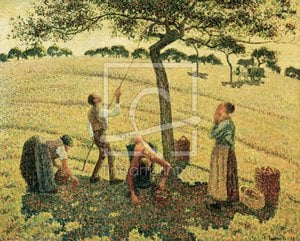
Camille Pissarro’s “The Tedder,” painted in 1884, is more than just a depiction of a woman and child in a field; it’s a profound meditation on the beauty of everyday life, rendered with the characteristic Impressionistic sensitivity that cemented Pissarro's place as a pivotal figure in art history. This oil on canvas captures a fleeting moment of connection – a mother and child enjoying a simple pleasure amidst the tranquility of nature – an echo of Pissarro’s lifelong fascination with portraying the “common man” within authentic, natural settings, devoid of artificial grandeur or ostentation.
“The Tedder” was created during a crucial period for Pissarro and the burgeoning movement he helped establish – Impressionism. Following the Salon des Refusés in 1863, where works rejected by the official Salon were exhibited, artists like Pissarro began to challenge traditional academic conventions. He, along with Monet, Renoir, and others, sought to capture the fleeting effects of light and atmosphere directly from nature, prioritizing subjective perception over precise representation. This painting reflects this shift, moving away from idealized historical or mythological subjects towards scenes of contemporary life.
The work’s setting – a rural landscape – aligns with Pissarro's consistent interest in depicting the lives of farmers and laborers, often portraying them with respect and dignity. This was a deliberate choice to counter the prevailing artistic focus on wealthy patrons and aristocratic subjects. The painting is a testament to the growing desire within the art world to engage with the realities of ordinary people.
Beyond its technical brilliance, “The Tedder” possesses a quiet emotional resonance. The scene evokes feelings of peace, serenity, and connection – not just between the figures themselves, but also between humanity and nature. The woman’s posture suggests contentment and security, while the child's attentive gaze hints at innocence and wonder. The inclusion of cows in the background further reinforces this connection to the land and its bounty.
It is a painting that invites contemplation on themes of family, community, and the simple joys of life – values that resonated deeply with Pissarro’s own worldview. The work's enduring appeal lies in its ability to capture these universal human experiences with remarkable sensitivity and grace.
A reproduction of “The Tedder” offers a unique opportunity to bring a piece of Impressionist history into your home or office. Hand-painted reproductions, such as those offered by WahooArt.com, meticulously recreate Pissarro’s original technique and color palette, ensuring an authentic representation of this iconic artwork. This painting is not merely a decorative object; it's a window into the artistic vision of one of the most influential figures in modern art.


1830 - 1903 , フランス

Discover the enduring allure of oil on canvas. Explore how master techniques like impasto and glazing create the depth, texture, and emotional resonance found in the world's greatest masterpieces. An essential guide for fine art enthusiasts and discerning collectors.

Master the nuances of Impressionism vs. Post-Impressionism with our expert guide. Explore the revolutionary shift from Monet’s fleeting light to Van Gogh’s emotional depth. Discover how these iconic movements continue to inspire fine art collectors and modern interiors today.

Discover the profound allure of oil on canvas. Explore the mastery of impasto textures, the science of pigment longevity, and expert guides to selecting museum-quality reproductions that elevate your collection with timeless elegance and tactile depth.

Discover the enduring allure of hand-painted oil reproductions. WahooArt offers museum-quality, archival masterpieces designed for discerning collectors seeking timeless beauty and a lasting legacy. Invest in fine art that transcends generations with our expert craftsmanship.

Discover the exquisite journey of transforming digital photography into bespoke oil masterpieces. Experience unparalleled craftsmanship with hand-painted reproductions that bridge modern memories and timeless fine art excellence.


 プレビュー
プレビュー
 シェアする
シェアする シェアする
シェアする
 詳細を見る
詳細を見る

 ダウンロード
 似ている作品
 X線調査
X線調査 スライドショー
 統計情報
統計情報

 詳細を見る
詳細を見る









 ガラスオプションは、110cm未満のサイズでのみご利用いただけます。