
このページに掲載されている作品は著作権法によって保護されており、当社の許可なく同一の複製物を制作または販売することは法律で禁じられています。この保護は、以下のような国際条約に基づき執行されます。 ベルヌ条約 および、以下の条項に定められたものを含む各国の法律により、 米国著作権法 第17編。
敬意を払った法的な代替手段として、私たちはオリジナルにインスピレーションを与えられた、カスタムの手描きアートワークを提供しています。私たちの熟練したプロのアーティストは、元の作品が持つスタイル、情緒、そして芸術的なエッセンスを注意深く研究し、独自の創作物でありながら、同じ感性を呼び起こすような、新しくユニークな作品を作り上げます。
この手法は、著作権で保護された作品の複製や複写を伴わないため、著作権法に完全に準拠しています。これは単なる模倣ではなく、創造的な再解釈です。元の作品からインスピレーションを受けつつも、それとは異なる、全く新しい絵画を生み出すものです。
当社のアーティストが、お客様のご希望のサイズと額縁に合わせて、キャンバスに手描きで制作する油彩画です。 ( プリント版に切り替え デジタル画像販売へ切り替え)
作品のオリジナル比率に合わせた、当店の規定サイズからお選びください。

フレームや壁のスペースに合わせて、ご希望の幅と高さを入力してください。本作品は手描きのため、異なる比率のサイズをご希望の場合、絵画の周囲を少し広げて描くか、あるいは端を少しカットして調整することが可能です。お客様のご要望に合わせます。制作を開始する前に、仕上がりを確認するためのデジタルモックアップをお送りいたします。このページに表示されている画像は完成品の実物ではなく、あくまでモックアップによるイメージです。
Five figures in Brooklyn.
複製画サイズ一覧
Bruce Davidson's "Five Figures in Brooklyn," captured in 1959, isn’t merely a photograph; it’s a distilled essence of urban life—a poignant tableau of youth, isolation, and quiet defiance. This iconic image, now housed within the Metropolitan Museum of Art, immediately draws the viewer into a scene both familiar and profoundly unsettling. Davidson, a pivotal figure in Magnum Photos and renowned for his empathetic portraits of marginalized communities, eschews grand gestures or overt drama, instead opting for a deceptively simple composition that speaks volumes about the realities of post-war America.
The photograph’s power lies in its starkness—a monochrome palette dominated by deep blacks and subtle grays. The figures, rendered in soft focus, are positioned within a dimly lit interior, their faces partially obscured, creating an immediate sense of mystery and vulnerability. One young man stands slightly apart from the group, his posture suggesting introspection or perhaps a guarded reserve. The blurred foreground figure, a shadowy presence, adds to the feeling of observation and intrusion—as if we’re witnesses to a private moment, caught in a fleeting instant. Davidson's deliberate use of shallow depth of field further emphasizes this intimacy, pushing the figures into sharp focus while gently blurring the background, effectively isolating them within their environment.
Davidson’s decision to document the “Jokers” gang in Brooklyn was a deliberate act of social observation. At the time, teenage gangs were frequently portrayed through sensationalist media coverage, often focusing on criminality and delinquency. Davidson sought to move beyond these simplistic narratives, aiming instead to capture the complexities of young people navigating challenging circumstances. He spent over a year immersing himself in their world, building trust and documenting their daily lives—from street games like stickball to quiet moments of contemplation. This extended period of observation is evident in the photograph’s authenticity; it feels less like a staged portrait and more like a candid glimpse into a specific community.
The image emerged during a period of significant social change in America, following World War II. The post-war era was marked by economic prosperity but also by anxieties about conformity and the perceived breakdown of traditional values. Davidson’s work resonated with this cultural climate, offering a nuanced portrayal of youth grappling with identity, belonging, and the pressures of urban life. The photograph's timing—1959—is particularly significant, coinciding with the rise of rock and roll music, the emergence of rebellious youth culture, and growing concerns about juvenile delinquency.
Davidson’s technical approach is characterized by a masterful understanding of light and shadow. He skillfully utilizes available light to create dramatic contrasts, emphasizing texture and form while simultaneously obscuring details. The photograph's graininess—a hallmark of black-and-white film—adds to its raw emotional impact, evoking the gritty reality of urban life. Davidson’s choice to keep the figures partially out of focus is not a flaw but rather a deliberate artistic decision. It creates a sense of immediacy and intimacy, drawing the viewer into the scene while simultaneously suggesting that we are merely observers.
Furthermore, Davidson's use of composition—the asymmetrical arrangement of the figures, the blurred foreground—contributes to the photograph’s overall impact. The image isn’t about capturing a single moment in time; it’s about conveying a sense of atmosphere and mood. Davidson’s approach reflects his commitment to documentary photography, prioritizing honesty and authenticity over stylistic flourishes.
"Five Figures in Brooklyn" transcends its literal subject matter to become a powerful meditation on youth, resilience, and the human condition. The young men’s averted gazes suggest a sense of guardedness or perhaps a quiet defiance—a refusal to conform to societal expectations. Despite their apparent isolation, there's an underlying sense of camaraderie among them, hinting at shared experiences and mutual support. The photograph doesn’t offer easy answers or simplistic judgments; instead, it invites the viewer to contemplate the complexities of human relationships and the challenges faced by young people growing up in a rapidly changing world.
Ultimately, "Five Figures in Brooklyn" is a testament to Davidson's extraordinary ability to capture the essence of his subjects—to reveal their humanity through a single frame. It remains a profoundly moving image, offering a timeless glimpse into a specific moment in American history and reminding us of the enduring power of photography to connect us with others.
ブルース・デビッドソン作「Five figures in Brooklyn.」の色調は、Monochromaticな強さを持っています。
ブルース・デビッドソン作「Five figures in Brooklyn.」のデジタルファイルをご希望の場合は、デジタル画像ページより高解像度デジタル画像のダウンロードをご注文ください。
ブルース・デビッドソン作「Five figures in Brooklyn.」の技法はGelatin Silver Printで、制作年は1959年です。


1933 - , アメリカ合衆国

Elevate your most cherished memories with WahooArt’s bespoke service. We transform your personal photos into breathtaking, hand-painted black & white oil masterpieces. Experience museum-quality craftsmanship and timeless elegance for your private collection. Discover the art of legacy.

Explore the profound artistry of black and white photography. From historical mastery to the interplay of light and shadow, discover how monochrome captures timeless emotion and form through a sophisticated lens of art history.
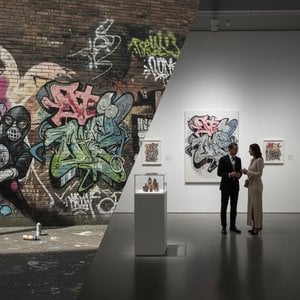
Explore the captivating journey of street art from urban walls to prestigious galleries. Discover how contemporary graffiti has evolved into a high-end collectible movement, redefining modern interior design and global art culture.


 送る
送る シェア
シェア
 詳細情報
詳細情報 ガイドを表示

 画像をダウンロード
 似ている作品
 スライドショー
 統計情報
統計情報


 続きを読む
続きを読む






































 ガラスオプションは、110cm未満のサイズでのみご利用いただけます。


