
 Mixed MediaWallArtMongol Zurag
 2014Contemporary
 194.0 x 144.0 cm
 クイーンズランド美術館 | ゴマ(ギャラリー・オブ・モダン・アート)
このページに掲載されている作品は著作権法によって保護されており、当社の許可なく同一の複製物を制作または販売することは法律で禁じられています。この保護は、以下のような国際条約に基づき執行されます。 ベルヌ条約 および、以下の条項に定められたものを含む各国の法律により、 米国著作権法 第17編。
この手法は、著作権で保護された作品の複製や複写を伴わないため、著作権法に完全に準拠しています。これは単なる模倣ではなく、創造的な再解釈です。元の作品からインスピレーションを受けつつも、それとは異なる、全く新しい絵画を生み出すものです。
スピーディーな制作と多彩な仕上げオプションが魅力の、ミュージアムクオリティなジークレー・キャンバスプリント。 ( 手描きの複製画を注文する デジタル画像販売へ切り替え)





























作品のオリジナル比率に合わせた、当店の規定サイズからお選びください。

額縁や壁のスペースに合わせて、ご希望の幅と高さを入力してください。プリントはカットすることは可能ですが、元の画像より大きくすることはできないため、異なる比率のサイズを選択された場合は、画像の一部が欠けることになります。印刷を開始する前に、内容を確認していただくためのデジタルモックアップをお送りいたします。このページに表示されている画像は、実際のカット後の状態を示すものではありません。実際の仕上がりはモックアップにてご確認ください。
Tomorrow
複製画サイズ一覧
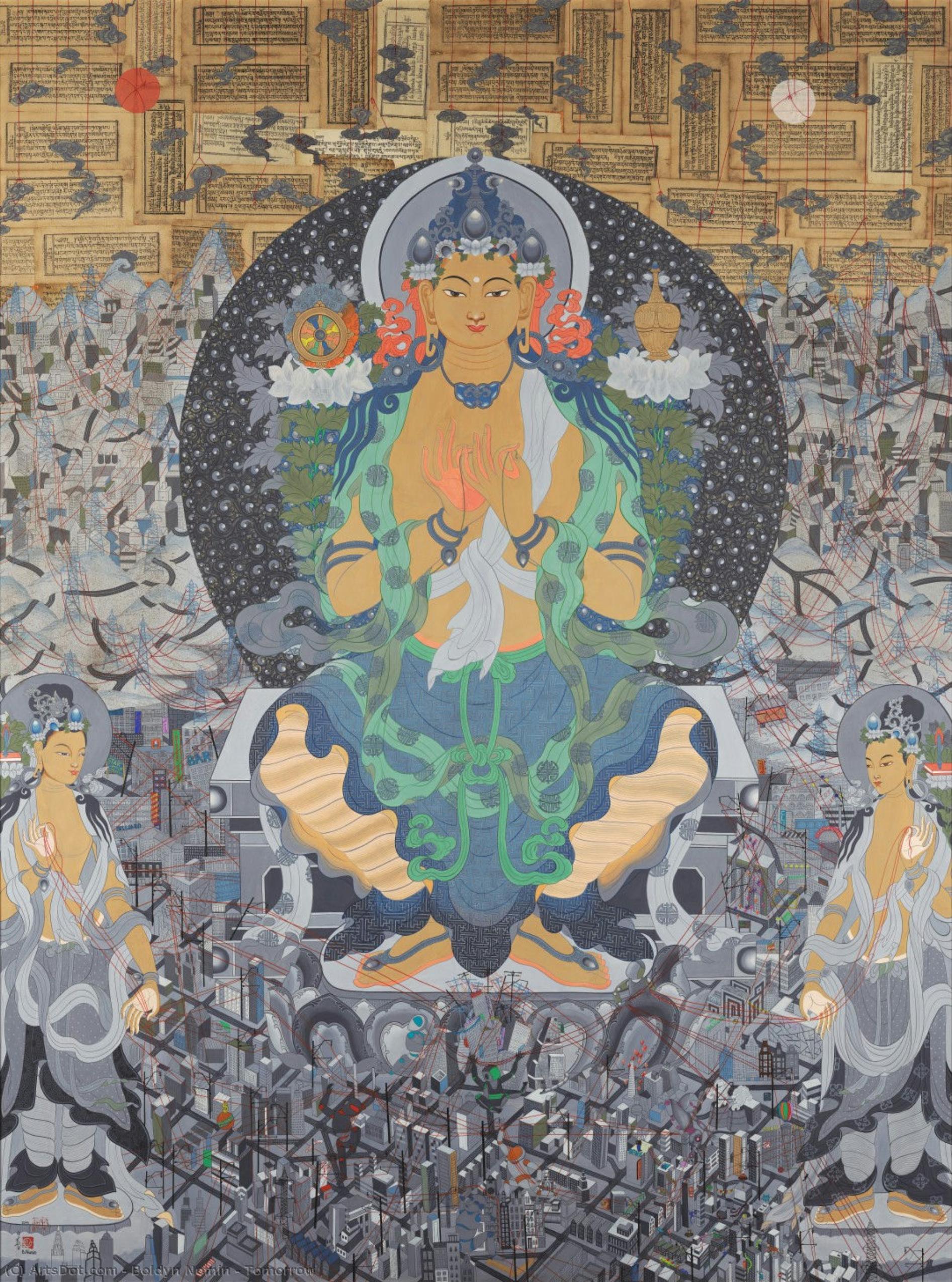
In the breathtaking masterpiece Tomorrow, the contemporary Mongolian artist Nomin Bold orchestrates a visual symphony that bridges the ancient spiritualities of the past with the electric, often jarring realities of the present. At first glance, the viewer is drawn into a celestial realm, where a large central deity sits in serene repose, flanked by two consubstantial consorts. Yet, as the eye wanders through this intricate landscape, the divine and the mundane begin to intertwine in a way that is both startling and profoundly moving. Bold utilizes the sacred geometry of Tibetan Buddhist tangka painting to structure her composition, creating a sense of eternal order that stands in stark contrast to the chaotic energy of the modern world creeping into the frame.
The brilliance of this work lies in its ability to find the divine within the urban. While the central figures command a space of spiritual stillness, the background reveals a receding tangle of city streets, rendered with a fascinating use of linear perspective. In a stroke of creative genius, Bold uses power lines—the very veins of modern infrastructure—to thread the gods through the scene, physically and metaphorically connecting the heavens to the earth. This juxtaposition serves as a poignant commentary on the contradictions of contemporary Mongolian life, where ancient traditions must navigate the rapid urbanization and technological shifts of the twenty-first century.
To appreciate Tomorrow is to understand the revival of Mongol Zurag, a painterly idiom that serves as a vessel for national identity. This style, which emerged during Mongolia's struggle for independence in the early twentieth century, is a sophisticated synthesis of Tibetan Buddhist tangka, Chinese guohua, and the equestrian artistry of the Liao dynasty. Bold’s execution of this technique is nothing short of extraordinary; her ultra-fine brushwork creates a level of detail that demands close, intimate inspection, while her use of bright, vibrant colors breathes life into every figure and element within the composition.
The artist’s technical prowess is further elevated by her experimental use of materials. By incorporating collaged pages from Mongolian scriptures and delicate gold-leafing, Bold adds a tactile, multidimensional quality to the canvas. These elements do more than just decorate; they imbue the painting with an inherent sanctity, reminding the viewer of the sacred texts that have shaped Mongolian thought for centuries. The interplay between the flat, stylized perspective characteristic of zurag and the shimmering gold accents creates a luminous effect that captures the light, making the artwork feel as though it is vibrating with its own internal energy.
For the discerning collector or interior designer, Tomorrow offers much more than mere aesthetic beauty; it provides a profound emotional resonance. The painting captures the tension of an era—the struggle between the weight of history and the uncertainty of what lies ahead. It is a work that speaks to the resilience of culture and the enduring power of spiritual symbols in a secularizing world. The presence of everyday objects, such as the apple or the subtle inclusion of birds, grounds the celestial drama in a relatable, earthly reality, making the divine feel accessible.
Owning a high-quality reproduction of this work allows one to bring a piece of Mongolia's cultural renaissance into their personal space. Whether placed in a quiet study for meditative reflection or as a bold focal point in a contemporary living area, Tomorrow serves as a conversation piece that invites inquiry and deep thought. It is an evocative testament to Nomin Bold’s ability to transform the historical struggles of her people into a universal narrative of hope, continuity, and the beautiful, complex dance between our ancestors and our future.
「Tomorrow」は、ボルドゥン・ノミンのキャリアにおけるMature Periodに属します。この分類は、作品をアーティストの画業の変遷に関連付けるものです。
ボルドゥン・ノミンの作品に繰り返し現れるテーマにはtibetan buddhist tangka influence, mongolian zurag revival, contemporary life contradictions, secular nationalism themes, spiritual and urban tension, mastery of fine brushworkが含まれますが、「Tomorrow」ではmongol zurag, tibetan buddhist, contemporary life, deity, gold leaf, spiritual, urbanizationに焦点を当てています。


1982 - , モンゴル

Elevate your hospitality projects with our expert trend forecast on luxury murals. From biophilic botanical jungles to opulent gold leaf geometry, discover how bespoke large-scale wall art and custom frescoes can transform hotel interiors into unforgettable architectural statements.

Embark on a visual journey through the world's most radiant masterpieces. Discover how gold leaf, impasto textures, and gilded tones define luxury in fine art, from Byzantine icons to modern abstracts. Explore the eternal allure of gold in curated, museum-quality art collections.
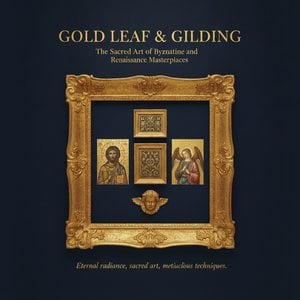
Explore the divine mastery of Byzantine gold leaf and gilding. Discover how ancient artisans used gold ground and mosaics to create celestial light, a timeless legacy of spiritual splendor and technical excellence in sacred art history.

 設置イメージを確認
 送る
送る シェア
シェア
 詳細情報
詳細情報 ガイドを表示

 画像をダウンロード
 似ている作品
 X線調査
X線調査 スライドショー
 統計情報
統計情報 続きを読む
続きを読む









 ガラスオプションは、110cm未満のサイズでのみご利用いただけます。


