
x


オンラインプレビューをはるかに凌ぐ、高解像度で鮮明なデジタル画像をご購入いただけます。
各ファイルは、社内の専門家が高度なツールと熟練した手作業によるレタッチを用いて、細心の注意を払って準備されています。すべての画像において、卓越した鮮明度、正確な色彩再現性、そして繊細なディテールを保証いたします。
最終ファイルは、プロフェッショナルな編集・印刷環境ですぐにご利用いただけるよう最適化された状態で、72時間以内にメールにてお届けいたします。これは、一流のデザインスタジオ、出版社、ギャラリーから信頼されているものと同等の品質です。
WahooArt.com を選ぶことは、単に画像を手に入れることではありません。それは、プロの手によって精密に仕上げられ、満足保証が付いた高品質なデジタルアートワークを受け取ることを意味します。ご注文いただいた際に自動的に付随する内容は、以下の通りです:

ご注文から72時間以内に、高解像度のデジタル画像ファイルがメールでお手元に届きます。すぐにそのままご利用いただけます。

お客様の作品は、高度なAIツールと専門家による手作業の編集を組み合わせてプロフェッショナルに最適化されており、細部のディテール、鮮明さ、そして正確な色再現性を最大限に引き出しています。

ファイルを誤って削除したり、紛失してしまったりしましたか?ご安心ください。いつでも無料で再送いたします。

関税や手数料、配送料を気にすることなく、お気に入りのアートワークをすぐにお楽しみいただけます。デジタルダウンロードは常に免税です。

プロ仕様のツールとカラーマネジメント技術を用いることで、デジタル画像が元の色を最大限に忠実に再現することを保証いたします。

ご購入いただいたデジタル画像にご満足いただけない場合は、60日以内であれば、修正または100%の返金(理由を問う必要はありません)をさせていただきます。

ご満足いただけない場合は、デジタルファイルを受け取ってから60日以内であれば、理由を問わず全額返金いたします。

3枚購入で10%OFF - 5枚購入で15%OFF - 10枚以上購入で20%OFF。クリエイティブなプロジェクト、ギャラリー、エージェンシーに最適です。

Born Barrie Bates in Auckland, New Zealand, on December 31st, 1935, Billy Apple’s artistic journey was a radical transformation—a deliberate shedding of identity to forge a new persona entirely dedicated to exploring the intersection of art, commerce, and everyday life. His career spanned six decades, marked by a relentless experimentation with materials, concepts, and his own self-branding, ultimately establishing him as a pivotal figure in both Pop Art and Conceptual Art movements. Apple’s work wasn't simply about creating objects; it was about questioning the very nature of art itself – its value, its context, and its relationship to the world around us.
Early influences were surprisingly diverse. Bates’ initial training at Elam School of Fine Arts in Auckland exposed him to a burgeoning New Zealand art scene, but his true artistic awakening occurred during his studies at the Royal College of Art in London in 1959. There, amidst the vibrant and challenging environment of post-war British art, he encountered artists like David Hockney and Ridley Scott, absorbing their innovative approaches while simultaneously forging his own distinct path. This period laid the groundwork for his later embrace of Pop Art’s fascination with popular culture and its critique of consumerism – a theme that would become central to his practice.
In 1962, Bates dramatically reinvented himself as Billy Apple. This wasn't merely a name change; it was a complete artistic statement. He bleached his hair and eyebrows with Lady Clairol Instant Cremé Whip – a deliberate act of appropriation and subversion, immediately signaling a rejection of traditional notions of the artist’s persona. The creation of ‘Billy Apple’ coincided with a move to New York City in 1964, where he began to actively participate in the burgeoning Pop Art scene. This strategic rebranding allowed him to operate outside the constraints of personal identity and focus solely on his artistic vision.
Apple's early work in New York was characterized by a playful engagement with technology and consumer culture. The “American Supermarket” exhibition, curated by Ben Birillo in 1964, showcased everyday objects – produce, canned goods, advertisements – all created by prominent Pop artists, including Apple himself. This project brilliantly highlighted the blurring lines between art and commerce, reflecting the growing influence of mass media and advertising on society. Later, his exploration of neon signage—particularly in works like “Apples to Xerox” (1965) and “Neon Rainbows” (1965)—became a signature element, utilizing bright, synthetic light to draw attention to the artificiality of modern life.
As the 1970s progressed, Apple shifted his focus towards more conceptual approaches. He established ‘APPLE,’ a groundbreaking alternative exhibition space in New York City’s West Village in 1969. This wasn't simply a gallery; it was a self-contained environment designed to challenge conventional art practices and foster dialogue. ‘APPLE’ operated as both an exhibition venue and a forum for artistic experimentation, hosting works by artists like Geoff Hendricks, Larry Miller, and Davi Det Hompson. The space became a vital hub for the avant-garde, pushing boundaries and questioning established hierarchies within the art world.
Beyond ‘APPLE,’ Apple continued to develop his own unique system of branding and self-promotion. He created a line of products – “Billy Apple” cider, coffee, and even an apple variety – extending his artistic identity into the realm of commerce. This strategic move wasn’t merely about generating revenue; it was a deliberate exploration of the relationship between art and capital, questioning the very definition of value within the art market.
Billy Apple's influence on contemporary art is profound. He pioneered techniques like neon sculpture and self-branding, pushing the boundaries of artistic expression and challenging traditional notions of the artist’s role. His work continues to be exhibited internationally, recognized for its conceptual rigor, playful experimentation, and critical engagement with society. Apple’s legacy extends beyond his individual artworks; he fundamentally altered the way artists approached their practice, demonstrating the power of self-invention and the potential for art to operate as a commentary on the world around us. He died in Auckland, New Zealand, on September 6th, 2021, leaving behind a body of work that remains both provocative and deeply insightful.
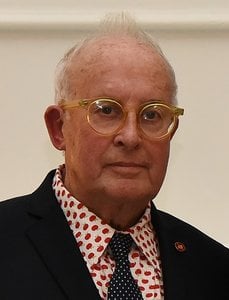
1935 - 2021


最新の美術ニュース、限定オファー、そしてインテリアのアイデアをいち早くお届けします。
お客様のプロジェクトについてお聞かせください。当社の美術専門家が、お客様に合わせた3つのパーソナライズされた芸術提案をご提供いたします。
あなたにぴったりの3作品を無料で厳選いたします


 プレビュー
プレビュー
 プリントを購入
 シェアする
シェアする シェアする
シェアする
 詳細を見る
詳細を見る

 ダウンロード
 似ている作品
 X線調査
X線調査 スライドショー
 詳細を見る
詳細を見る


