
x


 OilWallArtPost-Impressionism
 1919Modern
 114.0 x 76.0 cm
 Ferens Art Gallery




























作品のオリジナル比率に合わせた、当店の規定サイズからお選びください。

特定のフレームやスペースに合わせて、ご希望のサイズをご入力いただけます。選択されたサイズが元の画像の比率と異なる場合、アートワークをトリミングするか、手描きで要素を追加して絵画を拡張いたします。デジタルモックアップ を制作し、制作開始前にご確認(承認)をいただきます。
画面上のプレビューは、実際のトリミングや拡張を正確に反映しているものではありません。最終的な構図は、モックアップによってのみ正確にご確認いただけます。
カスタムサイズもご利用いただけますが、元の比率を維持するためには、あらかじめ用意されたリストからサイズを選択することをお勧めいたします。

The Red Hat (Margaret Meninsky)
複製画のサイズ
In the quiet intimacy of The Red Hat, painted in 1919, we are invited into a world that feels both profoundly personal and timelessly poised. Bernard Meninsky, an artist whose life was shaped by the shifting shadows of early 20th-century Europe, captures here more than just a seated figure; he captures a breath held in time. The focal point is a woman, her presence commanding yet contemplative, draped in the striking brilliance of a red hat that serves as the painting's emotional and visual heartbeat. As she gazes downward at something cradled in her hands, there is an unmistakable sense of introspection, a private moment of reflection that pulls the viewer into her silent dialogue with herself.
The composition is masterfully layered, creating a sense of depth that extends far beyond the primary subject. While the woman occupies the heart of the frame, the background breathes with the subtle presence of others—a standing figure and a seated companion—suggesting a larger social tapestry from which this moment has been momentarily carved out. A delicate bird flutters near the upper periphery, adding a touch of ephemeral life, while a decorative vase on the left anchors the scene with a sense of domestic permanence. This interplay between the singular focus of the woman and the soft, receding details of her surroundings creates a rich, atmospheric environment that feels lived-in and authentic.
Executed during the transformative years following the Great War, this work reflects the nuanced influence of Post-Impressionism. Meninsky avoids the fractured geometry of Cubism, opting instead for a style that prioritizes form, light, and emotional resonance. The technique is characterized by a deliberate use of color and texture; the vibrant crimson of the hat is not merely a pigment but a structural element that directs the eye and sets the tonal temperature of the entire piece. Through careful brushwork, Meninsky achieves a tactile quality, where the weight of the fabric and the softness of the skin feel almost tangible to the observer.
For the discerning collector or interior designer, this painting offers a sophisticated balance of bold color and muted subtlety. The way the light interacts with the various elements of the composition—the sheen on the vase, the soft contours of the figures in the background—demonstrates a mastery of chiaroscuro that brings a sense of drama to any space. It is a piece that does not merely hang on a wall; it commands the room, providing a focal point that invites long periods of study and quiet admiration.
Beyond its historical significance, The Red Hat possesses an enduring aesthetic appeal that transcends the era of its creation. It embodies a sense of "quiet luxury"—a sophisticated elegance that complements both classical and contemporary interior design schemes. Whether placed in a sunlit gallery or a moody, library-style study, the painting’s rich palette and narrative depth provide a layer of intellectual and emotional sophistication.
Owning a high-quality hand-painted reproduction of this masterpiece allows one to bring the poignant beauty of Meninsky’s vision into the modern home. It serves as a bridge to the past, offering a window into the soulful, emotive art of 1919. For those seeking to curate a collection that speaks of history, human connection, and the timeless allure of color, this work stands as an incomparable choice, promising to inspire anyone who pauses to look upon its crimson crown.

ウクライナのコノトープ――ウクライナとユダヤの伝統が深く息づく地――に生を受けたバーナード・メニンスキーの芸術への旅路は、ロンドンの喧騒とした芸術の中心地から遠く離れた場所で幕を開けました。幼少期、家族と共にリヴァプールへと移り住んだ経験は、人間の感情や日常の静かな尊厳に対して、極めて鋭敏な感性を持つ画家としての礎を築きました。11歳という若さで正規教育を離れたものの、その類まれなる描画の才能は瞬く間に開花し、奨学金を得て1912年には名門スレイド美術学校へと導かれました。この極めて重要な時期は、単なる技術習得の場ではありませんでした。それは、ウォルター・シカートやヘンリー・トンクスといった巨匠たちの深い影響を受けながら、ロジャー・フライが提唱した既成の規範に挑みつつ、胎動しつつあったモダンアートの世界へと身を投じる、変革的な没入の体験だったのです。
当時のスレイド美術学校がキュビスムをはじめとする前衛的な運動に対して抱いていた拒絶反応は、メニンスキーのアプローチを形作る一因となりました。彼は直ちに過激な実験に飛びつくのではなく、情緒豊かな人物像、胸を打つ風景画、そして何よりも深く心を揺さぶる「母子」の情景を特徴とする、独自のスタイルを確立していきました。哀愁と静かな強さを湛えたこれらの作品は、彼の芸術活動の代名詞となりました。また、この学校での日々は、ウィリアム・ロバーツとの生涯にわたる友情や、自身の作品に重要な舞台を与えてくれたウォルター・シカートによる指導など、その後のキャリアにおいてかけがえのない財産となる人々との繋がりをもたらしたのです。
第一次世界大戦は、メニンスキーの人生の軌道を決定的に変えてしまいました。1918年にロイヤル・フュジリアーズに入隊した後、彼は英国戦争記念委員会の下で戦時画家へと転身し、紛争の現実を揺るぎない誠実さと繊動な感性で記録していきました。彼の戦時中の絵画、とりわけ『ヴィクトリア駅、休暇列車到着』は、帰還兵たちの疲弊、切望、そして静かな回復力を捉え、彼らの生活を力強く垣間見せてくれます。これらの作品は単なる戦闘の描写に留まりません。それは、破壊のただ中にある人間体験を描き出した、親密な肖像画でもあったのです。メニンスキーのこの役割への献身は、単なる観察を超え、戦争がもたらした感情的な重みを伝えようとするものであり、そこには被災した人々に対する深い共感が反映されていました。
終戦後、メニンスキーはセントラル・スクール・オブ・アーツ・アンド・クラフツでの教鞭を執り、次世代の芸術家たちを育成しました。教育への情熱は、人間のありようを照らし出す芸術の力に対する揺るぎない信念と共鳴していました。この時期の彼の作品は、より内省的な方向へとシフトし、家庭的な情景や家族の絆――特に高く評価されている「母子」シリーズ――に焦点が当てられました。抑えられた色調で描かれ、静かな親密さに満たされたこれらの絵画は、彼の芸術的アイデンティティの中核をなすものとなっていきました。
メニンスキーのスタイルはしばしばポスト印象派と形容されますが、彼は単なる分類を超越した独自の表現を見出しました。セザンヌやゴッホといった画家たちの大胆な色彩や表情豊かな筆致を吸収しながらも、そこに英国特有の感性を融合させ、洗練されたものへと昇華させたのです。彼の風景画は、空気遠近法と繊細な色彩感覚に特徴があり、一方で人物像には驚くべき写実性と感情的な深みが共存しています。ウォルター・シカートの影響は、光と影の扱い、そして場面の情緒や空気感を捉える能力において、特に顕著に見て取ることができます。
戦時中の経験が彼の芸術的ビジョンを形作ったことは疑いようもありません。戦争のトラウマは、生命の脆さと人間同士の繋がりの重要性に対する深い洞察を彼に植え付けました。この感受性は「母子」の連作において力強く表現されており、それらは単なる感傷的な描写ではなく、母性、喪失、そして希望についての深遠な瞑想なのです。彼の作品は、歴史の証人となり、人間の精神の複雑さを探求し続ける芸術の不朽の力を証明するものとして、今なお輝きを放っています。
バーナード・メニンスキーが遺したものは、個々の絵画作品の枠を遥かに超えています。彼はロンドン・グループの重要な人物であり、英国モダニズムの発展に大きく寄与しました。彼の作品は今日においても観る者の心に響き続け、人間体験を捉え続ける芸術の永続的な力を、切実なものとして思い出させてくれます。帝国戦争博物館には彼の戦時中の作品が膨大な数収蔵されており、紛争を描いた力強い描写が、世代を超えて研究され、賞賛され続けることを確かなものにしています。また、教育への献身は英国の芸術界に消えることのない足跡を残し、数え切れないほど多くの志ある芸術家たちのキャリアを形作ることとなったのです。

1891 - 1950 , ウクライナ

Master the nuances of Impressionism vs. Post-Impressionism with our expert guide. Explore the revolutionary shift from Monet’s fleeting light to Van Gogh’s emotional depth. Discover how these iconic movements continue to inspire fine art collectors and modern interiors today.

Explore the transformative era of Post-Impressionism. Discover how masters like Cézanne and Matisse revolutionized color and form, moving beyond Impressionism to shape modern art history through structural innovation and expressive emotion.

Explore the vibrant evolution of Post-Impressionism. From Seurat's revolutionary Pointillism to the emotional depth of masters, discover how this movement redefined modern art history through color, structure, and unparalleled creative expression.
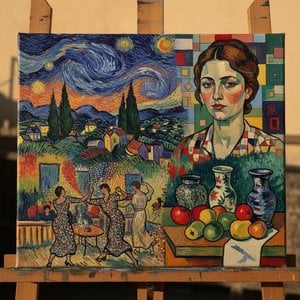
Unveil the profound revolution of Post-Impressionism. Explore how masters like Van Gogh and Cézanne utilized bold colors and emotional depth to transcend mere representation, laying the foundation for modern art. A sophisticated journey through history's most emotive brushstrokes.


最新の美術ニュース、限定オファー、そしてインテリアのアイデアをいち早くお届けします。
お客様のプロジェクトについてお聞かせください。当社の美術専門家が、お客様に合わせた3つのパーソナライズされた芸術提案をご提供いたします。
あなたにぴったりの3作品を無料で厳選いたします


 プレビュー
プレビュー
 プリントを購入
 シェアする
シェアする シェアする
シェアする
 詳細を見る
詳細を見る

 ダウンロード
 似ている作品
 X線調査
X線調査 スライドショー
 詳細を見る
詳細を見る









 ガラスオプションは、110cm未満のサイズでのみご利用いただけます。


