The Mythic Embrace of Benvenuto Cellini's Satyr
Benvenuto Cellini’s “Satyr” stands as a captivating testament to the dynamism and sensual allure that defined the Mannerist period in Italian art. Completed around 1545, this bronze sculpture transcends mere representation; it embodies the very spirit of Dionysian revelry and the untamed beauty of the natural world. More than just a depiction of a mythological creature, Cellini’s satyr is an embodiment of potent emotion – a moment frozen in time, brimming with both mischievous energy and a profound, almost melancholic contemplation.
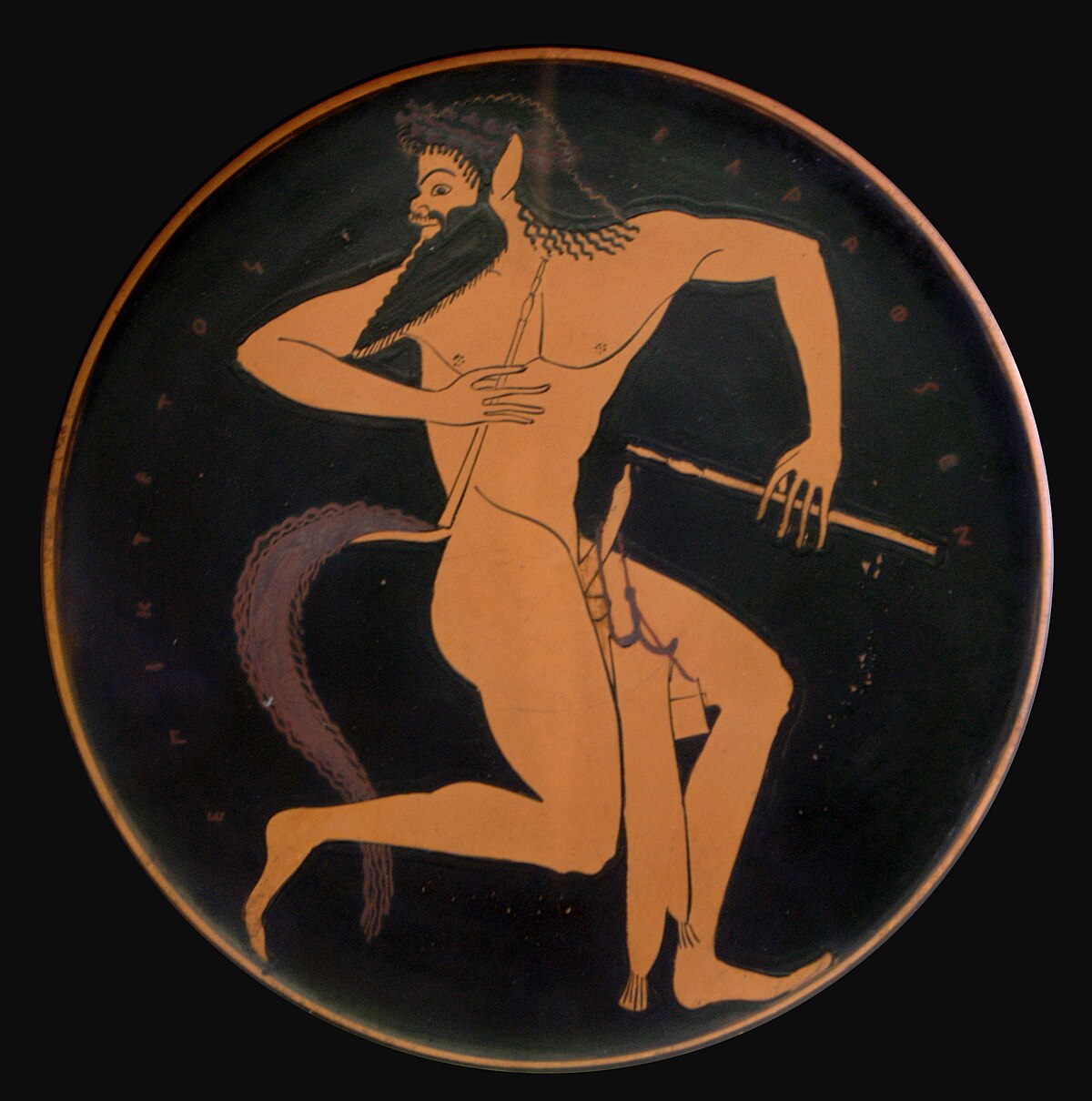
The sculpture itself is a marvel of technical skill and expressive form. Standing nearly four feet tall, the satyr is rendered in a remarkably realistic style, yet imbued with an unmistakable Mannerist flair. His muscular physique, accentuated by the strong lines of his arms and belly, speaks to a primal vitality – a celebration of the body’s inherent power. The details are exquisite: the unruly curls of his hair, the intense gaze of his eyes, the subtle suggestion of a mischievous grin. Notably, the bronze is treated with a rich, aged patina that adds depth and character, hinting at the passage of time and the sculpture's journey through history.
A Glimpse into Renaissance Mythology
Cellini’s satyr isn’t simply a charming figure from Greek mythology; it’s deeply rooted in the cultural context of the 16th century. Satyrs, companions to the god Dionysus, were traditionally associated with wildness, intoxication, music, and fertility – potent symbols of human desires and impulses. In Renaissance Florence, these themes resonated powerfully, particularly within the circles of artists and intellectuals who sought to reconcile classical ideals with contemporary sensibilities. Cellini’s work reflects this complex interplay, capturing both the exuberance and the underlying melancholy inherent in the satyr's existence.
The sculpture’s creation coincided with Cellini’s time at the court of Francis I of France, a period marked by lavish patronage and an embrace of Mannerist aesthetics. This royal commission further elevated the work, imbuing it with a sense of grandeur and sophistication. The choice of bronze as the medium itself is significant – a material prized for its durability, luster, and ability to capture intricate detail.
Symbolism and Artistic Technique
Beyond its mythological subject matter, “Satyr” is rich in symbolic meaning. The satyr’s gesture—raised hand, as if reaching out or beckoning—suggests an invitation into a world of pleasure and abandon. The sculpture's composition, with the satyr presented in profile, creates a sense of intimacy and immediacy, drawing the viewer into his gaze. Cellini masterfully employed techniques such as *repoussé* (hammering metal from the reverse side to create relief) and *chasing* (using tools to refine the surface of the metal), demonstrating his exceptional skill as a goldsmith and sculptor.
The sculpture’s hollow back, filled with fragments of burnt clay and wooden pegs, is particularly intriguing. This deliberate inclusion suggests a layering of meaning—a reference to the satyr's connection to the earth and the cyclical nature of life and death. It also hints at Cellini’s own fascination with materials and his desire to create works that were both beautiful and intellectually stimulating.
A Timeless Masterpiece
Benvenuto Cellini’s “Satyr” remains a powerful and evocative work of art, captivating viewers with its blend of mythological narrative, technical brilliance, and emotional depth. It is a window into the Renaissance world—a celebration of human creativity, sensual desire, and the enduring power of myth. Reproductions by WahooArt offer an exceptional opportunity to bring this iconic masterpiece into your home or office, allowing you to appreciate its beauty and complexity for years to come.



 プレビュー
プレビュー
 手描きの絵画を購入
 シェアする
シェアする シェアする
シェアする
 詳細を見る
詳細を見る

 ダウンロード
 似ている作品
 X線調査
X線調査 スライドショー

 詳細を見る
詳細を見る






































 ガラスオプションは、110cm未満のサイズでのみご利用いただけます。








