
オンラインプレビューをはるかに凌ぐ、高解像度で鮮明なデジタル画像をご購入いただけます。
各ファイルは、社内の専門家が高度なツールと熟練した手作業によるレタッチを用いて、細心の注意を払って準備されています。すべての画像において、卓越した鮮明度、正確な色彩再現性、そして繊細なディテールを保証いたします。
最終ファイルは、プロフェッショナルな編集・印刷環境ですぐにご利用いただけるよう最適化された状態で、72時間以内にメールにてお届けいたします。これは、一流のデザインスタジオ、出版社、ギャラリーから信頼されているものと同等の品質です。
個人での鑑賞、印刷、クリエイティブなプロジェクト用に、高解像度ファイルをダウンロードできます。 ( プリント版に切り替え 手描きの絵画を購入)
WahooArt.com を選ぶことは、単に画像を手に入れることではありません。それは、プロの手によって精密に仕上げられ、満足保証が付いた高品質なデジタルアートワークを受け取ることを意味します。ご注文いただいた際に自動的に付随する内容は、以下の通りです:

ご注文から72時間以内に、高解像度のデジタル画像ファイルがメールでお手元に届きます。すぐにそのままご利用いただけます。

お客様の作品は、高度なAIツールと専門家による手作業の編集を組み合わせてプロフェッショナルに最適化されており、細部のディテール、鮮明さ、そして正確な色再現性を最大限に引き出しています。

ファイルを誤って削除したり、紛失してしまったりしましたか?ご安心ください。いつでも無料で再送いたします。

関税や手数料、配送料を気にすることなく、お気に入りのアートワークをすぐにお楽しみいただけます。デジタルダウンロードは常に免税です。

プロ仕様のツールとカラーマネジメント技術を用いることで、デジタル画像が元の色を最大限に忠実に再現することを保証いたします。

ご購入いただいたデジタル画像にご満足いただけない場合は、100日以内であれば、理由を問わず修正または100%の返金対応をさせていただきます。

ご満足いただけない場合は、デジタルファイルを受け取ってから100日以内であれば、理由を問わず全額返金いたします。

3枚購入で10%OFF - 5枚購入で15%OFF - 10枚以上購入で20%OFF。クリエイティブなプロジェクト、ギャラリー、エージェンシーに最適です。
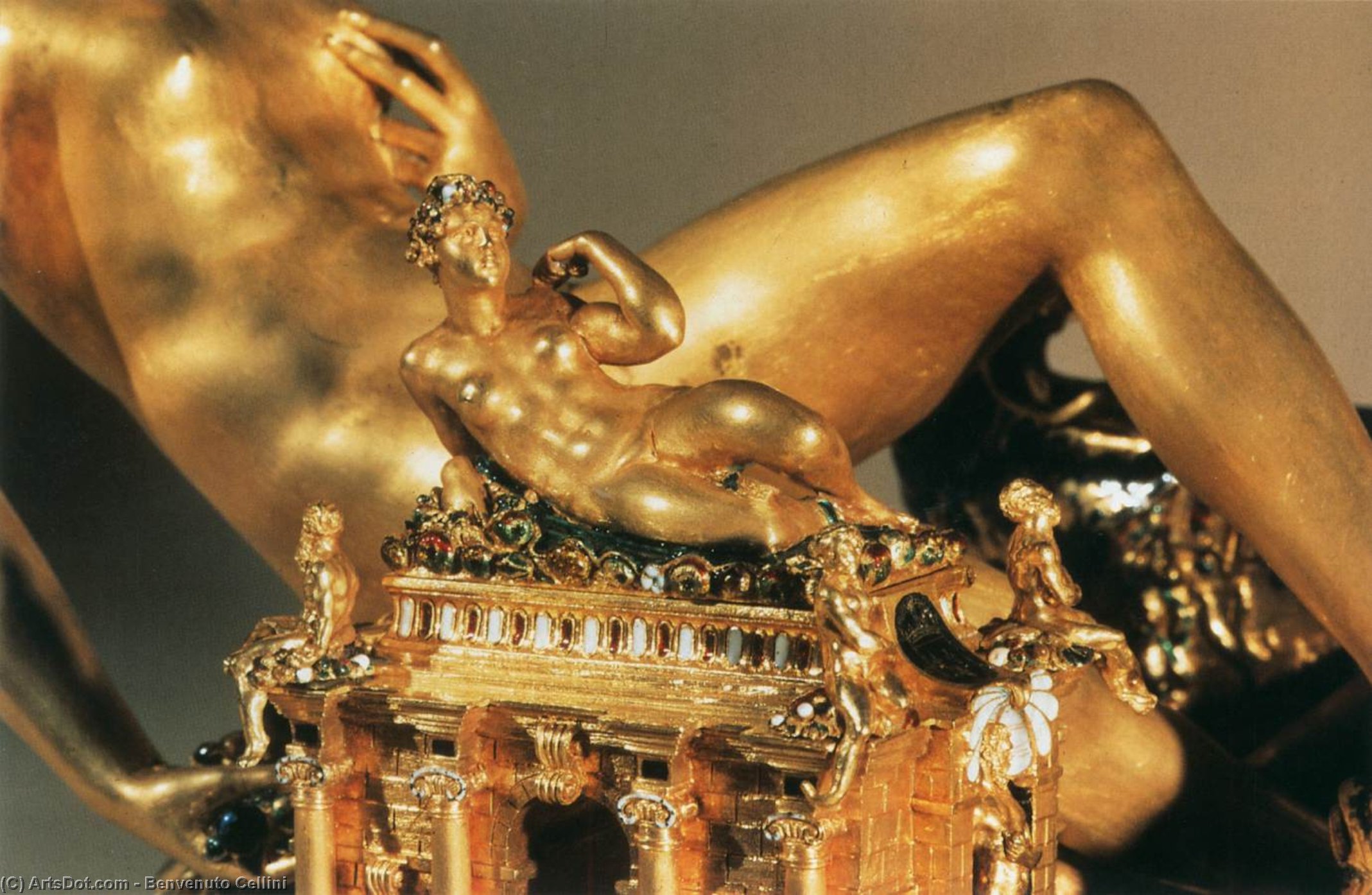
Within the hallowed halls of the Kunsthistorisches Museum in Vienna resides a treasure that transcends its humble function as a salt cellar – Benvenuto Cellini’s 1543 masterpiece, “Salt Cellar (detail).” More than just a container for preserving culinary delights, this exquisite object is a profound meditation on beauty, power, and the very essence of Renaissance artistry. Crafted from shimmering gold and meticulously enamelled, it stands as a testament to Cellini's unparalleled skill as a goldsmith and sculptor, a figure who embodied the flamboyant spirit of his era.
Cellini’s work is firmly rooted in the Mannerist style, a movement that flourished following the High Renaissance. Unlike the idealized forms of earlier periods, Mannerism embraced dramatic contrasts, exaggerated proportions, and an intense focus on detail. The Salt Cellar exemplifies this perfectly – its figures are not rendered with serene grace but rather imbued with a palpable energy, a sense of dynamic interaction. The piece’s creation was commissioned for Francis I of France, a discerning patron known for his appreciation of lavish displays of wealth and artistic innovation. This commission speaks volumes about the status of the object and the importance placed on its aesthetic qualities.
The Salt Cellar’s narrative is rich with symbolic meaning, drawing upon classical mythology and Renaissance ideals. At the heart of the piece are two prominent figures: Ceres, the Roman goddess of agriculture and harvest, and Neptune, god of the sea. Their placement within the celler suggests a harmonious balance between earthly abundance and oceanic power – a potent metaphor for the prosperity and stability sought by the French monarchy under Francis I. The cherubic figure seated on a miniature throne, often interpreted as representing innocence or joy, adds another layer to this complex symbolism. The inclusion of these figures elevates the object beyond mere functionality, transforming it into a visual allegory.
Cellini’s masterful technique is immediately apparent upon close inspection. He employed a combination of lost-wax casting and enamelling – a painstaking process involving creating a wax model, investing it in gold, melting down the wax to create a hollow shell, and then applying layers of enamel to achieve the vibrant colors and intricate details that define the work. The use of *champlevé* technique, where recesses are cut into the metal surface and filled with enamel paste, further enhances the depth and luminosity of the piece. The sheer density of detail—the delicate folds of drapery, the subtle expressions on the figures’ faces—is a testament to Cellini's meticulous approach and his mastery of materials.
Benvenuto Cellini’s autobiography, “Autobiography,” provides invaluable insight into the artist’s creative process and worldview. It reveals a man of immense ego and ambition, yet also one deeply passionate about his craft. The Salt Cellar reflects this duality – it is both a product of Cellini's exceptional skill and a reflection of his flamboyant personality. His work profoundly influenced subsequent generations of goldsmiths and sculptors, establishing new standards for technical excellence and artistic expression.
The Salt Cellar’s enduring appeal lies not only in its exquisite beauty but also in its ability to transport us back to the vibrant world of the Italian Renaissance. It is a tangible link to a period of extraordinary creativity and innovation, a reminder of the power of art to inspire, challenge, and captivate. Today, reproductions of this iconic piece continue to grace collections and interiors worldwide, offering a glimpse into the timeless allure of Cellini’s genius.

16世紀イタリア・フィレンツェに生まれたベンヴェヌート・チェリーニは、単なる芸術家という枠を超え、金細工師、彫刻家、画家、軍人、そして作家として輝かしい足跡を残した稀有な人物です。彼の波乱万丈な生涯と、その才能が凝縮された作品群は、ルネサンス文化の華やかさと同時に、人間の情熱と葛藤を鮮やかに物語っています。チェリーニ自身が綴った自伝は、芸術史における貴重な一次資料であるだけでなく、一人の人間としての生き様を描いた文学作品としても高く評価されています。
チェリーニの生家は音楽一家であり、父は楽器職人でした。幼い頃から音楽的な素質を見せましたが、15歳の時、金細工師としての道を志し、アントニオ・ディ・サンドロ(マルコーネ)に弟子入りします。しかし、その若き日のチェリーニは決して平穏な日々を送っていたわけではありません。同年代の仲間との乱闘事件を起こし、フィレンツェから追放されるという苦い経験も経ています。その後、シエナで金細工師フラカストロのもとで修行を重ね、技術を磨き上げていきます。
チェリーニの作品は、その技巧の高さはもちろんのこと、ダイナミックな構図と写実的な表現が特徴です。特にフランソワ1世のために制作された銀製の塩壺は、彼の代表作として知られています。精緻を極めた装飾と躍動感あふれる人物像は、見る者を圧倒します。また、「ペルセウスとメデューサ」のブロンズ彫刻も、チェリーニの卓越した才能を示す傑作です。古典古代美術やミケランジェロの影響を受けながらも、彼独自の様式を確立し、マニエリスムという時代精神を体現しています。「レーダと白鳥」の金製メダルは、神話の世界を繊細な技術で表現した美しい作品です。
チェリーニの活動は芸術だけに留まりません。彼は軍人として要塞防衛戦に参加し、ローマを守るために活躍しました。また、宮廷ではコルネットやフルートを演奏するなど、音楽家としての顔も持ち合わせていました。しかし、彼が後世に名を残すことになったのは、やはり自伝の存在です。
自伝は単なる事実の羅列ではなく、チェリーニ自身が自身の才能を誇示し、行動を正当化するために書き上げられた自己像です。その信憑性には疑問も残りますが、ルネサンス期の生活を知る上で欠かせない一次資料として、現在でも多くの研究者に読まれています。
1571年にフィレンツェで亡くなったベンヴェヌート・チェリーニは、マニエリスムを代表する芸術家の一人として、その名を歴史に刻みました。彼の技術的な卓越性、芸術的な革新性、そして魅力あふれる自伝は、後世の芸術家たちに多大な影響を与え続けています。彼は、多様な分野で才能を発揮し、野心に燃えて個性を追求したルネサンス人の理想を体現しています。彼の作品は、その美しさ、技巧、そしてドラマティックな表現力によって、西洋美術史における重要な位置を占めています。

1500 - 1571 , イタリア

 プレビュー
プレビュー
 シェアする
シェアする シェアする
シェアする
 詳細を見る
詳細を見る ガイド
ガイド

 ダウンロード
 似ている作品
 X線調査
X線調査 スライドショー
 統計情報
統計情報


 詳細を見る
詳細を見る


