

スピーディーな制作と多彩な仕上げオプションが魅力の、ミュージアムクオリティなジークレー・キャンバスプリント。 ( 手描きの複製画を注文する デジタル画像販売へ切り替え)





























作品のオリジナル比率に合わせた、当店の規定サイズからお選びください。

額縁や壁のスペースに合わせて、ご希望の幅と高さを入力してください。プリントはカットすることは可能ですが、元の画像より大きくすることはできないため、異なる比率のサイズを選択された場合は、画像の一部が欠けることになります。印刷を開始する前に、内容を確認していただくためのデジタルモックアップをお送りいたします。このページに表示されている画像は、実際のカット後の状態を示すものではありません。実際の仕上がりはモックアップにてご確認ください。
The Three Sisters
複製画サイズ一覧
Benjamin West's "The Three Sisters," painted in 1783, is more than just a charming depiction of three women enjoying a pastoral afternoon; it’s a carefully constructed tableau brimming with classical allusion, subtle symbolism, and the burgeoning spirit of American artistic identity. This drawing, remarkably preserved despite its relatively informal nature for West's oeuvre, offers a fascinating glimpse into the artist’s evolving style and his engagement with both European traditions and nascent notions of national art.
The scene unfolds within a lush, verdant garden – a deliberate choice that immediately evokes the idealized landscapes favored by artists of the Neoclassical period. The women themselves are rendered with an exquisite sense of elegance and composure. Their postures suggest relaxed conversation, yet there’s a palpable grace in their movements, mirroring the mythological Three Graces—symbols of beauty, charm, and joy. West masterfully captures this ethereal quality through loose, flowing lines and a delicate handling of charcoal, creating a sense of movement and vitality that belies the drawing's static composition. The arrangement of the figures – one seated on a bench, another gathering flowers, and the third reaching for a basket – establishes a harmonious balance, reflecting West’s deep understanding of classical principles of proportion and perspective.
Close examination reveals intriguing connections to earlier artistic traditions. The figure on the right, holding a sweet expression, bears a striking resemblance to a portrait attributed to Leonardo da Vinci—a detail that speaks volumes about West’s admiration for the Renaissance master. This deliberate homage underscores West's commitment to studying and mastering the techniques of his predecessors, while simultaneously asserting his own artistic voice. The drawing’s overall composition also echoes classical Roman frescoes, particularly those depicting scenes from mythology or pastoral life. West was deeply influenced by the study of ancient ruins during his travels in Italy, and this influence is evident in the careful attention to detail, the balanced arrangement of elements, and the idealized portrayal of the figures.
Furthermore, the inclusion of a woven basket filled with flowers hints at themes of fertility and abundance—a common motif in classical art. The women’s attire, though simple, suggests a connection to nature and a celebration of rural life. West's choice of subject matter reflects the prevailing artistic trends of the late 18th century, which favored scenes of idyllic beauty and moral virtue. However, unlike many of his contemporaries, West infused this genre with a distinctly American sensibility—a quiet dignity and an understated elegance that set him apart from the more overtly theatrical works produced in Europe.
Interestingly, the drawing's creation presents a slight anomaly within West’s established practice. Typically, artists of his generation meticulously prepared detailed sketches to serve as blueprints for larger paintings. The fact that this drawing lacks such preparatory studies is somewhat perplexing—suggesting perhaps an experiment in capturing a fleeting moment or a spontaneous impression. This informality contrasts sharply with the more rigorously planned and executed works that characterized much of West’s career, adding another layer of intrigue to its interpretation.
The loose manner in which he handled his pen here contrasts sharply with the more highly finished quality of his paintings. The drawing's lack of a direct connection to any known work by the artist is also noteworthy—a detail that has fueled speculation about its origins and purpose. Despite these uncertainties, “The Three Sisters” remains a testament to West’s artistic versatility and his enduring legacy as one of America’s first major painters.
“The Three Sisters” possesses an undeniable appeal that transcends its historical context. Its serene beauty, graceful figures, and subtle symbolism continue to resonate with viewers today. The drawing's delicate charcoal lines evoke a sense of intimacy and warmth, while the lush garden setting creates a feeling of tranquility and escape. Its composition—a harmonious blend of classical ideals and American sensibility—makes it an ideal subject for reproduction in interior design settings, bringing a touch of timeless elegance to any space. Collectors appreciate its historical significance and artistic merit, recognizing it as a pivotal work in the development of American art.
「The Three Sisters」は、1783年にベンジャミン・ウェストによって制作されました。
Living Roomには、ベンジャミン・ウェスト作「The Three Sisters」の推奨プリントサイズはMediumです。
ベンジャミン・ウェスト作「The Three Sisters」のプリントをご希望の方は、こちらのファインアートプリントページよりご注文いただけます:コットンキャンバスまたはアーカイブ品質のキャンバスペーパーに施されたファインアートプリント。


1738 - 1820 , アメリカ合衆国

Explore the refined world of Neoclassical portraiture. Discover the mastery of line, light, and order through an expert exploration of academic art history, from Jacques-Louis David to Jean-Antoine Houdon. Immerse yourself in the timeless elegance of classical realism.

Explore the profound elegance of Neoclassical art. Discover the principles of order, symmetry, and virtue through the works of masters like David and Mengs. Immerse yourself in a journey of classical grace and timeless aesthetic perfection.
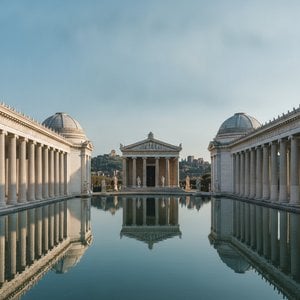
Discover the profound elegance of Neoclassicism. Explore how the pursuit of order, symmetry, and Greco-Roman ideals created a timeless aesthetic for collectors seeking grandeur and intellectual depth in fine art and architecture.

Master the nuances of three-dimensional art with our expert guide. Explore sculptural history, from Phidias to Neoclassicism, and learn to evaluate materiality, form, and technique like a true connoisseur. Elevate your collection with profound insights into the world of sculpture.

 設置イメージを確認
 送る
送る シェア
シェア
 詳細情報
詳細情報 ガイドを表示

 画像をダウンロード
 似ている作品
 X線調査
X線調査 スライドショー
 統計情報
統計情報


 続きを読む
続きを読む









 ガラスオプションは、110cm未満のサイズでのみご利用いただけます。


