

スピーディーな制作と多彩な仕上げオプションが魅力の、ミュージアムクオリティなジークレー・キャンバスプリント。 ( 手描きの複製画を注文する デジタル画像販売へ切り替え)





























作品のオリジナル比率に合わせた、当店の規定サイズからお選びください。

額縁や壁のスペースに合わせて、ご希望の幅と高さを入力してください。プリントはカットすることは可能ですが、元の画像より大きくすることはできないため、異なる比率のサイズを選択された場合は、画像の一部が欠けることになります。印刷を開始する前に、内容を確認していただくためのデジタルモックアップをお送りいたします。このページに表示されている画像は、実際のカット後の状態を示すものではありません。実際の仕上がりはモックアップにてご確認ください。
The Last Supper
複製画サイズ一覧
Benjamin West's "The Last Supper," painted in 1786, isn’t merely a depiction of a biblical event; it’s a profound exploration of human emotion and the genesis of faith. This monumental oil on canvas, currently residing at the Detroit Institute of Arts, transcends its historical subject matter to become a timeless meditation on betrayal, disbelief, and the quiet dignity of sacrifice. West, a pivotal figure bridging the worlds of Neoclassicism and burgeoning American artistic identity, masterfully captures the palpable tension within the room as Jesus reveals his impending doom to his disciples. The painting’s power lies not just in its subject matter but in the artist's ability to translate complex theological concepts into a visually arresting and emotionally resonant experience.

West’s compositional choices are immediately striking, firmly rooted in the principles of Neoclassicism. He eschews the swirling dynamism of Romanticism for a carefully structured scene reminiscent of classical Roman frescoes. The figures – Jesus at the head of the table, surrounded by his twelve disciples – are rendered with an almost sculptural quality, their bodies and drapery meticulously observed and flawlessly executed. The setting itself is deliberately austere, evoking the formality and gravity associated with religious gatherings in the era. However, it’s West's masterful use of light and shadow—chiaroscuro—that truly elevates the painting to a higher plane. A single, dramatic light source illuminates the faces of the disciples, highlighting their shock, confusion, and despair. This strategic lighting not only draws the viewer’s eye but also intensifies the emotional impact of the scene, creating a sense of foreboding and impending tragedy.
Beyond its formal elements, “The Last Supper” is rich in symbolic meaning. Judas Iscariot, positioned prominently in the foreground—a sickly green shadow enveloping his figure—is not simply a villain but a symbol of corruption and betrayal. West deliberately casts him as oversized, emphasizing his transgression against the group. The disciples’ reactions are equally significant; their gestures, expressions, and body language reveal a spectrum of emotions – disbelief, sorrow, anger, and fear. West doesn't offer easy answers or simplistic portrayals; instead, he presents a complex psychological drama, inviting viewers to contemplate the human condition and the consequences of betrayal.
“The Last Supper” stands as a pivotal work in art history, profoundly influencing subsequent generations of artists. West’s dramatic composition and masterful use of light and shadow were adopted by painters like Tintoretto and Poussin, demonstrating the painting's enduring impact. Furthermore, it reflects the artistic currents of its time – the rise of Neoclassicism, the growing interest in historical subjects, and the exploration of human emotion within a religious context. Reproductions offered by WahooArt.com allow you to experience this masterpiece firsthand, bringing West’s profound vision into your home or studio. For those seeking further insight, we encourage you to explore the Detroit Institute of Arts website and the extensive resources available on WahooArt.com.
ベンジャミン・ウェストは、ベンジャミン・ウェスト・クライネディンスト, Benjamin West Clinedinst, フルネーム:ベンジャミン・ウェストという名でも知られています。
Dramaticな雰囲気を持つ「The Last Supper」は、Living Roomに飾るのがおすすめです。
全体として、「The Last Supper」の明るさはdeep_shadowと記録されています。知覚的な明るさとは、作品がどの程度明るく、あるいは暗く感じられるかを表すものです。


1738 - 1820 , アメリカ合衆国

Explore the profound tension between Neoclassicism's rational order and Romanticism's emotional depth. An expert journey through the masters of art history, from David to Delacroix, perfect for collectors and enthusiasts seeking a deeper understanding of artistic evolution.

Explore the grandeur of Neoclassicism. Discover how the principles of symmetry, order, and classical antiquity continue to inspire timeless elegance in art history and sophisticated modern interiors through expert analysis and museum-quality mastery.

Transform last-minute gift panic into a moment of pure luxury. WahooArt Express delivers premium, hand-painted custom oil masterpieces in under 3 weeks. Perfect for wedding planners seeking timeless, bespoke legacies for their clients. Trust our museum-quality artistry and global delivery.
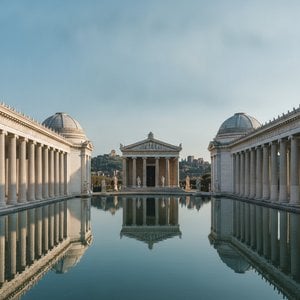
Discover the profound elegance of Neoclassicism. Explore how the pursuit of order, symmetry, and Greco-Roman ideals created a timeless aesthetic for collectors seeking grandeur and intellectual depth in fine art and architecture.

Explore the profound artistry of The Last Supper through an art historian's lens. From Leonardo da Vinci’s genius to diverse Renaissance interpretations, discover the symbolism and technique behind history's most iconic sacred depictions.

 設置イメージを確認
 送る
送る シェア
シェア
 詳細情報
詳細情報 ガイドを表示

 画像をダウンロード
 似ている作品
 X線調査
X線調査 スライドショー
 統計情報
統計情報


 続きを読む
続きを読む









 ガラスオプションは、110cm未満のサイズでのみご利用いただけます。


