x


迅速な制作と多彩な仕上げオプションを備えた、ミュージアムクオリティのジークレーまたはキャンバスプリント。 ( 手描きの絵画を購入 画像を購入)





























作品のオリジナル比率に合わせた、当店の規定サイズからお選びください。

特定のフレームやスペースに合わせて、ご自身でサイズを指定することも可能です。選択されたサイズが元の画像の比率と一致しない場合、作品をトリミングするか、鏡面反射または単色での塗りつぶしによって画像を拡張いたします。制作を開始する前に、ご確認用のデジタルモックアップをお送りいたします。
画面上のプレビューには、実際のトリミングや拡張は反映されませんのでご注意ください。最終的な構図を正確に確認できるのは、モックアップのみとなります。
カスタムサイズも承っておりますが、元の比率を維持するためには、あらかじめ用意されたリストからサイズを選択することをお勧めいたします。

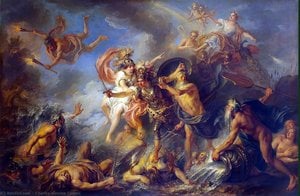
Death on a Pale Horse
複製画のサイズ
Benjamin West's "Death on a Pale Horse," painted in 1796, isn't merely a depiction of a biblical scene; it’s an immersive plunge into the heart of human anxiety and the sublime terror of impending doom. Born amidst the burgeoning intellectual currents of colonial America, West was a painter who defied easy categorization, seamlessly blending Neoclassical restraint with Romantic fervor. This particular work, one of three versions created around the same time, stands as a testament to his ability to capture not just outward appearances but also the profound emotional weight of historical and religious narratives. The painting’s genesis lies in the chilling verses of Revelation 6:7-8 – “And when he opened the fourth seal, I heard the voice of the fourth beast say, Come and see. And I looked, and behold a pale horse; and his name that sat on him was Death, and Hell followed with him.” West wasn’t simply illustrating scripture; he was grappling with the anxieties of his era – the turbulent political landscape of Europe, marked by revolution and war, and a growing sense of uncertainty about the future. The composition itself is deliberately chaotic, reflecting the apocalyptic imagery it portrays, yet grounded in a carefully constructed arrangement that draws the viewer into the maelstrom.
West’s masterful technique elevates “Death on a Pale Horse” beyond a simple illustration. He employs a dramatic chiaroscuro—a stark contrast between light and shadow—to create an atmosphere thick with foreboding. The palette is dominated by deep, bruised purples, somber browns, and the sickly yellow of the pale horse itself, evoking a sense of decay and impending mortality. The figures are rendered with meticulous detail, their faces contorted in expressions of agony and despair, yet imbued with a haunting beauty. Notice particularly the angel on the left, his face etched with sorrow as he witnesses the carnage; his posture conveys both helplessness and profound grief. The use of loose brushstrokes in the background adds to the sense of movement and chaos, while more controlled strokes define the central figures, anchoring the scene within a framework of dramatic intensity. The painting’s scale—a monumental 447 cm x 764.5 cm—further amplifies its impact, enveloping the viewer in the horrifying spectacle.
Beyond the immediate depiction of a battle between good and evil, “Death on a Pale Horse” is rich with symbolic meaning. The pale horse itself, ridden by Death, is the most potent symbol—a harbinger of destruction and decay. The accompanying figure of Hell, often depicted as a winged demon, reinforces this theme of ultimate annihilation. However, West doesn’t simply portray a passive victimhood; the painting also features angels engaged in fierce combat, representing the struggle between divine forces. The human figures scattered across the battlefield—some falling, some fleeing—represent humanity caught in the crossfire of cosmic conflict. The inclusion of various animals – horses, birds, and even a lion – adds layers of complexity to the symbolism, suggesting the indiscriminate nature of death and destruction. The overall effect is not merely a depiction of a single event but an exploration of universal themes of mortality, suffering, and the fragility of human existence.
“Death on the Pale Horse” emerged during a period of profound social and political upheaval in Europe. The French Revolution was raging, Napoleon’s armies were conquering vast territories, and anxieties about the future were widespread. West's painting reflects this atmosphere of uncertainty and fear, capturing the sense that order was collapsing and chaos reigned supreme. Furthermore, the work aligns with the broader artistic trends of the late 18th century, particularly the rise of the “Sublime”—a concept emphasizing awe-inspiring beauty combined with a sense of terror or dread. West’s painting exemplifies this aesthetic, evoking feelings of both fascination and horror in the viewer. It's considered one of his most significant works, alongside "The Death of General Wolfe" and "Benjamin Franklin Drawing Electricity from the Sky," solidifying his position as a pivotal figure in American art history. Reproductions of this powerful image continue to resonate with audiences today, reminding us of our shared vulnerability in the face of mortality.


1738 - 1820 , アメリカ合衆国
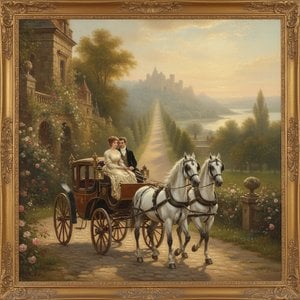
Embark on a visual journey through the romantic world of horse carriage art. Discover the mastery of equestrian oil paintings, from Impressionist textures to classical realism, and learn how to bring timeless elegance into your home with museum-quality reproductions.

Explore the profound beauty of equestrian art. From the realism of Meissonier to impressionistic studies, discover how master techniques capture the noble spirit of the horse in fine oil reproductions and custom commissions.


最新の美術ニュース、限定オファー、そしてインテリアのアイデアをいち早くお届けします。
お客様のプロジェクトについてお聞かせください。当社の美術専門家が、お客様に合わせた3つのパーソナライズされた芸術提案をご提供いたします。
あなたにぴったりの3作品を無料で厳選いたします


 プレビュー
プレビュー
 シェアする
シェアする シェアする
シェアする
 詳細を見る
詳細を見る

 ダウンロード
 似ている作品
 X線調査
X線調査 スライドショー


 詳細を見る
詳細を見る









 ガラスオプションは、110cm未満のサイズでのみご利用いただけます。