
 Oil On CanvasWallArtBaroque
 1620Early Modern
 56.0 x 72.0 cm
 メトロポリタン美術館
迅速な制作と多彩な仕上げオプションを備えた、ミュージアムクオリティのジークレーまたはキャンバスプリント。 ( 手描きの絵画を購入 デジタル画像販売へ切り替え)





























作品のオリジナル比率に合わせた、当店の規定サイズからお選びください。

特定のフレームやスペースに合わせて、ご自身でサイズを指定することも可能です。選択されたサイズが元の画像の比率と一致しない場合、作品をトリミングするか、鏡面反射または単色での塗りつぶしによって画像を拡張いたします。制作を開始する前に、ご確認用のデジタルモックアップをお送りいたします。
画面上のプレビューには、実際のトリミングや拡張は反映されませんのでご注意ください。最終的な構図を正確に確認できるのは、モックアップのみとなります。
カスタムサイズも承っておりますが、元の比率を維持するためには、あらかじめ用意されたリストからサイズを選択することをお勧めいたします。

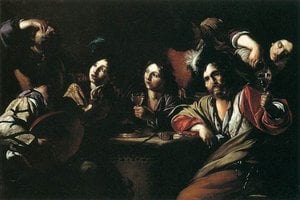
Saints Peter and Paul
複製画のサイズ
To stand before this depiction of Saints Peter and Paul is to step directly into the vibrant, dramatic heart of early 17th-century Rome. It is a painting that does not merely hang on a wall; it breathes with the palpable energy of its moment of creation. The composition immediately arrests the viewer with its masterful handling of light—a signature trait echoing the revolutionary genius of Caravaggio. Here, a strong, directional illumination streams in from the left, carving out the figures and lending every fold of drapery and every plane of skin an almost sculptural reality. This dramatic chiaroscuro is not just a technique; it is an emotional force, suggesting revelation or profound contemplation.
What makes this piece so captivating is its apparent dual authorship, lending it the air of a deeply personal commission. The scholarly analysis suggests that while Bartolomeo Manfredi may have rendered Saint Peter, his French acolyte and pupil, Nicolas Tournier, was responsible for Saint Paul. This division of labor transforms the work from a mere devotional piece into something far more intimate—perhaps a treasured token of friendship between artists, or a sophisticated nod to an astute collector who understood the burgeoning network of Caravaggio’s influence across Rome. The subjects are not idealized types; rather, they possess distinct, lived-in idiosyncrasies in their faces, lending them an immediate and startling sense of humanity.
The narrative is enriched by the objects held by these two saints. While both men share the venerable beard common to figures of deep piety, they are depicted here with musical instruments—one holding a violin, the other a lute. This unexpected inclusion suggests that their spiritual devotion was intertwined with earthly passions, perhaps suggesting that divine inspiration can manifest through art and music. The setting itself, an interior space hinted at by the nearby chair, feels like a momentary pause in a gathering of shared creativity. It invites us to imagine the resonance of unseen melodies filling the air around them.
For those who seek to infuse their own interiors with the drama and intellectual weight of the Baroque era, this reproduction offers an unparalleled opportunity. The rich tonality, the palpable texture captured in the paintwork, and the sheer narrative depth make it a centerpiece worthy of any distinguished salon or study. Owning this piece is not simply acquiring art; it is curating a moment—a dialogue between friendship, faith, and the enduring power of artistic genius that flourished in Rome during the early 1600s.

1582 - 1622 , イタリア

Embark on a sophisticated journey through art history with our exploration of Saint Peter's most powerful masterpieces. Discover the profound emotional depth and technical brilliance of Renaissance and Baroque icons, curated for the discerning classic art enthusiast.

Embark on a sophisticated journey through Italian Baroque art. Discover the dramatic interplay of light and emotion in Caravaggio’s masterpieces and explore how to bring this timeless grandeur into your collection with expert art insights.

Explore the dramatic brilliance of the Flemish Baroque movement. Discover how masters like Peter Paul Rubens utilized chiaroscuro and dynamic composition to redefine art history through light, shadow, and unparalleled emotion.


 プレビュー
プレビュー
 シェアする
シェアする シェアする
シェアする
 詳細を見る
詳細を見る ガイド
ガイド

 ダウンロード
 似ている作品
 X線調査
X線調査 スライドショー
 統計情報
統計情報 詳細を見る
詳細を見る









 ガラスオプションは、110cm未満のサイズでのみご利用いただけます。


