
x


 OilWallArtNorthern Mannerism
 1587Early Modern
 135.0 x 109.0 cm
 国立美術館 (Rijksmuseum)




























作品のオリジナル比率に合わせた、当店の規定サイズからお選びください。

特定のフレームやスペースに合わせて、ご希望のサイズをご入力いただけます。選択されたサイズが元の画像の比率と異なる場合、アートワークをトリミングするか、手描きで要素を追加して絵画を拡張いたします。デジタルモックアップ を制作し、制作開始前にご確認(承認)をいただきます。
画面上のプレビューは、実際のトリミングや拡張を正確に反映しているものではありません。最終的な構図は、モックアップによってのみ正確にご確認いただけます。
カスタムサイズもご利用いただけますが、元の比率を維持するためには、あらかじめ用意されたリストからサイズを選択することをお勧めいたします。

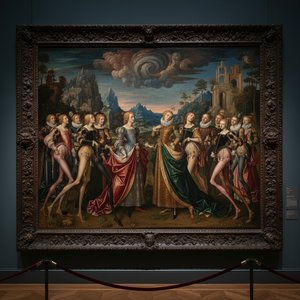
Venus and Adonis
複製画のサイズ
In the sweeping, elegant strokes of Bartholomeus Spranger’s Venus and Adonis, we are transported to a realm where the boundaries between the divine and the mortal dissolve into a tapestry of Northern Mannerist splendor. Created in 1587, this masterpiece captures a moment of profound tension and breathtaking beauty. At its heart, the composition centers on the intimate encounter between the goddess of love and her doomed lover. The figures are rendered with an exquisite, elongated grace that is characteristic of Spranger’s sophisticated style, pulling the viewer into a world where every curve of the flesh and every fold of drapery speaks to the heightened emotionality of the late Renaissance.
The scene is far more than a simple mythological tableau; it is a complex choreography of movement and emotion. As Venus reaches out, her form embodying a soft, luminous vulnerability, Adonis stands poised, perhaps caught between the pull of passion and the call of the hunt. Surrounding them, a celestial court of figures—some draped in classical finery, others lost in the natural state of nudity—creates a sense of a continuous, flowing narrative. This layering of bodies adds a rhythmic complexity to the canvas, inviting the eye to wander through a landscape of skin, silk, and shadow, much like a beautifully composed ballet frozen in time.
Spranger, often celebrated as the court painter of eroticism and majesty, utilizes a technique that emphasizes virtuosity and artifice. The painting is a triumph of color and light, where the pale, pearlescent tones of the protagonists' skin contrast sharply against the deeper, more saturated hues of the surrounding landscape and secondary figures. This use of chiaroscuro does not merely provide depth; it sculptates the anatomy, lending a tactile quality to the artwork that makes the figures feel almost present within the room. The presence of subtle details—the watchful eyes of dogs on the periphery and the delicate silhouette of a bird in the upper reaches of the composition—serves to ground this mythological drama in a lush, living ecosystem.
For the discerning collector or interior designer, Venus and Adonis offers an unparalleled opportunity to introduce a sense of historical grandeur and intellectual depth into a space. The painting’s ability to evoke both the tension of a tragic myth and the serene beauty of classical aesthetics makes it a versatile centerpiece. Whether placed in a formal gallery setting or used to anchor a contemporary living space, this reproduction brings with it the sophisticated legacy of the Prague court, offering a window into an era where art was the ultimate expression of human passion and divine order.


1546 - 1611
Explore the dramatic evolution of Northern Mannerism. Discover how masters like Bosch and Grünewald transitioned from Renaissance harmony to profound, elegant distortion through an expert analysis of symbolism, emotional intensity, and artistic innovation.

Embark on a sophisticated journey through the eternal allure of mythological art. Discover how master painters breathe life into ancient legends, from Greek deities to Baroque masterpieces, and learn to curate these timeless narratives within your own exquisite art collection.

Explore the profound beauty of mythological figures through the lens of art history. From Renaissance masterpieces to custom oil reproductions, discover how legendary tales of heroism and divinity are immortalized in fine art for discerning collectors.

Explore the intricate beauty of Northern Renaissance art. Discover the revolutionary oil techniques, profound symbolism, and microscopic realism of the Franco-Flemish masters in this expert guide for classical art enthusiasts.

Unveil the intricate mastery of Northern Renaissance Art. Explore the luminous oil techniques, hidden symbolism, and breathtaking realism of Flemish masters through an expert lens of art history and technical precision.


最新の美術ニュース、限定オファー、そしてインテリアのアイデアをいち早くお届けします。
お客様のプロジェクトについてお聞かせください。当社の美術専門家が、お客様に合わせた3つのパーソナライズされた芸術提案をご提供いたします。
あなたにぴったりの3作品を無料で厳選いたします


 プレビュー
プレビュー
 プリントを購入
 シェアする
シェアする シェアする
シェアする
 詳細を見る
詳細を見る

 ダウンロード
 似ている作品
 X線調査
X線調査 スライドショー
 詳細を見る
詳細を見る









 ガラスオプションは、110cm未満のサイズでのみご利用いただけます。


