

このページに掲載されている作品は著作権法によって保護されており、当社の許可なく同一の複製物を制作または販売することは法律で禁じられています。この保護は、以下のような国際条約に基づき執行されます。 ベルヌ条約 および、以下の条項に定められたものを含む各国の法律により、 米国著作権法 第17編。
この手法は、著作権で保護された作品の複製や複写を伴わないため、著作権法に完全に準拠しています。これは単なる模倣ではなく、創造的な再解釈です。元の作品からインスピレーションを受けつつも、それとは異なる、全く新しい絵画を生み出すものです。
スピーディーな制作と多彩な仕上げオプションが魅力の、ミュージアムクオリティなジークレー・キャンバスプリント。 ( 手描き複製画を注文する デジタル画像販売へ切り替え)
作品のオリジナル比率に合わせた、当店の規定サイズからお選びください。

額縁や壁のスペースに合わせて、ご希望の幅と高さを入力してください。プリントはカットすることは可能ですが、元の画像より大きくすることはできないため、異なる比率のサイズを選択された場合は、画像の一部が欠けることになります。印刷を開始する前に、内容を確認していただくためのデジタルモックアップをお送りいたします。このページに表示されている画像は、実際のカット後の状態を示すものではありません。実際の仕上がりはモックアップにてご確認ください。
Mask
複製画サイズ一覧
In the quietude of modern sculpture, few works command the room with as much understated power as Barbara Hepworth’s “Mask,” created in 1928. This piece is not merely an object to be viewed; it is an experience to be felt. At first glance, the viewer is met with a deceptively simple geometric shape—a soft, oval form that seems to float within its wooden frame. Yet, as one lingers, the sculpture reveals a profound depth, inviting a meditative dialogue between the observer and the stone. Hepworth, a titan of British Modernism, possessed an unparalleled ability to distill the complexities of human emotion into the purest essence of organic abstraction.
The sculpture’s physical presence is defined by its exquisite material choice: alabaster. This medium provides a milky, ethereal translucence that allows light to penetrate the very heart of the stone, creating an inner glow that breathes life into the inanimate. The surface is a masterclass in tactile precision, where meticulous polishing and grinding have achieved a smooth, luminous finish, yet subtle irregularities remain to remind us of the earth from which it was carved. This interplay of light and texture creates a sense of movement within a static form, making the piece feel as though it is caught in a moment of eternal transformation.
To understand “Mask,” one must look to the historical currents that shaped Hepworth’s vision. Emerging from the vibrant artistic landscape of the early 20th century, Hepworth was deeply influenced by Surrealist thought and the burgeoning movement toward abstraction. While her contemporaries often sought to break entirely from the past, Hepworth found inspiration in the ancient. The title itself evokes the primal significance of ceremonial masks—objects used throughout human history to facilitate ritual, disguise, and spiritual transition. By blending these ancestral echoes with a modern, geometric sensibility, she created a work that feels both timeless and avant-garde.
The sculpture serves as a bridge between the seen and the unseen. In its carved features, there is a haunting quality—a subtle tension between concealment and revelation. It asks the viewer to contemplate what lies beneath the surface of our own identities. For the collector or the interior designer, this piece offers more than mere decoration; it provides a focal point for intellectual curiosity and emotional reflection. Whether placed in a sunlit gallery or a sophisticated contemporary living space, “Mask” acts as an anchor of serenity, its silent strength capable of transforming the atmosphere of any environment.
For those seeking to curate a collection that celebrates the pinnacle of 20th-century sculpture, a high-quality reproduction of this masterpiece offers an unparalleled opportunity. The beauty of Hepworth’s work lies in its ability to harmonize with diverse interior aesthetics—from the minimalist rigor of modern architecture to the warm, organic textures of mid-century design. Owning a piece that captures the spirit of Unit One and the legacy of St Ives is an invitation to live alongside history.
A reproduction of “Mask” allows the subtle play of light and the profound stillness of Hepworth’s vision to inhabit your personal space. It is a tribute to the enduring power of form, a celebration of the artist's ability to find the infinite within the finite, and a timeless addition for anyone who finds beauty in the quiet, powerful language of abstraction.
「Mask」は、Modern Sculptureの作品です。この様式は、その作品が属する芸術的伝統を示しています。
バーバラ・ヘップワース作「Mask」に似た作品は、こちらの関連作品ページでご覧いただけます。
バーバラ・ヘップワース作「Mask」の主要な色調はAmber to Saffronです。この色調が、パレット全体の基調となるトーンを形作っています。


1903 - 1975 , イギリス

Discover the sublime beauty of marble art through an expert exploration of Renaissance and Neoclassical masterpieces. From the delicate textures of Carpeaux to the grandeur of Sansovino, immerse yourself in a guide to timeless elegance and sculptural perfection.
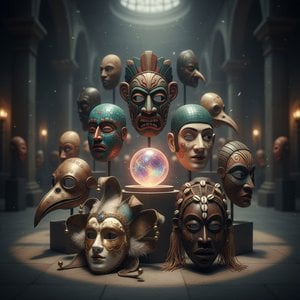
Embark on a profound journey through the world's most iconic mask artworks. Explore the spiritual depth, intricate craftsmanship, and rich cultural heritage of global traditions, from Chhau to Gomira, in this expert-led exploration of ancestral artistry and symbolic beauty.
 シェアする
シェアする シェアする
シェアする
 詳細を見る
詳細を見る ガイドを表示

 ダウンロード
 似ている作品
 スライドショーを表示
 Q&A
Q&A
 統計情報
統計情報


 詳細を表示
詳細を表示






































 ガラスオプションは、110cm未満のサイズでのみご利用いただけます。


