
 Oil On CanvasWallArtBaroque Still Life
 1629Renaissance
 55.0 x 89.0 cm
 Toledo Museum of Art
迅速な制作と多彩な仕上げオプションを備えた、ミュージアムクオリティのジークレーまたはキャンバスプリント。 ( 手描きの絵画を購入 デジタル画像販売へ切り替え)





























作品のオリジナル比率に合わせた、当店の規定サイズからお選びください。

特定のフレームやスペースに合わせて、ご自身でサイズを指定することも可能です。選択されたサイズが元の画像の比率と一致しない場合、作品をトリミングするか、鏡面反射または単色での塗りつぶしによって画像を拡張いたします。制作を開始する前に、ご確認用のデジタルモックアップをお送りいたします。
画面上のプレビューには、実際のトリミングや拡張は反映されませんのでご注意ください。最終的な構図を正確に確認できるのは、モックアップのみとなります。
カスタムサイズも承っておりますが、元の比率を維持するためには、あらかじめ用意されたリストからサイズを選択することをお勧めいたします。

Fruit, Flowers, and Shells
複製画のサイズ
Balthasar van der Ast's 1629 masterpiece, *Fruit, Flowers, and Shells*, is more than a still life; it’s a meticulously crafted window into the burgeoning world of Dutch Golden Age artistry and intellectual curiosity. This painting, measuring 55 x 89 cm, immediately captivates with its astonishing detail – a profusion of exquisitely rendered fruit, flowers, and shells that seem poised to leap from the canvas. Van der Ast’s skill isn't merely in depicting these objects; it lies in his ability to imbue them with a sense of scientific observation and humanist contemplation, reflecting the profound shifts occurring across Europe during the 16th and 17th centuries.
Van der Ast’s reputation rests largely on his pioneering work in shell painting, a technique demanding an almost obsessive attention to detail. He elevates the humble shell – sourced from exotic locales like the South Pacific and Indian Ocean – into objects of profound beauty and scientific interest. The inclusion of these shells, alongside rare tulips (introduced to Europe from Turkey around 1550), parrots, lizards, and crickets, speaks to the era’s fascination with natural history and the collecting of curiosities. This wasn't simply about aesthetic pleasure; it mirrored the burgeoning scientific revolution, where artists like Van der Ast were engaged in a rigorous study of form, texture, and color – mirroring the advancements being made in astronomy, physics, and medicine.
The painting’s composition is masterful. Each element—the apples, grapes, pears, plums, peaches, cherries, oranges, rose, and carnation – occupies a distinct space, inviting the viewer to examine each object with careful attention. The inclusion of the Chinese Wan-li porcelain vase, enhanced with a gilded base crafted by a European goldsmith, further underscores the cross-cultural influences shaping Dutch art at the time. Van der Ast’s use of light and shadow is particularly noteworthy, creating a sense of depth and volume that brings the still life to vibrant life. His meticulous layering of glazes – a hallmark of Flemish painting – ensures an incredible richness of color and texture, allowing for subtle variations in tone that contribute significantly to the work's realism.
*Fruit, Flowers, and Shells* transcends mere representation; it’s laden with symbolic meaning. The abundance of fruit represents fertility, prosperity, and the bounty of nature – themes frequently explored in Dutch art. The flowers, particularly the rose and carnation, carry their own traditional associations, adding layers of interpretation. Beyond this, the painting evokes a sense of quiet contemplation and appreciation for the beauty of the natural world. It’s a testament to Van der Ast's ability to capture not just what he saw, but also the emotions and ideas associated with his subject matter – a skill that continues to resonate with viewers today.

かつて前例のない繁栄と科学的好奇心に彩られた17世紀のオランダ、その黄金の光の中に、バルタザール・ファン・デル・アストは極小の傑作を創り出すヴィルトゥオーゾとして姿を現しました。1593年頃にミデルブルフで生まれたヴァン・デル・アストは、単に物体を描写しただけではありません。彼はキャンバスの上に、静かなるドラマを演出したのです。彼の人生は、ゼーラント州の隆盛する商人文化と深く結びついていました。裕福な羊毛商人であるハンス・ヴァン・デ・アストの息子として生まれた彼は、単なる社会的な安定だけでなく、後に彼の名高い静物画の主人公となるエキゾチックな品々や貴重な標本たちと、幼少期から親密に触れ合う機会を得たのです。
彼の芸術的魂の軌跡は、ボスハールト家との繋がりによって、取り返しのつかないほど決定づけられました。家族の絆を通じて、ヴァン・デル・アストは義父となる伝説的なアンブロシウス・ボスハールト(父)の門下生となりました。この師弟関係の下で、彼は顕微鏡レベルの観察力を要求される「花卉画」に不可欠な、緻密な精密さを習得しました。この卓越した系譜は、繊細な色調の階調と、自然界の物理的な質感に対する深い敬意を特徴とする技法を磨き上げる糧となりました。そして、彼はこの完璧さの追求において孤独ではありませんでした。義理の兄たちと共に、光と影の繊動な相互作用を重視する様式的な動きを育み、単なる植物学的な写生を、存在そのものへの深い瞑想へと昇華させたのです。
同時代の多くの画家たちが、ただ花の儚い美しさにのみ焦点を当てていた一方で、ヴァン・デル・アストは貝殻学への先駆的な探求を通じて、歴史にその名を刻みました。彼は貝殻画の開拓者となり、海生生物の石灰化した残骸を、まるで最も柔らかな花びらであるかのような畏敬の念をもって扱いました。「プラム、チェリー、そして貝殻のある静物画」といった作品を見れば、異なる質感が見事なまでに融合している様子に目を見張ることでしょう。果実のみずみずしく半透明な皮と、エキゾチックな貝殻の硬く真珠のような光沢が、鮮やかな対比を成しています。この情熱は単なる審美的なものではなく、博物学への科学的関心の高まりや、オランダの海上貿易が世界へと広がっていった時代の精神を反映していたのです。
彼の構図は、しばしば富の誇示や植物学的な正確さを超えた役割を果たしていました。ヴァン・デル・アストの絵画を凝視することは、ヒューマニズム哲学に根ざした複雑な象徴の網目と対話することに他なりません。その配置の中には、次のような意味が込められています。
バルタザール・ヴァン・デル・アストの影響は、ユトレヒトにある自身の工房を遥かに超えて広がっていました。ローランド・サヴェリのような画家を地元のギルドに迎え入れることで、彼は色彩のトーンとリアリズムが花開く環境を整える一翼を担いました。無機質な物体に生命感を吹き込む彼の能力――果実の間を這い回るトカゲや昆虫の描写に見られるその特質――は、オランダ黄金時代における新たな基準を打ち立てました。彼は静物画というジャンルを、単なる静止した配置から、よりダイナミックで呼吸するような現実へと進化させたのです。
今日、彼の作品は大英博物館からヨーロッパの主要な美術館に至るまで、世界中のコレクションの礎石として鎮座しています。葉に宿る露の一滴や、貝殻の虹色の輝きを捉えた一筆一筆の中に、彼の遺産は生き続けています。バルタザール・ヴァン・デル・アストは、スティルフェン(静物画)の巨匠であり続けました。極小のものの中に無限を見出すことを世界に教え、自然界の謙虚な物体を永遠の美の象徴へと変貌させた芸術家として。

1593 - 1657 , オランダ

レンブラントの傑作25選。光と影の魔術師が描いた魂を揺さぶる名画の世界へ。美術史に残る自画像、夜警、宗教画…WahooArtで高品質なアートプリントやインテリアアートをお楽しみください。コレクションはこちら→
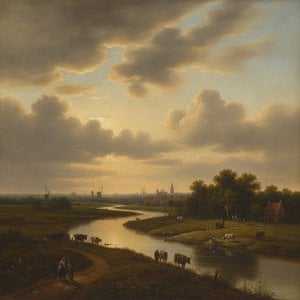
Discover the breathtaking beauty of Dutch Golden Age landscapes. Explore the mastery of light, chiaroscuro, and 17th-century realism through an expert art history lens, celebrating the enduring legacy of the Dutch Masters for discerning collectors and art lovers.

Explore the captivating world of Dutch Golden Age still life with Abraham van Beyeren. Discover his innovative techniques, symbolic banquet scenes & lasting influence on art history. Learn about collecting these masterpieces.

Explore the Dutch Golden Age of painting! Discover key artists like Vermeer & ter Borch, their innovative techniques, and the rich cultural context behind these Baroque masterpieces. Learn about collecting & appreciating this iconic art period.

オランダ黄金時代の10大傑作を紐解く!レンブラント、フェルメール…バロック絵画の魅力と時代背景を深く探求。WahooArtで、至高のアートコレクションと空間演出のヒントを見つけよう。高品質なアートプリントで、お部屋を華やかに。


 プレビュー
プレビュー
 シェアする
シェアする シェアする
シェアする
 詳細を見る
詳細を見る

 ダウンロード
 似ている作品
 X線調査
X線調査 スライドショー
 統計情報
統計情報 詳細を見る
詳細を見る









 ガラスオプションは、110cm未満のサイズでのみご利用いただけます。


