
当社のアーティストが、お客様のご希望のサイズと額縁に合わせて、キャンバスに手描きで制作する油彩画です。 ( プリント版に切り替え デジタル画像販売へ切り替え)
作品のオリジナル比率に合わせた、当店の規定サイズからお選びください。

特定のフレームやスペースに合わせて、ご希望のサイズをご入力いただけます。選択されたサイズが元の画像の比率と異なる場合、アートワークをトリミングするか、手描きで要素を追加して絵画を拡張いたします。デジタルモックアップ を制作し、制作開始前にご確認(承認)をいただきます。
画面上のプレビューは、実際のトリミングや拡張を正確に反映しているものではありません。最終的な構図は、モックアップによってのみ正確にご確認いただけます。
カスタムサイズもご利用いただけますが、元の比率を維持するためには、あらかじめ用意されたリストからサイズを選択することをお勧めいたします。

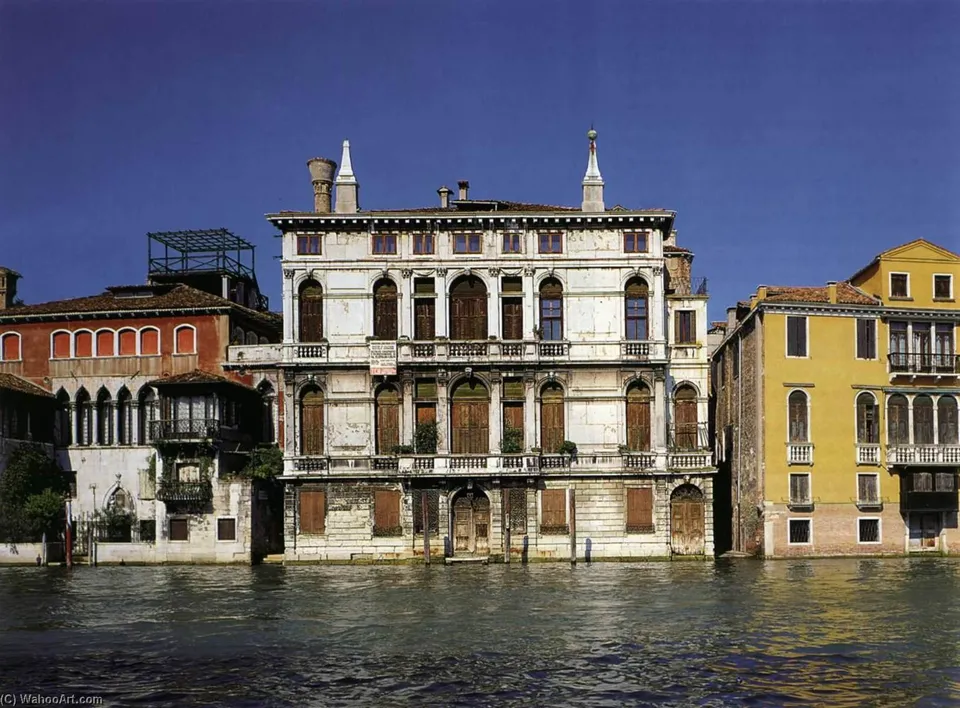
Palazzo Giustinian Lolin Façade
複製画のサイズ

Born in the heart of Venice in 1598, Baldassare Longhena’s life was inextricably linked to the city's artistic and architectural destiny. His father, a skilled stone carver, recognized his son’s innate talent early on, securing him an apprenticeship under the renowned architect Vincenzo Scamozzi – a pivotal connection that would shape Longhena’s entire career. This formative period instilled in him not only technical mastery but also a deep appreciation for classical principles and a burgeoning desire to transform Venice into a city of unparalleled beauty. Longhena's legacy isn't simply one of buildings; it’s the embodiment of Venetian spirit, reflecting its grandeur, resilience, and enduring connection to the sea.
Scamozzi’s workshop proved to be a crucible for Longhena’s artistic development. He immersed himself in the study of Roman architecture, meticulously analyzing the proportions and harmonies of ancient structures. Scamozzi's influence extended beyond mere technique; he instilled a profound understanding of spatial relationships and the importance of light and shadow – elements that would become hallmarks of Longhena’s distinctive style. Crucially, Scamozzi introduced him to the principles of Palladian architecture, a movement that profoundly impacted Venetian design during this period. This exposure to both Scamozzi's more restrained approach and Palladio’s classical elegance laid the foundation for Longhena’s own unique synthesis.
Following Scamozzi’s death in 1647, Longhena assumed responsibility for completing several significant projects, demonstrating his immediate capacity to lead. He masterfully executed Scamozzi's ambitious Procuratie Nuove in St. Mark’s Square – a complex of imposing residences and offices that dramatically reshaped the Piazza and established a new standard for Venetian civic architecture. This project showcased his ability to integrate classical elements with contemporary needs, creating a space both functional and aesthetically compelling. His subsequent designs included the Palazzo Belloni Battaglia and the Palazzo Giustiniani Lolin, further solidifying his reputation as a leading architect of Venice’s elite.
Longhena's most celebrated achievement is undoubtedly the Basilica di Santa Maria della Salute (1631/32–1687), a masterpiece that stands as a testament to his genius. Commissioned in thanksgiving for deliverance from the devastating plague of 1630, the basilica’s design was revolutionary for its time. Its imposing façade, modeled on Roman triumphal arches, dominates the Venetian skyline and serves as a powerful symbol of faith and resilience. The church's interior is equally impressive, featuring soaring domes, intricate frescoes, and a masterful use of light – all orchestrated to create an atmosphere of awe and reverence. Longhena’s innovative approach to structural engineering, particularly in the design of the dome and its supporting buttresses, was groundbreaking and set a new precedent for Venetian architecture.
Baldassare Longhena's influence extended far beyond his own lifetime. His designs served as models for subsequent architects, both in Venice and throughout Europe. The principles of spatial organization, light manipulation, and classical harmony that he championed continue to resonate in Venetian architecture today. His work exemplifies the culmination of centuries of artistic tradition, blending Roman grandeur with Venetian sensibility. Longhena’s legacy is not merely one of buildings; it's a reflection of Venice itself – a city of beauty, innovation, and enduring spirit. His contributions remain integral to understanding the evolution of Baroque architecture and the unique character of the Serenissima.

1598 - 1682

 プレビュー
プレビュー
 シェアする
シェアする シェアする
シェアする
 詳細を見る
詳細を見る

 ダウンロード
 似ている作品
 X線調査
X線調査 スライドショー
 統計情報
統計情報

 詳細を見る
詳細を見る






































 ガラスオプションは、110cm未満のサイズでのみご利用いただけます。


