

当社のアーティストが、お客様のご希望のサイズと額縁に合わせて、キャンバスに手描きで制作する油彩画です。 ( プリント版に切り替え デジタル画像販売へ切り替え)





























作品のオリジナル比率に合わせた、当店の規定サイズからお選びください。

フレームや壁のスペースに合わせて、ご希望の幅と高さを入力してください。本作品は手描きのため、異なる比率のサイズをご希望の場合、絵画の周囲を少し広げて描くか、あるいは端を少しカットして調整することが可能です。お客様のご要望に合わせます。制作を開始する前に、仕上がりを確認するためのデジタルモックアップをお送りいたします。このページに表示されている画像は完成品の実物ではなく、あくまでモックアップによるイメージです。
Eagle Head Ornament
複製画サイズ一覧
Before us lies a captivating artifact – an Aztec Eagle Head Ornament, a tangible link to one of Mesoamerica's most formidable empires. More than just a decorative object, this piece speaks volumes about the Aztecs’ complex worldview, their reverence for nature and the divine, and their mastery of intricate craftsmanship. The ornament itself is rendered in gold, likely cast or hammered with remarkable precision, suggesting a significant investment of time and skill by its creator. Its presence immediately commands attention, radiating an aura of authority and spiritual significance.

The eagle is a profoundly potent symbol within Aztec culture, inextricably linked to the sun god Huitzilopochtli – the deity who guided them to their legendary founding city of Tenochtitlan. Its presence on this ornament signifies not only divine favor but also military prowess and leadership. The sharp beak, powerful talons, and piercing gaze of the eagle are all carefully rendered, embodying strength and vigilance. Beyond the sun god, eagles were associated with courage, vision, and the ability to soar above earthly concerns – qualities highly valued by Aztec warriors. The ornamentation’s design clearly reflects this dual nature: a symbol of both spiritual power and martial dominance.
Further adding to its complexity is the suggestion of warrior imagery. The stylized features, particularly the prominent brow and intense stare, evoke the likeness of an Aztec warrior, reinforcing the ornament's connection to military prowess and ritual combat. The meticulous detail in recreating the eagle’s feathers speaks to a deep understanding of avian anatomy and a desire to capture its essence with breathtaking accuracy.
Examining the ornament closely reveals the extraordinary skill of Aztec artisans. The gold, likely alloyed with other metals for durability, has been shaped and polished to a luminous sheen. The intricate detailing – the feathers, the beak, the eyes – is achieved through a combination of casting techniques and meticulous hand-finishing. Notice how the artist has skillfully created a sense of depth and texture, mimicking the natural appearance of feathers and metal. The slight irregularities in the surface suggest that this was not mass-produced but rather crafted by an individual artisan with considerable experience.
The use of gold itself held immense significance within Aztec society. It was associated with the sun, divinity, and wealth – a material reserved for royalty, priests, and those who served the gods. The choice to employ gold in this ornament underscores its importance as a ceremonial object, likely used in religious rituals or displayed as a symbol of imperial power.
To fully appreciate the Eagle Head Ornament, it’s crucial to understand its place within the broader context of Aztec society. The Aztecs were a highly structured civilization with a complex social hierarchy and elaborate religious beliefs. Objects like this ornament served as potent symbols of authority, reinforcing the power of the ruling elite and legitimizing their rule. The fact that such an object was created during the height of the empire’s influence speaks to its enduring significance within Aztec culture.
Furthermore, the ornament's creation reflects a deep connection with the natural world – a reverence for animals, particularly the eagle, and a belief in the interconnectedness of all things. It is a testament to the Aztecs’ artistic genius and their ability to imbue inanimate objects with profound meaning and spiritual power. Today, reproductions like this offer a rare glimpse into a vanished civilization, allowing us to connect with the artistry and beliefs of one of history's most remarkable empires.
アステカ帝国作「Eagle Head Ornament」 におすすめの組み合わせ:Living Room に飾る Medium サイズのプリント。
アステカ帝国作「Eagle Head Ornament」の主要な色調はOchre to Sepiaです。この色調は、パレットの基調となるトーンを形作っています。
対応するデバイスの拡張現実(AR)機能を使用し、作品のARプレビューページから、ご自身の壁にアステカ帝国作「Eagle Head Ornament」をプレビュー表示することができます。

「アステカ」という名は、ナワトル語で「多様な形態を持つ人々」を意味するātl-ce-tlācati–tlānに由来します。その響きは、数世紀にわたってメソアメリカを支配した、広大で複雑な帝国の姿を思い起こさせます。アステカの人々は、単なる戦士や征服者ではありませんでした。彼らは極めて芸術的な精神を持つ人々であり、壮大な建築から繊細な羽毛細工、神聖な儀式から日用品に至るまで、生活のあらゆる側面に緻密な美を織り込んでいました。彼らの芸術は単なる装飾ではなく、厳格な構造と驚くべき革新性を併せ持つ社会における、宗教的信仰、政治的権力、歴史的物語、そして社会階層を伝える、鮮やかな「言語」そのものだったのです。
14世紀初頭、アステカ帝国の中心地であるテノチティトランで産声を上げた彼らの芸術的伝統は、それ以前のメソアメリカ文明の遺産に深く根ざしていました。巨大な頭部像や洗練された暦体系を持つオルメカ、巨大なピラミッドと都市計画で知られるテオティワカン、そして金属工芸と彫刻の達人であったトルテカ。これら先代の文明が紡いできた豊かな芸術のタペストリーを、アステカは受け継ぎました。しかし、彼らは単なる模倣者ではありませんでした。彼らはこれらの影響を独自の美意識と融合させ、大胆な色彩、複雑な幾何学模様、そして象徴的な表現を特徴とする、唯一無二のスタイルを確立させたのです。
アステカの芸術は驚くほど多様であり、目を見張るような幅広い素材と技法が用いられていました。なかでも石彫は重要な地位を占め、神々や統治者、神話上の生き物を描いた記念碑的な彫刻にその極致が見られます。1946年に発見された巨大な「太陽の石(暦石)」は、彼らの素材への習熟を示す証左です。それは暦の情報と宇宙論的な象徴性を組み合わせた、複雑で層を成す石の浮き彫りでした。また、熟練した職人たちは木、粘土、そしてとりわけ鮮やかなケツァールの羽をはじめとする羽毛、さらには翡翠、ターコイズ、黒曜石、黄金といった素材を操り、富と地位の両方を表現しました。
アステカ芸術において、最も視覚的な衝撃を与えるのはおそらく羽毛細工でしょう。緻密に作られた冠、マント、盾などの装飾品は、数千枚もの羽を細心の注意を払って配置することで作り上げられました。その工程には、計り知れない技術と忍耐が必要とされたのです。これらの品々は単に美しいだけでなく、権威や宗教的献身、そして社会的な階級を示す強力な象徴でもありました。色彩そのものにも特定の意味が込められていました。青は天を、緑は豊穣を、赤は戦いを、そして黄色は太陽を表していたのです。
さらに、アステカの芸術家たちはモザイク細工の達人でもありました。小さく精密にカットされた石のタイルを用いて、見事な装飾パネルを作り上げたのです。これらのモザイクは神殿や宮殿、邸宅を彩り、建築空間に視覚的な豊かさを添えました。陶器も同様に素晴らしく、複雑な幾何学模様や、動物や神々の姿が精巧に描かれていました。
アステカの芸術は象徴性に満ちており、一つひとつの図像には、神官や書記、統治者が慎重に解釈を必要とする幾層もの意味が込められていました。中心的な神である戦と太陽の神ウィツィロポチトリは、羽毛や貴石で飾られた豪華な冠を被った姿で頻繁に描かれました。また、知識、知恵、創造に関連する羽毛を持つ蛇の神ケツァルコアトルも、彼らのパンテオンにおいて重要な地位を占め、数多くの芸術作品に登場しています。
太陽周期と儀礼周期を驚くほど高度に組み合わせた暦体系も、繰り返されるモチーフの一つでした。暦の図像、文字、天文学的な記号は、彫刻やモザイク、そして「コデックス(絵文書)」の中に組み込まれ、アステカの人々の時間と宇宙に対する深い理解を反映していました。主食であるトウモロコシの表現は、生命の維持と豊穣を象徴し、ジャガー、ワシ、ヘビ、ハミングバードといった動物のイメージは、力、勇気、そして神聖さに関連する象徴的な意味を帯びていました。
1521年、スペインの征服者たちの手によってアステカ帝国が突如として崩壊したことは、メソアメリカ文化にとって壊滅的な損失となりました。悲劇的なことに、彼らの芸術的遺産の多くは征服の過程で破壊されました。神殿は打ち砕かれ、彫刻は粉々にされ、コデックスは焼き払われたのです。しかし、こうした喪失にもかかわらず、アステカ芸術の断片は今日まで生き残り、この驚異的な文明を知るための極めて貴重な手がかりを与えてくれています。
顕著な例としては、アステカの高度な天文学と数学の知識を示す記念碑的な「太陽の石」、世界中の美術館に保存されている緻密な羽毛細工の冠やマント、そして歴史的記録や宗教的信仰、暦の情報を記した手書きの書物である現存するコデックスなどが挙げられます。メキシコの「アンドレス・ブライステン・コレクション」には、アステカの芸術伝統を照らし出す重要なラテンアメリカ美術が収蔵されています。
アステカ帝国の芸術的遺産が放つ影響力は、現代のアーティストやデザイナーにもインスピレーションを与え続けています。彼らの革新的な技法、象徴的なイメージ、そして自然との深い結びつきは、今もなお世界中の人々の心に響いています。アステカの芸術を辿ることは、単なる歴史への鑑賞ではありません。それは、人間の創造性、独創性、そして精神的な深遠さを証明する、複雑で魅惑的な文明の核心へと向かう旅なのです。
アステカ帝国やその他の著名な芸術家によるさらなる作品をご覧になるには、WahooArt.com を訪れてください。

1300 - 1521 , メキシコ

Embark on a visual journey through the world's most radiant masterpieces. Discover how gold leaf, impasto textures, and gilded tones define luxury in fine art, from Byzantine icons to modern abstracts. Explore the eternal allure of gold in curated, museum-quality art collections.
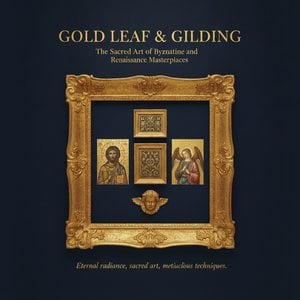
Explore the divine mastery of Byzantine gold leaf and gilding. Discover how ancient artisans used gold ground and mosaics to create celestial light, a timeless legacy of spiritual splendor and technical excellence in sacred art history.

Explore the profound beauty of ancient ruins through fine art history. Discover how masters like Pannini captured Roman grandeur, and learn how to bring this timeless architectural majesty into your home with museum-quality, hand-painted oil reproductions.

Elevate your hospitality projects with our expert trend forecast on luxury murals. From biophilic botanical jungles to opulent gold leaf geometry, discover how bespoke large-scale wall art and custom frescoes can transform hotel interiors into unforgettable architectural statements.

 設置イメージを確認
 送る
送る シェア
シェア
 詳細情報
詳細情報 ガイドを表示

 画像をダウンロード
 似ている作品
 X線調査
X線調査 スライドショー
 統計情報
統計情報

 続きを読む
続きを読む









 ガラスオプションは、110cm未満のサイズでのみご利用いただけます。


