

 Oil On CanvasWallArtPost-Impressionism
 1922
1922 61.0 x 41.0 cm
 Nottingham Castle Museum And Art Gallery
このページに掲載されている作品は著作権法によって保護されており、当社の許可なく同一の複製物を制作または販売することは法律で禁じられています。この保護は、以下のような国際条約に基づき執行されます。 ベルヌ条約 および、以下の条項に定められたものを含む各国の法律により、 米国著作権法 第17編。
この手法は、著作権で保護された作品の複製や複写を伴わないため、著作権法に完全に準拠しています。これは単なる模倣ではなく、創造的な再解釈です。元の作品からインスピレーションを受けつつも、それとは異なる、全く新しい絵画を生み出すものです。
スピーディーな制作と多彩な仕上げオプションが魅力の、ミュージアムクオリティなジークレー・キャンバスプリント。 ( 手描きの複製画を注文する デジタル画像販売へ切り替え)





























作品のオリジナル比率に合わせた、当店の規定サイズからお選びください。

特定のフレームやスペースに合わせて、ご自身でサイズを指定することも可能です。選択されたサイズが元の画像の比率と一致しない場合、作品をトリミングするか、鏡面反射または単色での塗りつぶしによって画像を拡張いたします。制作を開始する前に、ご確認用のデジタルモックアップをお送りいたします。
画面上のプレビューには、実際のトリミングや拡張は反映されませんのでご注意ください。最終的な構図を正確に確認できるのは、モックアップのみとなります。
カスタムサイズも承っておりますが、元の比率を維持するためには、あらかじめ用意されたリストからサイズを選択することをお勧めいたします。
Yvonne
複製画サイズ一覧
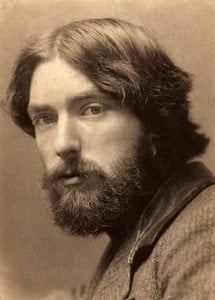
Augustus Edwin John, a name often associated with the bohemian spirit of late 19th and early 20th-century Wales, gifted us with a remarkable series of portraits that transcend mere likeness. His 1922 painting, "Yvonne," is not simply a depiction of a young woman; it’s an intimate study in observation, capturing a fleeting moment of contemplation and hinting at the complexities beneath a serene surface. The work resides within Nottingham City Museums & Galleries, offering a rare glimpse into John's evolving style and his profound ability to imbue his subjects with personality.
The composition immediately draws the eye to Yvonne’s face – rendered with an almost sculptural precision. John masterfully employs light and shadow to sculpt her features, emphasizing the delicate curve of her cheekbone, the subtle furrow of her brow, and the quiet intensity in her gaze. Her posture is relaxed yet alert, suggesting a thoughtful awareness of herself and the world around her. The muted brown background serves not as a distraction but rather as a deliberate framing device, intensifying the focus on Yvonne’s presence and drawing the viewer into her private space. The loose brushstrokes, characteristic of John's later work, create a sense of immediacy and movement, as if capturing a spontaneous expression.
“Yvonne” exemplifies John’s unique blend of realism and impressionism. He was deeply influenced by the Impressionists, particularly their focus on capturing fleeting moments of light and atmosphere. However, unlike many of his contemporaries who embraced pure Impressionism, John retained a strong grounding in traditional draughtsmanship. His meticulous attention to detail—particularly in the rendering of fabric and hair—is evident throughout the painting. The impasto technique – applying paint thickly to create texture – is particularly pronounced in Yvonne’s clothing, adding a tactile quality to the image and further enhancing its visual richness.
The color palette is restrained, dominated by earthy tones – browns, ochres, and subtle greens – which contribute to the painting's overall mood of quiet introspection. John skillfully uses variations in tone to create depth and volume, suggesting the folds of Yvonne’s dress and the contours of her face. The brushwork itself is dynamic and expressive, with visible strokes that convey a sense of energy and spontaneity. This combination of meticulous detail and loose brushwork is what gives “Yvonne” its distinctive character – a harmonious balance between observation and artistic interpretation.
To fully appreciate "Yvonne," it’s essential to understand the context in which John was working. Born in Tenby, Wales, he cultivated an unconventional lifestyle, embracing the bohemian spirit of the early 20th century. He spent his formative years studying at the Slade School of Fine Art in London but always maintained a strong connection to his Welsh roots and artistic community. John’s life was marked by both success and personal struggles – including a debilitating head injury sustained during a diving accident – which undoubtedly influenced his art, adding layers of complexity and emotional depth to his work.
The painting itself dates back to 1922, a period when John was at the height of his creative powers. He had established himself as one of Britain’s leading portrait painters, known for his psychologically astute depictions of women. “Yvonne” reflects this mastery, demonstrating his ability to capture not only physical likeness but also the inner life and emotional state of his subject.
While "Yvonne" appears outwardly serene, a closer examination reveals subtle symbolic elements. The woman’s gaze is direct and unwavering, suggesting a quiet strength and resilience. There's an undercurrent of melancholy in her expression, perhaps hinting at the challenges and uncertainties of life. The loose, flowing lines of her dress evoke a sense of movement and freedom, while the muted colors create a feeling of intimacy and privacy. John’s masterful use of light and shadow further enhances this emotional resonance, casting a gentle glow on Yvonne's face and inviting the viewer to contemplate her inner world.
Ultimately, “Yvonne” is more than just a portrait; it’s a meditation on beauty, introspection, and the complexities of human experience. It stands as a testament to Augustus Edwin John’s artistic vision and his ability to capture the essence of his subjects with remarkable sensitivity and insight.
「Yvonne」の明暗のコントラストはBoldと記録されています。コントラストとは、明るい部分と暗い部分がどの程度強く異なっているかを表す指標です。
オーガスタス・エドウィン・ジョン作「Yvonne」はPortraitの構図です。プリントサイズを選択する前に、縦横比をご確認いただくことをお勧めします。
「Yvonne」はコットンキャンバスまたはアーカイブ品質のキャンバスペーパーに施されたファインアートプリントとしてご購入いただけます。ご注文はこのページにて、お好みのサイズでお受けしております。
オーガスタス・エドウィン・ジョン作「Yvonne」に記録された情緒的なトーンはMelancholicです。これは、作品が表現している感情を要約したものです。
オーガスタス・エドウィン・ジョン作「Yvonne」の主色(メインカラー)はBlack (#1e1709)です。
オーガスタス・エドウィン・ジョン作「Yvonne」は、原寸で61 x 41 cmのPortraitによる作品です。
オーガスタス・エドウィン・ジョンによる「Yvonne」は、1922年に制作されました。
「Yvonne」は、Post-Impressionismの作品です。この様式は、その作品が属する芸術的伝統を示しています。

1878 - 1961 , アメリカ合衆国

Unveil the profound revolution of Post-Impressionism. Explore how masters like Van Gogh and Cézanne utilized bold colors and emotional depth to transcend mere representation, laying the foundation for modern art. A sophisticated journey through history's most emotive brushstrokes.

Explore the transformative era of Post-Impressionism. Discover how masters like Cézanne and Matisse revolutionized color and form, moving beyond Impressionism to shape modern art history through structural innovation and expressive emotion.

印象派と後期印象派の決定的な違いを、光と色彩、そして感情の変遷から紐解くマスタークラス。モネやルノワールが捉えた「一瞬の光」から、ゴッホらが追求した「内なる情熱」まで、美術史の革命を専門家が解説します。WahooArtでは、巨匠たちの息吹を感じる高品質な手描き油彩複製画をご提供。あなたの空間に、美術館級のエレガンスと本物の芸術体験をお届けします。

Explore the vibrant evolution of Post-Impressionism. From Seurat's revolutionary Pointillism to the emotional depth of masters, discover how this movement redefined modern art history through color, structure, and unparalleled creative expression.

 設置イメージを確認
 送る
送る シェア
シェア
 詳細情報
詳細情報 ガイドを表示

 画像をダウンロード
 似ている作品
 X線調査
X線調査 スライドショー
 統計情報
統計情報 続きを読む
続きを読む









 ガラスオプションは、110cm未満のサイズでのみご利用いただけます。


