

スピーディーな制作と多彩な仕上げオプションが魅力の、ミュージアムクオリティなジークレー・キャンバスプリント。 ( 手描きの複製画を注文する デジタル画像販売へ切り替え)





























作品のオリジナル比率に合わせた、当店の規定サイズからお選びください。

額縁や壁のスペースに合わせて、ご希望の幅と高さを入力してください。プリントはカットすることは可能ですが、元の画像より大きくすることはできないため、異なる比率のサイズを選択された場合は、画像の一部が欠けることになります。印刷を開始する前に、内容を確認していただくためのデジタルモックアップをお送りいたします。このページに表示されている画像は、実際のカット後の状態を示すものではありません。実際の仕上がりはモックアップにてご確認ください。
クレデンザ
複製画サイズ一覧
「クレデンザ」では、エレガントなムードに穏やかな感情が添えられています。
August Bémbe Workshop作「クレデンザ」は、キャンバスにアクリル絵具の技法とImpressionistic Decorationの様式を融合させた作品です。技法(テクニック)は制作手法を、様式(ムーブメント)はその作品のスタイルを表しています。
August Bémbe Workshop作「クレデンザ」は、作品のダウンロードページから高解像度デジタル画像のダウンロードとしてダウンロードいただけます。

The August Bémbe Workshop represents a profound chapter in the history of German decorative arts, embodying a period where craftsmanship and aesthetic intention merged to create objects of lasting beauty. Rooted in the traditions of Düsseldorf, Germany, this workshop was more than a mere production site; it was a sanctuary of meticulous artistry that flourished during the 19th century. The work emerging from this studio reflects the sophisticated sensibilities of its era, blending functional necessity with a deep-seated commitment to the decorative excellence that defined German craftsmanship.
The workshop's output is characterized by an extraordinary attention to detail and a mastery of traditional techniques. One of the most notable expressions of this skill can be seen in pieces such as the Credenza, which showcases the workshop's ability to elevate furniture into the realm of fine art. Through the use of precise carving—utilizing tools like chisels and gouges—the artisans were able to transform durable materials like oak into intricate tapestries of flora. The surfaces of their creations often featured a delicate arrangement of roses, lilies, and ferns, executed with such precision that they achieved a remarkable sense of depth and realism.
The creative spirit of the August Bémbe Workshop was deeply intertwined with the burgeoning Romantic movement. This era, which championed emotion, imagination, and an idealized connection to the natural world, found a perfect medium in the workshop's decorative programs. The floral motifs used by the artisans were not merely ornamental; they served as symbolic windows into the Romantic soul, representing notions of purity, beauty, and fertility. By integrating these natural elements into functional objects, the workshop helped foster a sense of harmony between the domestic environment and the wilder, spiritual essence of nature.
Beyond the botanical imagery, the work of the workshop often incorporated subtle symbolic resonances that invited contemplation. The careful arrangement of their pieces suggested an underlying philosophy of order and refinement, where even a functional item for storing linens could serve as a vessel for domestic tranquility. This ability to imbue everyday objects with emotional weight and historical significance is what distinguishes the August Bémbe Workshop from standard decorative producers of the time, marking them as true contributors to the cultural landscape of the 19th century.

1840 - 1913 , Germany

Master the nuances of three-dimensional art with our expert guide. Explore sculptural history, from Phidias to Neoclassicism, and learn to evaluate materiality, form, and technique like a true connoisseur. Elevate your collection with profound insights into the world of sculpture.

Discover the breathtaking allure of Art Deco. Explore the era's iconic geometry, legendary designers like Erté, and timeless glamour. Perfect for discerning collectors seeking to infuse their spaces with sophisticated modernist elegance and historical prestige.
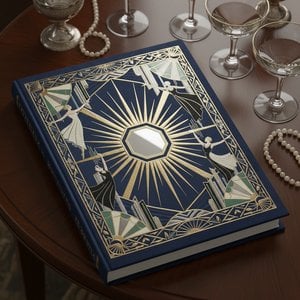
Discover the allure of Art Deco through a curated guide to its most iconic masterpieces. Explore the elegance of Erté and the innovation of Jean Dunand, perfect for collectors seeking timeless glamour and sophisticated design inspiration.

Transform cherished photos into breathtaking 3D sculptures and marble busts with WahooArt AI. Experience the pinnacle of luxury art commissions, blending cutting-edge technology with classical mastery to create timeless, museum-quality heirlooms for your private collection.

Explore the refined world of Neoclassical portraiture. Discover the mastery of line, light, and order through an expert exploration of academic art history, from Jacques-Louis David to Jean-Antoine Houdon. Immerse yourself in the timeless elegance of classical realism.

 設置イメージを確認
 送る
送る シェア
シェア
 詳細情報
詳細情報 ガイドを表示

 画像をダウンロード
 似ている作品
 X線調査
X線調査 スライドショー
 統計情報
統計情報


 続きを読む
続きを読む









 ガラスオプションは、110cm未満のサイズでのみご利用いただけます。


